
Update Search
Categories
Series
Date
Update Search
Categories
Series
Date
51 - 73 of 73 items
Sort By

Publisher : STAR SCHOLARS PRESS
Published : August 11, 2025
This volume brings together global case studies, innovative curricula, and collaborative strategies that equip students for today’s interconnected economy. This volume explores how community colleges and similar institutions integrate enduring skills, technology, and experiential learning to prepare graduates for career success. Highlighting models from diverse regions, it offers adaptable approaches for educators, policymakers, and industry leaders committed to building a skilled and globally competent workforce.
Edited by Robin Matross Helms & Krishna Bista
How to cite:
Helms, R. M., & Bista, K. (Eds.). (2025). Preparing a global workforce: Curriculum design and learning outcomes . Association of Community College Trustees & STAR Scholars Press.
Download eBook Here
Publisher : STAR SCHOLARS PRESS
Published : January 30, 2026
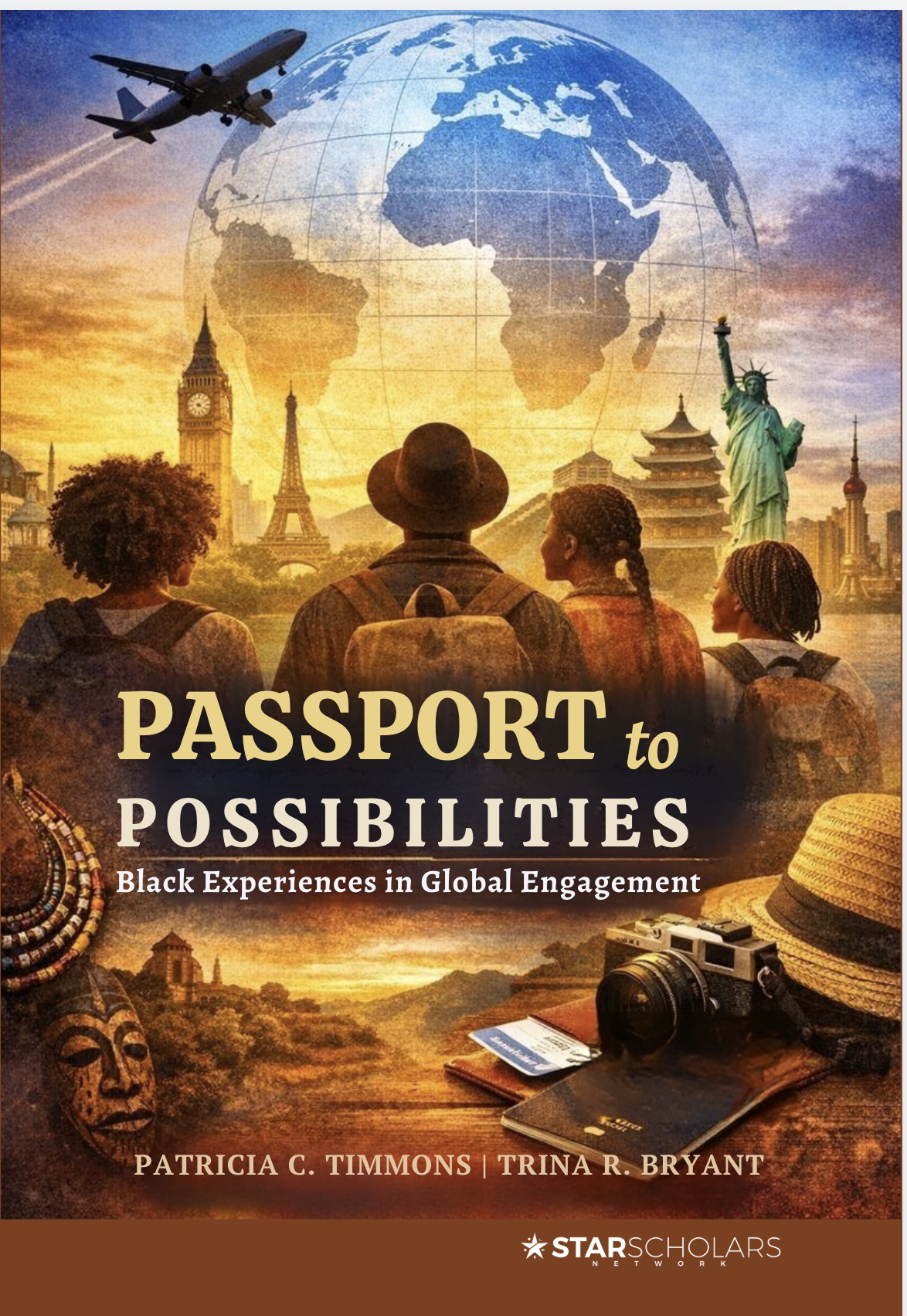
Passport to Possibilities: Black Experiences in Global Engagement brings together reflections from thirteen Black contributors across the globe, including Black students, faculty, staff, educators, and professionals based in the United States, Canada, Germany, and South Africa, offering powerful insights into what it means to be Black and abroad. Through research, storytelling, and critical reflection, the book centers Black experiences in global education, challenging long-standing assumptions about who participates in international learning and why it matters. Each chapter presents a deeply personal narrative that explores the intersections of race, identity, belonging, access, and mobility within global contexts. The contributors reveal both the challenges and transformative potential of international engagement, framing global learning as a pathway to personal empowerment and social justice. The book calls for a reimagined global education field—one where Black voices, leadership, and lived experiences are essential to creating more inclusive, equitable, and transformative forms of global mobility.
Editors Patricia C. Timmons, Harvard Kennedy School Trina R. Bryant, Suffolk University
Table of Contents
1. Bridging the Gap: Black Students’ Experiences in Global Mobility Programs at U.S. Community Colleges
2. Improving Access & Engagement: Black Lives in Global Spaces
3. Neurodivergence and Study Abroad: Strategies to Create Inclusive Opportunities for Neurodivergent Students
4. Reshaping Identity and Finding Belonging in the Global Community
5. Teaching With the Ancestors’ Compass: An Endarkened Journey Through Global Classrooms
6. Navigating the Grey Area of Studying Abroad While Black
7. Becoming A Scholar: Resilience, Community, and the Journey to Study Abroad
8. Voices From the South: Reflections from Black, Southern Female Scholars Breaking Myths and Charting New Territory Abroad
9. A Tale of Two Cities: Hospitality and Discovery
10. Likkle But Tallawah: A Black Jamaican Woman's Journey Through Student Affairs in the Us and the Middle East
11. Traveling While Black: Reimagining Mobility and Self-Image
12. Becoming American in Japan: A Black Woman’s Reflection On Identity and Belonging in Japan
13. Leaping the Boundaries of Access: A Reflexive Account of Black Caribbean Mobility Through Japan’s Jet Program
14. The Proof and the Promise: Reclaiming History, Belonging, and Joy
Publisher : STAR SCHOLARS PRESS
Published : September 4, 2025
This book offers a practical and research-informed foundation for future community college leaders navigating the evolving digital landscape. Centered on the integration of educational technology into institutional planning, pedagogy, student success, and leadership, the book guides readers in critically evaluating digital tools, designing inclusive solutions, and anticipating emerging trends such as generative AI, cybersecurity, and equity-driven innovation. Blending theory, case studies, and reflective practice, this book equips doctoral students and practitioners with the skills needed to lead transformation in community colleges through ethical and strategic use of technology.
Order your hardcopies
"This book is a vital resource for community college leaders, offering practical strategies to navigate technological change while prioritizing equitable student success. Its concise, actionable insights make it essential for shaping inclusive and innovative educational environments."
— Lance D. Bowen, PhD, Dean, School of Science, Technology & Education, Anne Arundel Community College, Maryland
"A timely and transformative contribution, this book illuminates how community colleges can embrace digital innovation while staying true to their mission of access and equity. It is both practical and visionary, offering strategies that leaders, faculty, and staff can immediately apply to strengthen student success in a rapidly evolving landscape."
— Roshelle Lemon-Howard, EdD, MSN, RN, Assistant Professor & Coordinator, Practical Nursing Certificate Program, Baltimore City Community College
"This book provides an authentic look into the challenges and opportunities within community colleges. It highlights innovative practices that empower faculty and future educators, making it an invaluable guide for those committed to student success and educational equity."
— Melenese Sivells, EdD, Professor of Education, Northampton Community College
"This book powerfully demonstrates how community college leaders can harness AI to drive innovation while keeping equity at the center of decision-making. It is an essential guide for faculty and program directors preparing students—and institutions—for the future of higher education." — Huong Nguyen, EdD, Program Director, Montgomery College
“As a community college administrator, I found this book an invaluable guide that bridges innovation with access, showing how AI can be leveraged to enhance equity, efficiency, and student achievement.”
— Lesley Shotts, EdD, Dean of Institutional Effectiveness, Grants, and Research / Title III Administrator / Accreditation Liaison, Drake State Community & Technical College
Publisher : STAR SCHOLARS PRESS
Published : October 5, 2024
This book examines the international student question by utilizing a holistic and multi-faceted approach to understanding not only the influence of socialization on the international student experience but also presents a historical background to international student contact; the influence of globalization and student mobility; U.S. international student enrollment trends; exploration of research on socialization; socialization theory/theoretical framework; an annotated bibliography of research on socialization/acculturation. This book contributes to the discourse on international student socialization. It is geared toward enriching international student socialization experiences and informing higher education policies and practices to serve better and service international students.
Author
Emmanuel E. Akanwa teaches Reading, English, and Language Arts at Frederick Douglass High School, Upper Marlboro, Maryland, U.S.A. Dr. Akanwa was formerly a fixed-term faculty at Central Michigan University and an adjunct professor of English at Mid-Michigan Community College.
Download ebook (complimentary) or order print copies on Amazon and Barnes & Noble | Related books here
How to cite this book:
Akanwa, E. E. (2024). International student socialization . Star Scholars Press. https://doi.org/10.32674/1kqb8x16
Publisher : STAR SCHOLARS PRESS
Published : May 13, 2024
The rise of artificial intelligence (AI) tools based on advanced language models, such as ChatGPT and Bard, is transforming industries and professions worldwide, and higher education is no exception. ChatGPT, an AI-powered chatbot developed by OpenAI, has created a substantial amount of conversation and controversy across academia regarding what generative AI means for teaching and learning in the classroom. There is plenty of speculation not only about how those innovations will affect the academic profession but also what unique opportunities and challenges they present to global higher education. In this book, authors delve into the impact of AI and ChatGPT on higher education leadership and management, examining potential opportunities and challenges that this innovative technology presents to teaching, research, program, and policy.
The primary purpose of this volume is to provide a comprehensive, research-driven analysis of AI chatbots’ roles in shaping institutions of higher education around the world. By exploring the transformative potential of ChatGPT in academic settings, this timely book aims to bridge the gap between technological innovation and its practical applications. In the long run, we anticipate that this volume will provide valuable insights and guidance for teacher-scholars, university administrators, and policymakers on leveraging this cutting-edge technology effectively and responsibly.
Edited By Xi Lin, Roy. Y Chan, Shyam Sharma, Krishna Bista
OPEN ACCESS BOOK Creative Commons License | CC BY-NC-ND Open access editions of this book can be accessed here This book is published as an open-access publication by STAR Scholars Press. The digital edition of this book is freely available to readers worldwide and may be accessed, downloaded, and shared without charge through the publisher’s website and scholarly discovery platforms.
Order hard copies | Open Access Book (free)
Table of Contents
Prologue Keeping the Human (Educator) in the Loop Matthew Salzano
Chapter 1
The Impact of Artificial Intelligence (AI) on Global Higher Education: Opportunities and Challenges of Using ChatGPT and Generative AI Xi Lin, Roy Y. Chan, and Shyam Sharma
UNIT 1
The Use of ChatGPT and AI in Global Higher Education: A Historical View of Current Innovations
Chapter 2 Considering the History of Technologies in Education, the Distinctiveness of AI Apps, and the Future of Educational Systems Kenneth J. Luterbach
Chapter 3 The Influence of ChatGPT on Student Learning Outcomes in Higher Education: A Meta-Analysis of the Initial Empirical Literature Yankun He and Leslie Cordie
Chapter 4 The Evolution of Technology in Education and the Emerging Role of Generative AI Abdulrahman Alsharif
Chapter 5 ChatGPT as a Pedagogical Tool for Decolonizing Curriculum Bhavika Sicka
UNIT 2
Effective Practices and Standards of ChatGPT Use: Lessons Learned and Recommendations for Colleges and Universities
Chapter 6 Transforming STEM Education: Leveraging ChatGPT for Enhanced Learning in Psychology and Neuroscience Lingfei Luan, Xi Lin, Yan Dai, Laura Allen, and Shanhua Hu
Chapter 7 Hearing Students’ Voices: Access, Use Patterns, and Attitudes toward Generative AI Technologies among Chinese Students Ling Angela Xia, Olivia Yiqun Sun, and Charlie Reis
Chapter 8 Using ChatGPT to Improve Access, Inclusion, and Equity in and Through English-Medium Instruction in Higher Education Thatcher A. Spero
Chapter 9 A Comparative Study of ChatGPT and Seq2Seq Chatbot for Effective Student Advising Suha Khalil Assayed, Manar Alkhatib, and Khaled Shaalan
UNIT 3
Policy Implications and Ethical Considerations: Assessment and Accountability in Higher Education
Chapter 10 Generative Creations, Code, and Data: How Intellectual Property Rights over Ownership, Use, and Image Apply to Higher Education Jeffrey C. Sun
Chapter 11 ChatGPT and Research Ethics Lisa M. Rubin
Chapter 12 ChatGPT on Student Learning Outcomes in Higher Education: A Meta-Analysis of Early Studies Bo Zhang
Chapter 13 Rethinking Assessment and Feedback: Adapting Evaluation Methods for the Age of Artificial Intelligence Allen Farina
Chapter 14 Artificial Intelligence in Undergraduate Assignments: An Exploration of the Effectiveness and Ethics of ChatGPT in Academic Work Luke Parker, Christopher W. Carter, Alice Karakas, A. Jane Loper, and Ahmad Sokkar
UNIT 4
Current Issues and Future Concerns about Teaching and Learning
Chapter 15 Communities of Practice and Preservice Teachers in the Rise of the Artificial Intelligence Era: ChatGPT as a Method of Inquiry and Reflection Gabriela Mocanu
Chapter 16 Unlocking the Promise of AI: Exploring the Crucial Role of Faculty Members’ Growth Mindset, Self-Efficacy, and University AI Policies: A Study at Vietnam National University, Hanoi Kim Manh Tuan, Pham Van Thuan, Duong Thi Hoang Yen, and Nguyen Phuong Huyen
Chapter 17 Creating Context-Specific Critical Incidents with ChatGPT for Effective Soft Skill Training Stephan Ruppert
Chapter 18 Applications of ChatGPT in Work-Based Learning Programs: Opportunities, Challenges, and Ethical Considerations Hon Jie Teo
Series : Volume 1
Publisher : STAR SCHOLARS PRESS
Published : August 29, 2025
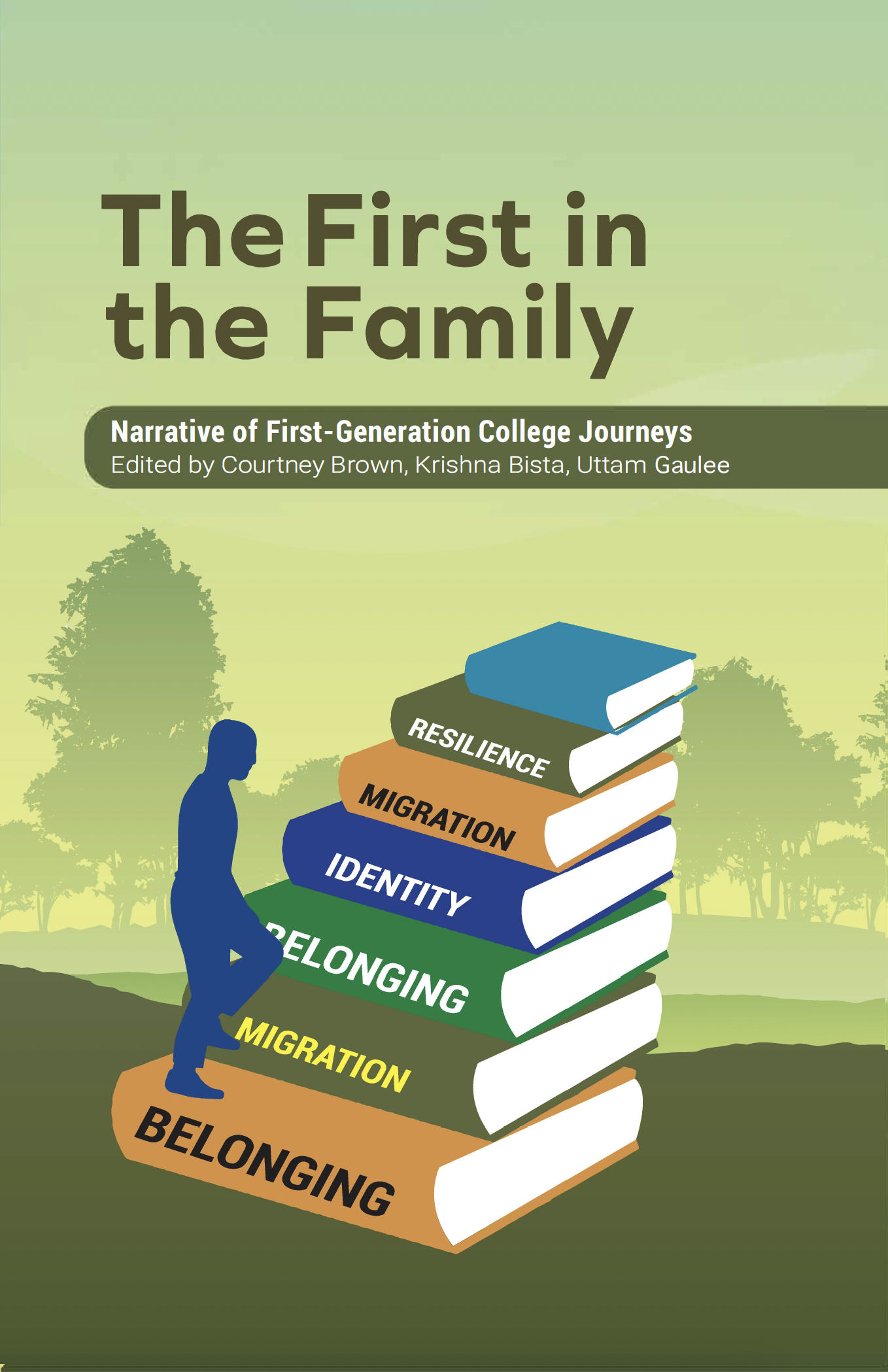
First in the Family is a compelling anthology that amplifies the voices of first-generation college students and scholars from around the world. This volume captures deeply personal narratives shaped by resilience, identity, migration, and mentorship. Across diverse contexts—from remote villages to prestigious global universities—contributors share their experiences navigating systemic barriers and cultural expectations to achieve academic success. These transformative stories not only honor the legacy of first-generation learners but also serve as a powerful call for inclusive practices that empower future generations.
OPEN ACCESS BOOK | CC BY-NC-ND Open access editions of this book can be accessed here . The open access edition of this book is freely available to readers worldwide and may be accessed, downloaded, and shared without charge through the publisher’s website and scholarly discovery platforms.
Available as Paperback | Hardcover | Open-Access
Praise for this book This book reminds us that transformation in higher education often begins in places we least expect, and with people too often overlooked. George F. Kacenga, PhD, Vice President of Enrollment Management, William Paterson University of New Jersey, USA
As the first in my family to earn a Ph.D. through my own hard work and determination, I can attest that this volume serves as a compelling blueprint for institutions committed to empowering individuals who are not only the first in their families—but the first to lead with courage and conviction. Jing Luán, PhD, Governing Board Member, MISK Schools, Provost Emeritus An inspiring narrative emphasizing the need for democratizing access to higher education across cultures, while advocating for the need for more inclusive academic spaces. Pankaj Mittal, PhD, Secretary General of the Association of Indian Universities and Former Vice Chancellor of Bhagat Phool Singh Women's University, India
A priceless compass for educators, First in the Family charts the paths of their students' transformative journeys of discovery and perseverance, illuminating the way for them to overcome obstacles, transcend borders, and realize their dreams. Elena de Prada Creo, PhD, Vice Dean for International Affairs, Facultad de Relaciones Internacionales, Campus Universitario, Spain.
These powerful narratives beautifully capture how intercultural growth and academic resilience converge in the lives of first-generation learners, challenging racism, gender bias, and structural inequality. A moving testament to transformation, resistance, and intergenerational commitment. Sarah Carrica-Ochoa, Profesora Titular, Facultad de Educación y Psicología, Universidad de Naarra, Spain
A moving tribute to the grit and grace of first-generation scholars—this anthology is both an inspiration and a blueprint for a more inclusive academy. Pankhuri Aggarwal, PhD,Assistant Professor, Department of Psychology, University of Cincinnati, USA
A powerful collection of stories from diverse first-generation scholars, highlighting their struggles, resilience, and the vital role of support systems in achieving academic and personal success. Siu-Man "Raymond" Ting, PhD, Professor, Director of Graduate Programs, NC State University, USA As a rural education advocate, this book is a valuable resource for academic praxis and serves as a compass to guide young scholars in promoting social justice. Arlyne C Marasigan, PhD, Professor, College of Advanced Studies, Philippine Normal University, Manila, Philippines This volume situates the voices of first-generation university graduates in their own unique personal contexts and provides insight into the breadth of pathways that these graduates take to earn their degrees. As a first-gen graduate myself, the stories resonated, and will for others who are seeking guidance on how to be successful in this important life journey. Shannon N. Davis, PhD, Associate Dean for Faculty and Academic Affairs, George Mason University, Korea

Publisher : STAR SCHOLARS PRESS
Published : July 15, 2024
Based on their personal experiences spanning various facets of the international student life cycle in the U.S., the authors of the book “ Navigating the ‘American Dream’ ” recognized the pressing need for a resource that goes beyond and above, offering comprehensive information, resources, and practical tips. Unlike existing publications, this book is a trailblazer, covering the entire spectrum of international students’ educational journey in the U.S., providing essential insights, resources, and strategies to address students’ diverse needs.
Authors
Bo Zhang University of Hartford, USA Emmah Muema University of Nebraska-Lincoln, USA Shenhaye Ferguson University of Denver, USA Rachel Kamnkhwani University of Denver, USA Luke Parker University of Kansas, USA Candice Peters Appalachian State University, USA
Order digital copies | Kindle eBook | Print Copies
Series : Vol 1
Publisher : STAR SCHOLARS PRESS
Published : September 4, 2025
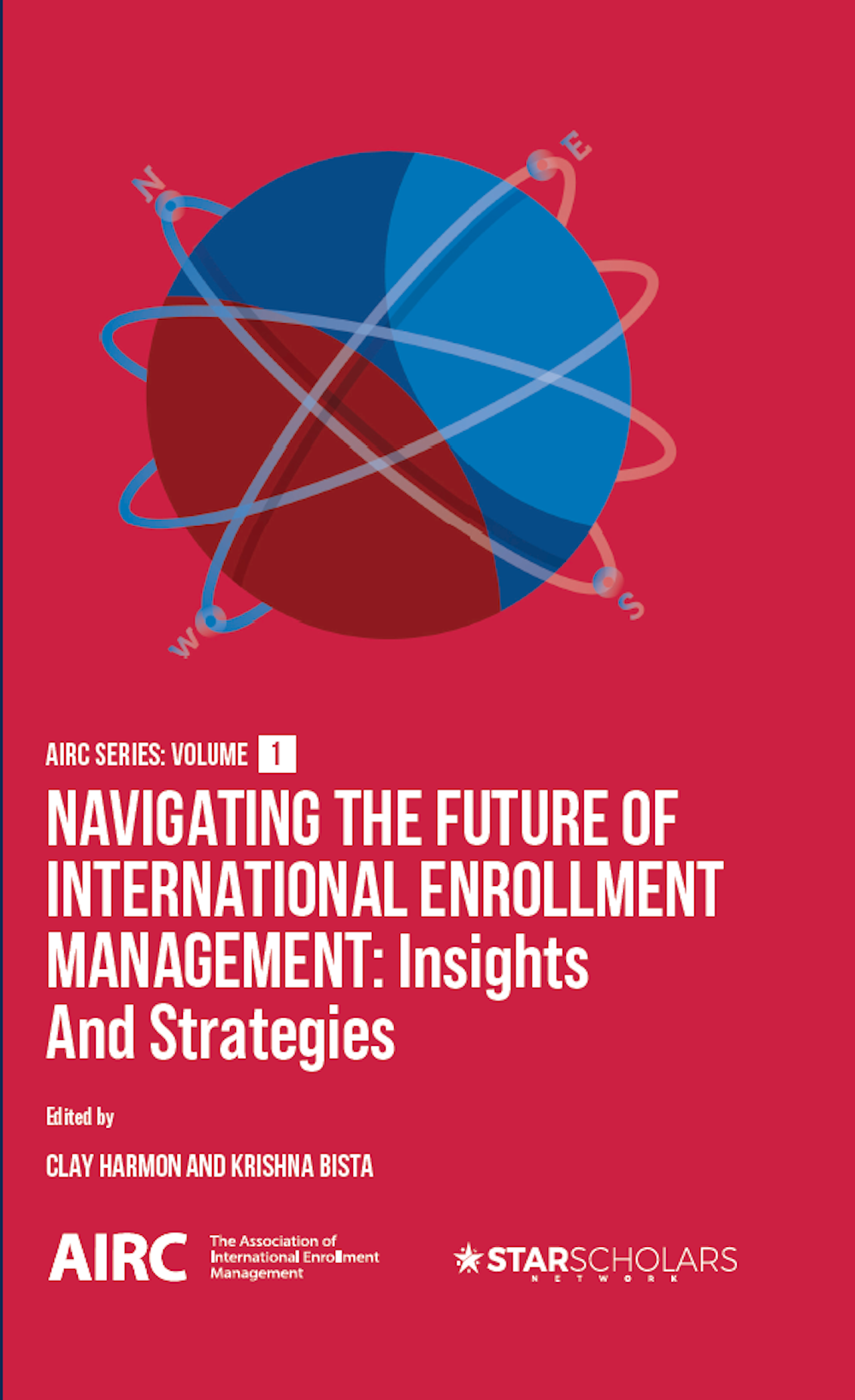
This scholarly volume examines the shifting dynamics of international student enrollment within an increasingly complex global higher education. Drawing on contributions from experienced practitioners and researchers, this work addresses critical themes, including international branch campuses, transnational education models, data-informed decision-making, student success, and institutional transformation. Through evidence-based analysis and case studies from diverse contexts, the book offers actionable strategies for fostering ethical, inclusive, and sustainable enrollment management practices. It serves as an essential reference for higher education leaders, enrollment professionals, and policymakers committed to advancing global engagement in a time of rapid change.
Editors Clay Harmon and Krishna Bista
OPEN ACCESS BOOK | CC BY-NC-ND Open access editions of this book can be accessed here. The open access edition of this book is freely available to readers worldwide and may be accessed, downloaded, and shared without charge through the publisher’s website and scholarly discovery platforms.
Order Print Copies: Hardcover | Paperback | Open Access Book (free)
A compelling framework that transforms international enrollment from a complex challenge into a strategic opportunity for global academic excellence. Thomas Tinnefeld, PhD Professor of Applied Languages, Saarland University of Applied Sciences, Germany A valuable resource for higher education administrators and scholars. John D Branch, PhD, EdD Professor of Business Administration, University of Michigan, USA An essential resource offering innovative strategies and crucial insights for education leaders navigating international enrollment in today's rapidly evolving global landscape. Chunipha Poedloknimit, PhD Lecturer, Department of Public Administration, Western University, Thailand A rich collection of perspectives that deepens our understanding of how to create supportive and globally connected learning environments for international students. Lu Lu, PhD Beijing Language and Culture University, China In a rapidly changing world, Navigating the Future of International Enrollment offers both clarity and vision for building more inclusive, resilient, and globally engaged campuses. Drawing on diverse voices and practical experience, it inspires educators and policymakers to reimagine internationalization for the future. Thatcher A. Spero, PhD Professor of Education, Musashino University, Japan
With clarity and vision, the authors provide timely strategies that will guide institutions in navigating the evolving global enrollment landscape and highlight the central role of student success and well-being. Praveen Kumar Rudra, PhD Assistant Professor, University of Nebraska at Omaha, NE, USA
A thought-provoking volume that empowers education leaders to embrace diversity and innovation in global enrollment strategies. Sirirat Na Ranong, PhD, Assistant Professor, Faculty of Liberal Arts, Thammasat University, Thailand
Contents
Introduction
Navigating the Future of International Enrollment Management
Chapter 1
Rethinking International Enrollment Management: Looking Inward to Support a Global Perspective
Chapter 2
International Branch Campuses and U.S. Universities: Global Enrollment Opportunities in a Changing World
Chapter 3
Transforming Business Education: A Management Information System as a Major in STEM to Attract International Talent
Chapter 4
A World Unbound: The Fusion of Trends Redefining International Education
Chapter 5
Using Data Wisely for International Enrollment Management
Chapter 6
From Home to Host: Challenges and Resilience in Cross-Cultural Transition
Chapter 7
Managing International Academic Collaboration in a Turbulent World: Swedish Perspectives
Chapter 8
Intentional Enrollment Management: A Scalable Approach to Student Success and Institutional Transformation
Chapter 9
A Niche in Transnational Higher Education: The Microcampus Model of the University of Arizona
Chapter 10
From Recruitment to Graduation: A Comprehensive Approach to International Enrollment Management

Publisher : STAR SCHOLARS PRESS
Published : March 22, 2024
This book of abstracts based on the 2023 STAR Global Conference on the theme of "Transformative Education for an Interconnected and Equitable World" is a seminal volume featuring an array of scholarly presentations that dissect the evolving landscape of global education. The collection traverses a multitude of perspectives, from the intricacies of fostering digital competencies and tackling the ethics of scientific research to implementing internationalization with a spirit of reciprocity and cultivating transformational creativity in educational practices. It spotlights technological advancements through systematic reviews of gamified learning, virtual intercultural dialogues, and the arts' role in nurturing critical citizenship. It also offers a forward-looking approach to online learning and linguistically-driven AI innovations in India.
Publisher : STAR SCHOLARS PRESS
Published : December 20, 2023
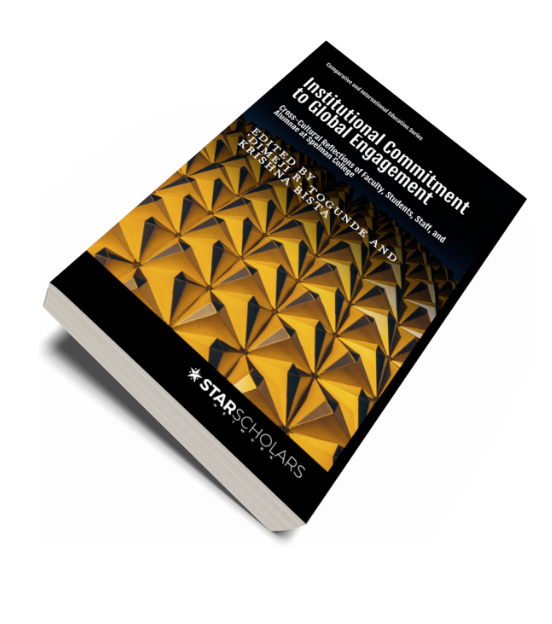
This book is a testimony of Spelman College’s commitment to global citizenship, documenting cross-cultural and international experiences and reflections of domestic students who studied abroad, international students’ experiences, Alumnae who studied abroad or have lived abroad and faculty and staff who have lived abroad or led students abroad. This book distinctively reveals life stories of global engagements that no one else could tell but the contributors who bring life experiences through their international visits. Through a well-curated and engaging collection of narrative stories, this book captures the richness that comes from crossing boundaries, understanding cultural differences, and embracing the knowledge that comes from encounters with disparate perspectives.
Editors
‘Dimeji R. Togunde, Ph.D. Vice Provost for Global Education & Professor of International Studies, Spelman College, Atlanta, Georgia, USA
Krishna Bista, Ed.D. Professor of Higher Education, Morgan State University, Maryland, USA
Print and digital copies are available.

Publisher : STAR SCHOLARS PRESS
Published : November 10, 2023
Leaders Who Inspire: Stories of Foreign-Born University Presidents is a captivating book that introduces young readers to the remarkable stories of foreign-born college and university presidents. Through engaging narratives, readers will discover the inspiring journeys of leaders like Shirley M. Tilghman, Ángel Cabrera, A. Gabriel Esteban, and Renu Khator, who have made a significant impact on education in the United States.The book highlights the importance of diversity and inclusivity in educational institutions, showing how these leaders have transformed their campuses into welcoming spaces for students from all backgrounds. Readers will learn about the challenges these leaders faced, their unwavering determination, and their passion for empowering students to succeed.
Leaders Who Inspire celebrates the power of education and the strength that comes from embracing diversity. It encourages readers to believe in themselves, pursue their dreams, and make a positive impact in their own lives and communities.
Order hardcopies here

Publisher : STAR SCHOLARS PRESS
Published : April 9, 2023
" Success Stories: Inspiring People on the Autism Spectrum and Cerebral Palsy " is a collection of inspiring stories of individuals who have overcome challenges associated with autism spectrum disorder (ASD) and cerebral palsy (CP). This book features ten compelling stories of people who have achieved success in their personal and professional lives despite their conditions. It includes some famous people who are believed to have autism or cerebral palsy and how their conditions have shaped their lives and careers. These stories are diverse and showcase the wide range of challenges and strengths of individuals with these conditions. They highlight the importance of support, self-awareness, and resilience in overcoming challenges and achieving personal and professional success. They demonstrate that despite their challenges, individuals with these conditions can live fulfilling lives and achieve their goals.
Cover Design: Sahar Aghasafari
Order your copy here
Publisher : STAR SCHOLARS PRESS
Published : August 6, 2026
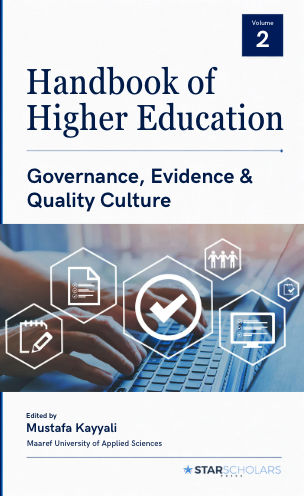
This volume explores governance not as a distant administrative machinery, but as the lived architecture through which universities decide, justify, improve, and sometimes resist change. It brings together discussions of evidence-based decision-making, institutional accountability, quality assurance, leadership, accreditation, and academic culture. The central concern is not merely whether universities collect evidence, but whether they know how to listen to it wisely. Across its chapters, the volume argues that quality culture cannot be manufactured through forms and audits alone; it grows through trust, participation, intellectual honesty, and the patient alignment of institutional purpose with everyday academic practice.
Publisher : STAR SCHOLARS PRESS
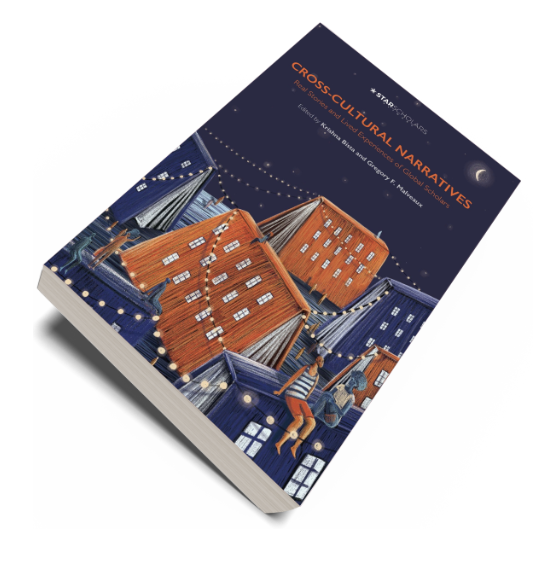
Published : September 4, 2022
This book provides an essential forum—giving primary voice to a group not often heard—for international students to share their unique experiences, trials, triumphs, and paths of acculturation in US higher education. In their own words and experiences, they detail how their world touches our American campus communities and academic settings. Filled with pathos, their narratives are steeped in angst and triumph, disappointment and humor, and loss and eventual victory. Selected international student narratives for this book bring a non-western perspective that allows for anyone involved in US higher education to gain increased insights into how we serve our students. This work contains 28 narratives written by international students and scholars from around the world. This book is a unique resource for faculty, students, and administrators interested in learning more about the lived experiences of international students and scholars.
EDITORS
Krishna Bista, EdD, is a Professor of Higher Education in the Department of Advanced Studies, Leadership and Policy at Morgan State University School of Education and Urban Studies, Maryland. https://orcid.org/0000-0001-7893-8275
Gregory F. Malveaux, PhD, is a Professor in the Department of English and Literature and is the College-wide Coordinator of Study Abroad and International Education at Montgomery College, Maryland. https://orcid.org/0000-0002-2456-6581
Hardcopies available
Publisher : STAR SCHOLARS PRESS
Published : August 9, 2026
This volume examines the transformation of higher education through smart university models, digital learning, artificial intelligence, and administrative innovation. Twelve chapters connect global collaboration, adaptive learning in sports education, responsible AI feedback, decentralized and hybrid pedagogy, institutional digital transformation, faculty role change, student online experiences, academic quality, teaching capital, and AI-driven university administration. The contributors combine conceptual reviews, empirical cases, governance analysis, and practice-oriented frameworks from diverse geographic and institutional contexts. Rather than treating smartness as a collection of technologies, the volume asks how universities can integrate data, automation, learning platforms, and intelligent systems while protecting equity, trust, privacy, and professional judgment. It highlights student experience and faculty capability as critical tests of whether digital transformation creates genuine educational value. Intended for researchers, university leaders, faculty, quality assurance professionals, policymakers, administrators, IT teams, and graduate students, the volume argues that smart universities must be designed as humane, accountable, and continuously learning institutions.
Series : 6
Publisher : STAR SCHOLARS PRESS
Published : August 9, 2026
This volume examines how artificial intelligence, automation, blockchain, and data-informed governance are changing decision-making in higher education. Ten chapters move from academic credentials and learning records to educator roles in open and distance learning, university digital transformation strategies, faculty capability development, smart teaching governance, AI-supported teaching tools, disability inclusion, and digital-age policy. Contributions from multiple national and institutional contexts combine conceptual analysis, case comparison, technical architectures, and practical institutional recommendations. A central concern is how universities can use intelligent systems to improve efficiency, trust, access, and responsiveness while preserving professional judgment, transparency, privacy, and human responsibility. The volume treats faculty development and inclusion as essential parts of technological transformation rather than secondary implementation issues. Intended for researchers, university leaders, faculty developers, quality assurance professionals, policymakers, IT teams, and graduate students, it argues that decision intelligence becomes educationally valuable only when automation is governed ethically, interpreted critically, and aligned with institutional learning.
Series : 1
Publisher : STAR SCHOLARS PRESS
Published : August 9, 2026
This volume examines how digital learning, analytics, and student success systems are quietly rewriting the inner grammar of higher education. It looks beyond platforms as tools and asks what happens when learning becomes traceable, adaptive, and continuously interpreted through data. The chapters explore online and hybrid learning, predictive analytics, advising systems, student engagement, retention, and the ethical use of educational data. At its core, the volume asks a difficult question: can institutions use digital intelligence to support students without reducing them to dashboards? The answer, unsurprisingly, is complex, hopeful, and sometimes unsettling.

Publisher : STAR SCHOLARS PRESS
Published : August 9, 2026
This edited volume, Advancing Local Knowledge for a Brighter and Sustainable Future, foregrounds the importance of local knowledge as a vital source of insight for addressing global educational, cultural, technological, social, and sustainability challenges. While locally grounded knowledge is often rich in context and practical relevance, its broader impact depends on its visibility within international scholarly conversations. This volume responds to that need by providing a multilingual, interdisciplinary, and globally engaged platform for knowledge exchange. Contributions explore themes related to education, intercultural communication, cultural diplomacy, governance, sustainability, language, technology, and leadership. Together, the chapters demonstrate how locally produced scholarship can inform global understanding, strengthen academic collaboration, and support a more inclusive and sustainable future. The volume is intended for scholars, educators, institutional leaders, policymakers, and practitioners interested in advancing equitable knowledge production and global academic engagement.

Publisher : STAR SCHOLARS PRESS
Published : May 20, 2022
This book presents students’ reflections on their intercultural student experiences, and utilizing the UNESCO Story Circle methodology, illustrates how such reflection can aid the development of intercultural competence (IC).
The volume features a broad range of first-person narratives that showcase the diversity of student experience encountered whilst studying abroad in a variety of cultural and institutional settings. Engaging with issues in relation to identity negotiation, stereotypes, cultural difference, and communities of support, the text demonstrates application of the UNESCO Story Circle approach in developing IC. Further, vignettes are analyzed and guiding questions are offered to structure readers’ reflection and discussion to facilitate further honing of intercultural competencies. The volume promotes IC amongst individual educators, trainers, international students, and community members and provides guidance in addressing international students’ wellbeing more broadly.
This text will benefit scholars, academics, and students in the fields of higher education, multicultural education, and intercultural communication. Those involved with international and comparative education as well as student affair practice and higher education administration will also benefit from this volume.
Paperback | Harback | eBook
Publisher : STAR SCHOLARS PRESS
Published : May 24, 2026
Order your copies| Hardcover | Softcover | eBook (PDF) | Google Book | Amazon | STRAND Books | Booktopia | Kogan Books | ibs Books | orellfussli books | Yes24 China | goodreads | AbeBooks | Boomerang Books Australia |
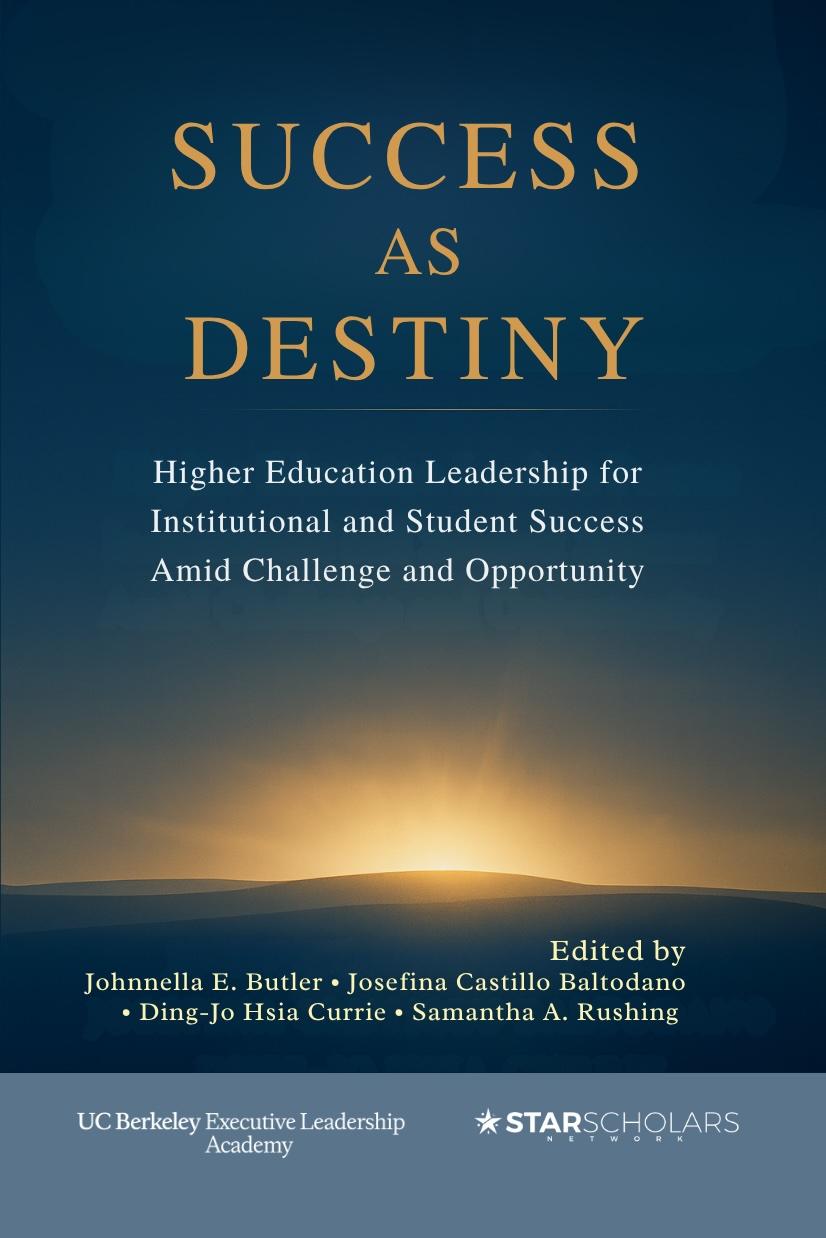
Success as Destiny explores how institutional leaders at every level can strengthen structures, processes, and approaches to advance both institutional and student success during moments of profound challenge and opportunity. Drawing on the expertise of distinguished faculty of the Executive Leadership Academy (ELA) at the University of California, Berkeley, this volume illuminates leadership practices rooted in collaboration, integrated decision-making, and servant leadership. Covering essential areas such as shared governance, legal issues, AI, enrollment, student affairs, data-informed practice, financial leadership, and strategic planning, the book offers actionable insights for current and future leaders. This is the second volume in ELA’s leadership trilogy. It stands as both a practical guide and a deeply reflective exploration of what it means to lead with purpose, integrity, and vision in higher education today.
Editors Johnnella E. Butler, Ed.D. Former Provost and Vice President for Academic Affairs, Spelman College | Atlanta, Georgia and former Associate Dean, The Graduate School, University of Washington | Seattle, Washington
Josefina Castillo Baltodano, J.D. Founder and Executive Director Emerita, Executive Leadership Academy, University of California, Berkeley | Berkeley, California and former President, Marian University | Fond du Lac, Wisconsin
Ding-Jo H. Currie, Ph.D. Distinguished Faculty and Director, Leadership Institute for Tomorrow, California State University, Fullerton | Fullerton, California and former Chancellor, Coast Community College District | Costa Mesa, California
Samantha A. Rushing Associate Director and Executive Assistant to the Advisory Board, Executive Leadership Academy, and former Program Administrator, Berkeley Global Executive Education, University of California, Berkeley | Berkeley, California
Table of Contents
Introduction .................. xix
1. Leadership Power Across Cultures ........................................ 1 Ding-Jo H. Currie
2. Leadership Modeling: A Personal Approach to Identity Development ....................... 17 David C. Wilson
3. From Successful Candidate to Transformational Leader ............. 30 Shirley Robinson Pippins
4. Presidential Leadership: Communicating Across Constituencies to Achieve Institutional and Student Success ............................... 40 Janet L. Holmgren
5. Utilizing Data to Inform the Presidency .................................. 49 Richard Yao
6. Faculty Governance and Academic Freedom ............................. 69 George R. Blumenthal
7. Legal Issues Facing Higher Education Amid Public Skepticism ........................ 81 Joseph I. Castro
8. Demystifying the AI Magic: Navigating Opportunities and Challenges of Artificial Intelligence in Higher Education ............. 94 Andrew W. Reddie
9. Student Affairs and Reimagining the University Student Experience ................... 104 Kent L. Willis and Barbara D. Holmes
10. The Enrollment Management Challenge .......... 117 Olufemi Ogundele
11. University Business and Finance .............. 133 Sarah C. Latham
12. Strategic Planning in Our Challenging Environment ................. 144 Johnnella E. Butler and Tarshia L. Stanley

Publisher : STAR SCHOLARS PRESS
Published : May 30, 2022
Bringing together a range of contributions from diverse international scholars, this edited volume explores issues of inequality in student mobility to consider how schools, universities, and colleges can ensure equitable access to international study and exchange.
Featuring evidence-based accounts of students’ experiences and exploring opportunities for study abroad in school and university contexts, Inequalities in Study Abroad and Student Mobility analyses how pedagogy and student support services can be designed to accommodate linguistic, cultural, ethnic, and socio-economic differences. Chapters foreground issues of access and opportunity and offer unique insights to inform institutional policy in developing more effective, inclusive, and equitable ways to internationalize exchange and study abroad programs and initiatives for all.
This timely volume will benefit researchers, academics, and postgraduate students in the fields of international and comparative education, as well as educators and school leaders working within secondary and higher education settings concerned with multicultural education.
Paperback | Hardback | eBook

This book includes a unique module-based, self-driven professional development program that empowers scholars to deepen their understanding of the Society of Transnational Academic Researchers (STAR) vision while enhancing their research agenda and leadership skills. Through a blended learning approach, participants engage in immersive learning experiences, including self-paced online modules, workshops, mentoring sessions, and support hours, to acquire the knowledge, skills, and mindset necessary for their professional success. This program goes beyond traditional professional development by emphasizing the social impact and justice aspects of research and scholarship. Scholars examine systemic inequalities, challenge dominant narratives, and advocate for structural change in their communities. With a focus on equity, diversity, and inclusion, the program addresses the needs of marginalized communities, fostering a culture of learning and growth.
Order print copies here || Download digital copies here
Publisher : STAR SCHOLARS PRESS
Published : February 1, 2023
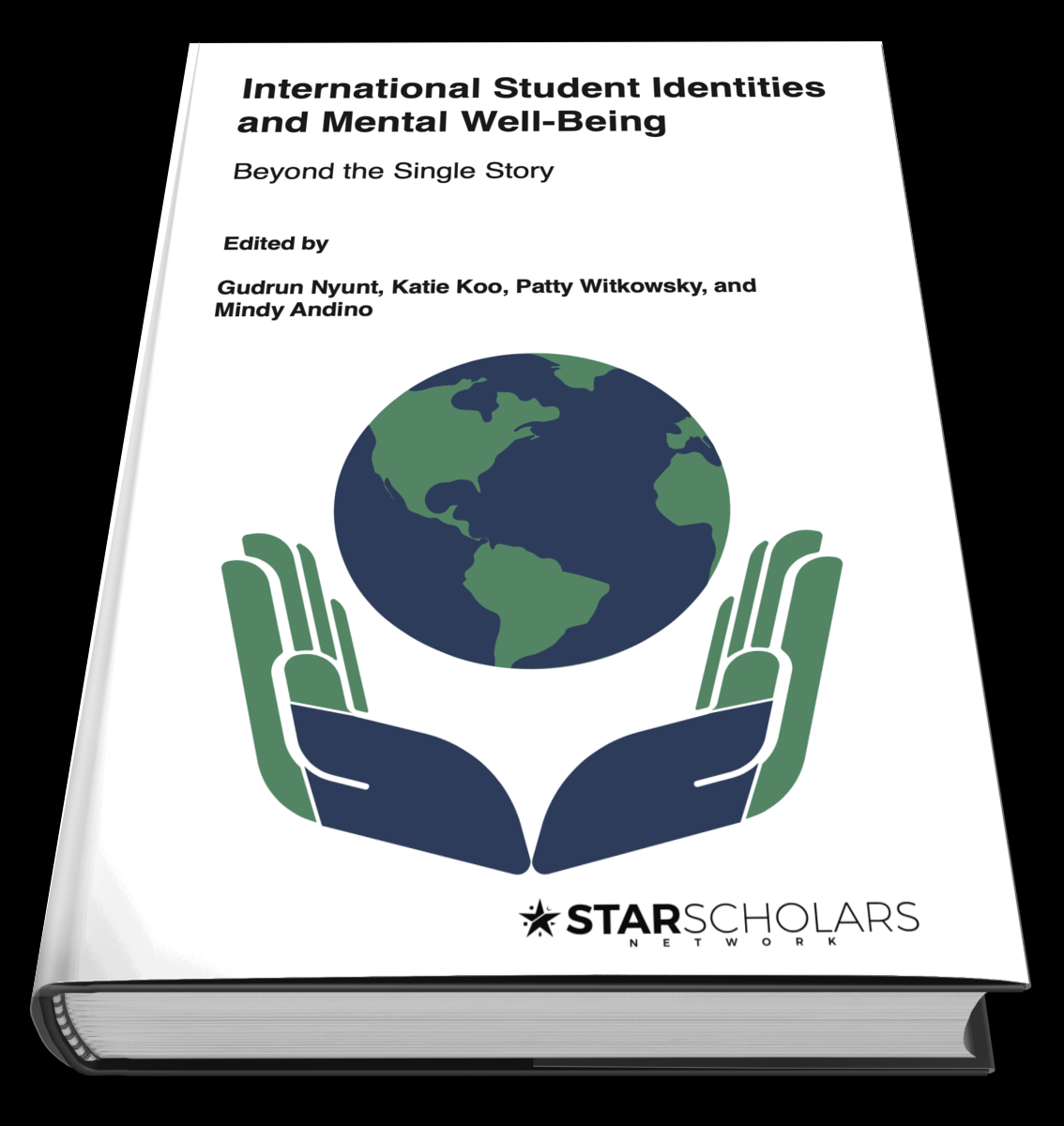
This book strives to provide valuable insights on international students’ mental well-being based on research, promising practices, and practitioners’ experiences. The book is geared toward practitioners, faculty, counselors, and others working with international students at higher education institutions in the United States. In this book, we specifically focus on how various intersecting dimensions of international students’ identities shape their mental well-being and the support or resources they may need. By doing so, we hope to provide a more complex and nuanced picture of international students’ mental well-being to guide practice and inspire future research.
Print and digital editions are available
