
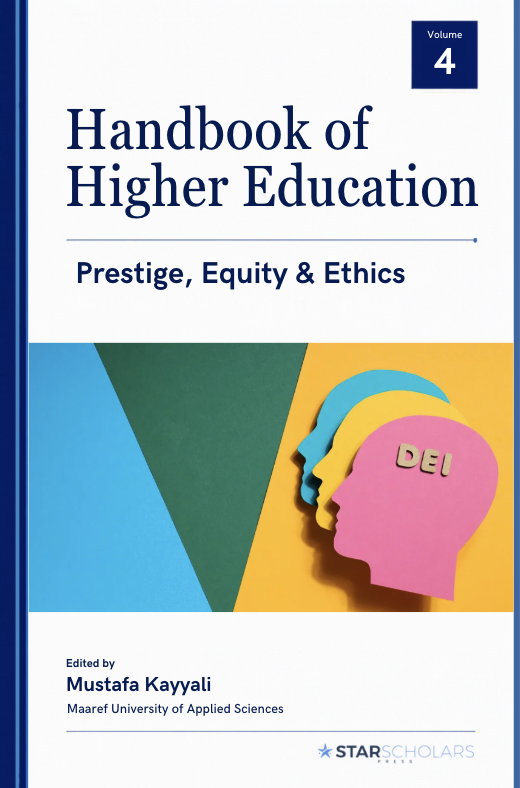
Digital Learning, Analytics & Student Success Systems

Authors

By 
Mohammed Feroz Ali
Mohammed Feroz Ali, Fiji National University, Fiji Islands
Orcid https://orcid.org/0000-0002-9980-3182

Mohammed Feroz Ali is Associate Dean Research and Assistant Professor at Fiji National University, with over 30 years of experience in education, physical education, sports science, curriculum development, and information and communication technology (ICT). He holds a Ph.D. in Physical Education Curriculum from Mangalore University, India. Dr. Ali has published extensively in internationally indexed Q1, Q2, and Q3 journals, with research focusing on physical fitness, sports psychology, inclusive education, educational technology, and artificial intelligence in education. He authored Teaching Physical Education: Principles, Pedagogies and Practice (2025) and reviews for leading international academic journals.

Bimlesh Kumar
Bimlesh Kumar, Fiji National University, Fiji Islands
Orcid https://orcid.org/0009-0006-7933-5699

Bimlesh Kumar teaches Communication, Language and Literature at the Fiji National University for the past three years after teaching Physical Education and English in Secondary schools for twenty-seven years. He holds a Degree in Education majoring in English Literature and Language, a Post Graduate Diploma and Masters in English Literature and Language. He was bestowed a Gold Medal (Most Outstanding Student) in 2021 for his Masters qualifications. He is an avid long-distance runner who has represented Fiji in a number of regional and world competitions. A proud Rotarian, he loves reading, and advocates reading for pleasure especially amongst children.

STAR SCHOLARS PRESS

Published

Publication date : September 3, 2026

Synopsis

Digital transformation has become a defining feature of contemporary higher education systems, reshaping institutional structures, pedagogical approaches, and organizational cultures. While digital technologies offer significant opportunities to enhance access, flexibility, and resilience, their implementation is highly context-dependent. This chapter critically examines digital transformation in higher education with particular attention to the Fijian context. Drawing on international literature, the chapter explores how systemic change driven by digital technologies differs from basic digitization and highlights the role of human agency, leadership, and institutional culture. It further situates Fiji’s experience within broader global trends, emphasizing how geographic dispersion, infrastructural limitations, and socio-economic conditions shape digital outcomes. The chapter argues that without targeted policies and capacity-building initiatives, digital transformation risks reinforcing existing inequalities rather than advancing inclusive and sustainable higher education development in Fiji.


Copyright
