New Releases
7 Titles
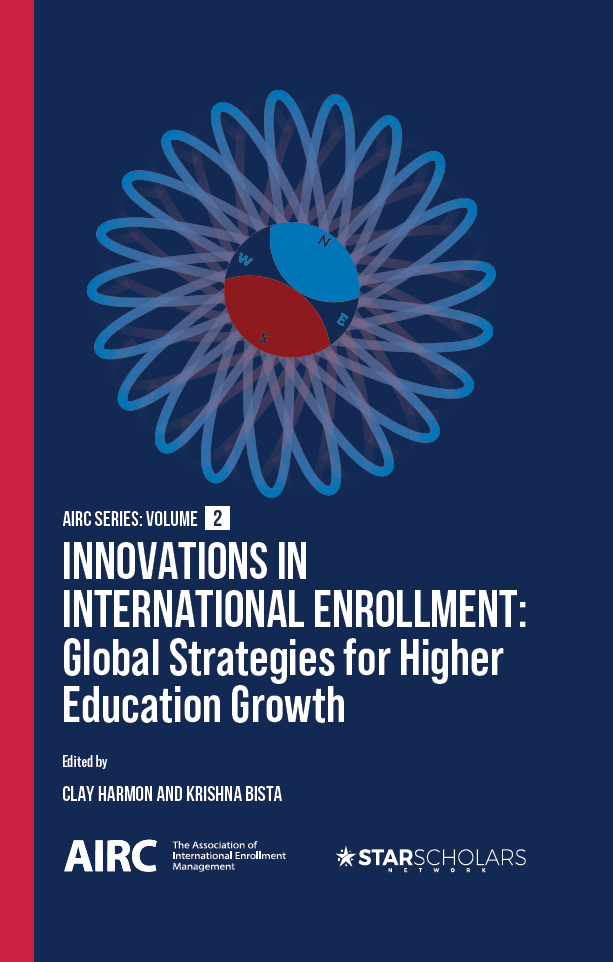
Series : Vol 2
Publisher : STAR SCHOLARS PRESS
Published : November 5, 2025
This volume examines international student enrollment from multiple perspectives across the globe. Contributors explore how digital transformation, artificial intelligence, and new marketing strategies are reshaping recruitment and engagement, while also addressing the cultural, political, and social factors that influence the international student experience. The book includes case studies from the United States, Latin America, Asia, and Africa, showcasing the interplay between technology, policy, and student success.
Readers will find discussions that range from the role of English language programs in soft diplomacy to the impact of creative economies in Indonesia, from Japanese enrollment rebounds to the challenges faced by Mexican and Brazilian students, and from the promises of AI in higher education to the dilemmas of fostering democracy and inclusion in classrooms and research. Together, these contributions illustrate the complex realities of international student enrollment today and provide actionable insights for educators, policymakers, and institutional leaders seeking to build inclusive, resilient, and globally connected campuses.
Editors: Clay Harmon and Krishna Bista
OPEN ACCESS BOOK | CC BY-NC-ND Open access editions of this book can be accessed here . The open access edition of this book is freely available to readers worldwide and may be accessed, downloaded, and shared without charge through the publisher’s website and scholarly discovery platforms.
Available as Hardcover | Open Access | Related books
Contents Introduction: Framing the Future of International Student Enrollment
Chapter 1: Beyond Politics: The Role of Inclusion in U.S. Higher Education for International Student Success Chapter 2: What International Students Want and What They Actually Get: Bridging Expectations with Outcomes Chapter 3: English Language Programs as Facilitators of Soft Diplomacy Chapter 4: AI-Driven, Human-Led: The New Rules of SEO Applied to Higher Education Chapter 5: Sustainable Disruption: AI and Digital Transformation Chapter 6: Transforming the Impact of AI in India: Emerging Trends in Student Enrollment and Engagement Chapter 7: Navigating Cultural Transitions: Unfolding the Acculturation Puzzle of International Students Chapter 8: Rebounding Japanese Student Enrollment in U.S. Education: Successes and Strategies Chapter 9: Mexican International Students and the Impact of Contemporary U.S. Political Shifts Chapter 10: Leveraging Digital Transformation for International Student Enrollment Growth in Ghana Chapter 11: Empowering Indonesian Students in the Creative Economy: Strategic Insights for a Competitive Future Chapter 12: Democracy in Practice: Challenges from Teaching, Research, and Student Inclusion in Brazil Chapter 13: Emerging Trends and Adaptive Strategies in International Student Enrollment: Regional Insights and Institutional Responses Chapter 14: From Home to Host: Challenges and Resilience in Cross-Cultural Transition
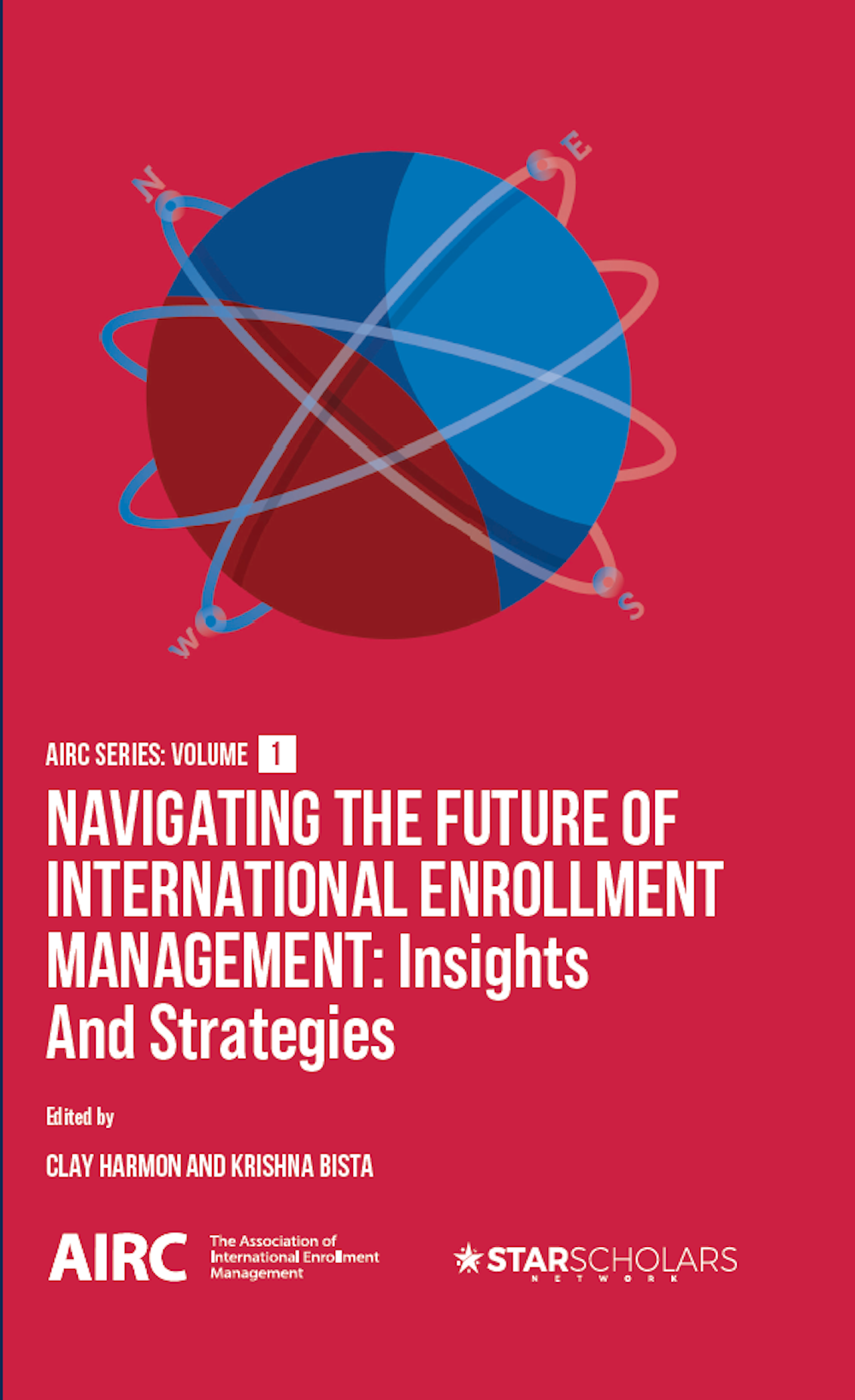
Series : Vol 1
Publisher : STAR SCHOLARS PRESS
Published : September 4, 2025
This scholarly volume examines the shifting dynamics of international student enrollment within an increasingly complex global higher education. Drawing on contributions from experienced practitioners and researchers, this work addresses critical themes, including international branch campuses, transnational education models, data-informed decision-making, student success, and institutional transformation. Through evidence-based analysis and case studies from diverse contexts, the book offers actionable strategies for fostering ethical, inclusive, and sustainable enrollment management practices. It serves as an essential reference for higher education leaders, enrollment professionals, and policymakers committed to advancing global engagement in a time of rapid change.
Editors Clay Harmon and Krishna Bista
OPEN ACCESS BOOK | CC BY-NC-ND Open access editions of this book can be accessed here. The open access edition of this book is freely available to readers worldwide and may be accessed, downloaded, and shared without charge through the publisher’s website and scholarly discovery platforms.
Order Print Copies: Hardcover | Paperback | Open Access Book (free)
A compelling framework that transforms international enrollment from a complex challenge into a strategic opportunity for global academic excellence. Thomas Tinnefeld, PhD Professor of Applied Languages, Saarland University of Applied Sciences, Germany A valuable resource for higher education administrators and scholars. John D Branch, PhD, EdD Professor of Business Administration, University of Michigan, USA An essential resource offering innovative strategies and crucial insights for education leaders navigating international enrollment in today's rapidly evolving global landscape. Chunipha Poedloknimit, PhD Lecturer, Department of Public Administration, Western University, Thailand A rich collection of perspectives that deepens our understanding of how to create supportive and globally connected learning environments for international students. Lu Lu, PhD Beijing Language and Culture University, China In a rapidly changing world, Navigating the Future of International Enrollment offers both clarity and vision for building more inclusive, resilient, and globally engaged campuses. Drawing on diverse voices and practical experience, it inspires educators and policymakers to reimagine internationalization for the future. Thatcher A. Spero, PhD Professor of Education, Musashino University, Japan
With clarity and vision, the authors provide timely strategies that will guide institutions in navigating the evolving global enrollment landscape and highlight the central role of student success and well-being. Praveen Kumar Rudra, PhD Assistant Professor, University of Nebraska at Omaha, NE, USA
A thought-provoking volume that empowers education leaders to embrace diversity and innovation in global enrollment strategies. Sirirat Na Ranong, PhD, Assistant Professor, Faculty of Liberal Arts, Thammasat University, Thailand
Contents
Introduction
Navigating the Future of International Enrollment Management
Chapter 1
Rethinking International Enrollment Management: Looking Inward to Support a Global Perspective
Chapter 2
International Branch Campuses and U.S. Universities: Global Enrollment Opportunities in a Changing World
Chapter 3
Transforming Business Education: A Management Information System as a Major in STEM to Attract International Talent
Chapter 4
A World Unbound: The Fusion of Trends Redefining International Education
Chapter 5
Using Data Wisely for International Enrollment Management
Chapter 6
From Home to Host: Challenges and Resilience in Cross-Cultural Transition
Chapter 7
Managing International Academic Collaboration in a Turbulent World: Swedish Perspectives
Chapter 8
Intentional Enrollment Management: A Scalable Approach to Student Success and Institutional Transformation
Chapter 9
A Niche in Transnational Higher Education: The Microcampus Model of the University of Arizona
Chapter 10
From Recruitment to Graduation: A Comprehensive Approach to International Enrollment Management
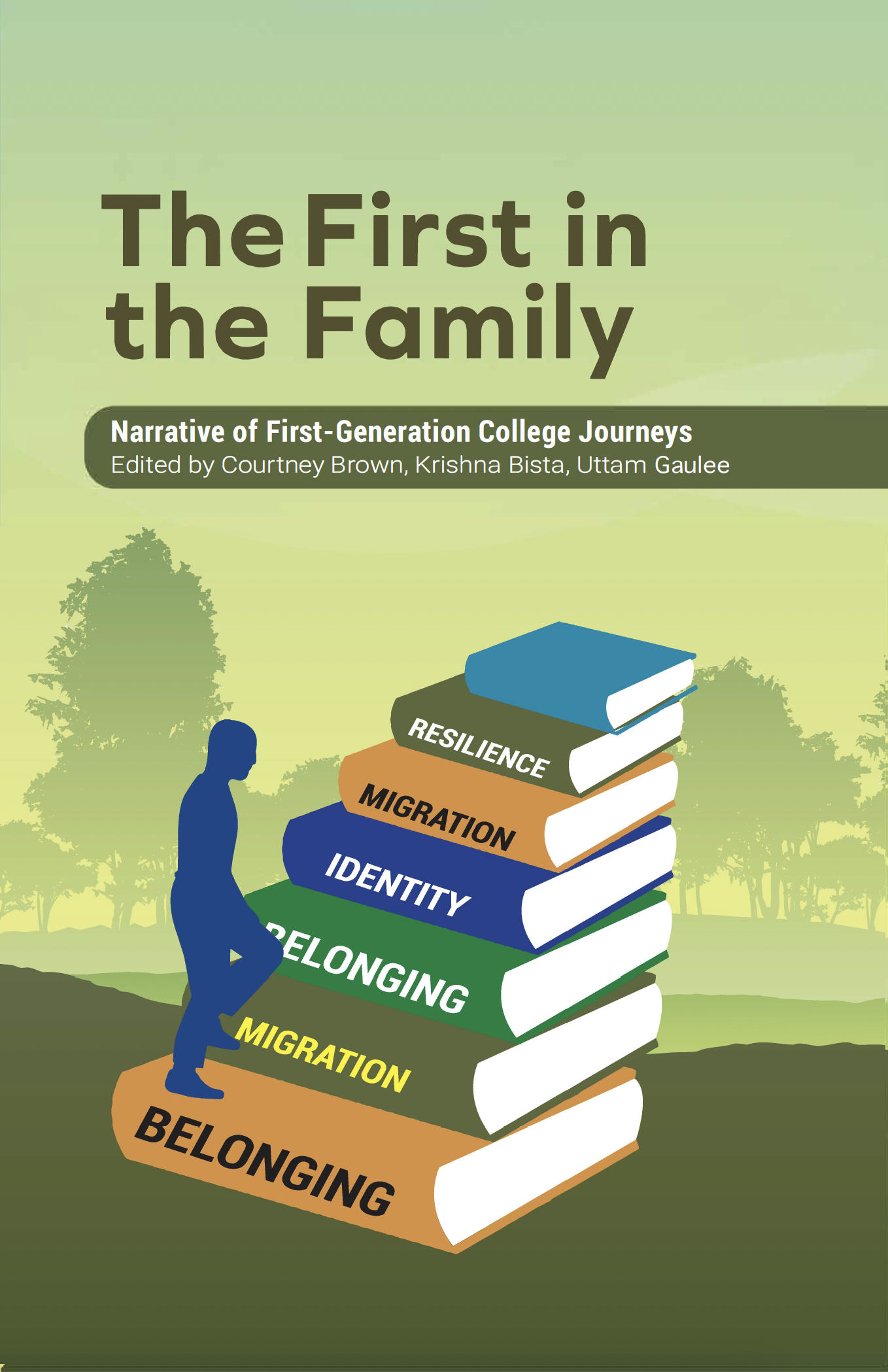
Series : Volume 1
Publisher : STAR SCHOLARS PRESS
Published : August 29, 2025
First in the Family is a compelling anthology that amplifies the voices of first-generation college students and scholars from around the world. This volume captures deeply personal narratives shaped by resilience, identity, migration, and mentorship. Across diverse contexts—from remote villages to prestigious global universities—contributors share their experiences navigating systemic barriers and cultural expectations to achieve academic success. These transformative stories not only honor the legacy of first-generation learners but also serve as a powerful call for inclusive practices that empower future generations.
OPEN ACCESS BOOK | CC BY-NC-ND Open access editions of this book can be accessed here . The open access edition of this book is freely available to readers worldwide and may be accessed, downloaded, and shared without charge through the publisher’s website and scholarly discovery platforms.
Available as Paperback | Hardcover | Open-Access
Praise for this book This book reminds us that transformation in higher education often begins in places we least expect, and with people too often overlooked. George F. Kacenga, PhD, Vice President of Enrollment Management, William Paterson University of New Jersey, USA
As the first in my family to earn a Ph.D. through my own hard work and determination, I can attest that this volume serves as a compelling blueprint for institutions committed to empowering individuals who are not only the first in their families—but the first to lead with courage and conviction. Jing Luán, PhD, Governing Board Member, MISK Schools, Provost Emeritus An inspiring narrative emphasizing the need for democratizing access to higher education across cultures, while advocating for the need for more inclusive academic spaces. Pankaj Mittal, PhD, Secretary General of the Association of Indian Universities and Former Vice Chancellor of Bhagat Phool Singh Women's University, India
A priceless compass for educators, First in the Family charts the paths of their students' transformative journeys of discovery and perseverance, illuminating the way for them to overcome obstacles, transcend borders, and realize their dreams. Elena de Prada Creo, PhD, Vice Dean for International Affairs, Facultad de Relaciones Internacionales, Campus Universitario, Spain.
These powerful narratives beautifully capture how intercultural growth and academic resilience converge in the lives of first-generation learners, challenging racism, gender bias, and structural inequality. A moving testament to transformation, resistance, and intergenerational commitment. Sarah Carrica-Ochoa, Profesora Titular, Facultad de Educación y Psicología, Universidad de Naarra, Spain
A moving tribute to the grit and grace of first-generation scholars—this anthology is both an inspiration and a blueprint for a more inclusive academy. Pankhuri Aggarwal, PhD,Assistant Professor, Department of Psychology, University of Cincinnati, USA
A powerful collection of stories from diverse first-generation scholars, highlighting their struggles, resilience, and the vital role of support systems in achieving academic and personal success. Siu-Man "Raymond" Ting, PhD, Professor, Director of Graduate Programs, NC State University, USA As a rural education advocate, this book is a valuable resource for academic praxis and serves as a compass to guide young scholars in promoting social justice. Arlyne C Marasigan, PhD, Professor, College of Advanced Studies, Philippine Normal University, Manila, Philippines This volume situates the voices of first-generation university graduates in their own unique personal contexts and provides insight into the breadth of pathways that these graduates take to earn their degrees. As a first-gen graduate myself, the stories resonated, and will for others who are seeking guidance on how to be successful in this important life journey. Shannon N. Davis, PhD, Associate Dean for Faculty and Academic Affairs, George Mason University, Korea
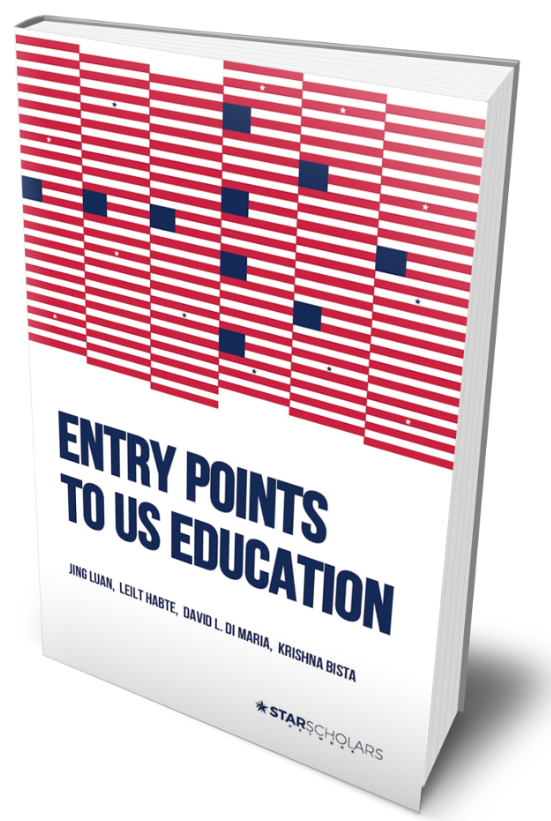
Publisher : STAR SCHOLARS PRESS
Published : May 20, 2024
Entry Points to US Education: Accessing the Next Wave of Growth focuses on the imperative need to modernize international education as a result of the changes in international student mobility. Centered around the ten entry points, the book looks into the distinct preferences and approaches of Generation Z (Gen Z) students, offering data-driven strategies to navigate the ten entry points to U.S. undergraduate degrees. This book also provides actionable strategies and model practices and encourages a national dialogue around student engagement to enhance (in the context of) global mobility.
Editors
Jing Luan is Provost Emeritus of San Mateo Colleges of Silicon Valley (San Mateo County Community College District) and former President of the Association of International Enrollment Management.
Leilt Habte is the Associate Director of the Transfer Center at the University of California Berkeley Center for Educational Partnership.
David L. Di Maria is a Senior International Officer and Associate Vice Provost for international education at the University of Maryland, Baltimore County.
Krishna Bista is a Professor of Higher Education in the Department of Advanced Studies, Leadership and Policy at Morgan State University, Baltimore, Maryland.
OPEN ACCESS BOOK | CC BY-NC-ND Open access editions of this book can be accessed here . The open access edition of this book is freely available to readers worldwide and may be accessed, downloaded, and shared without charge through the publisher’s website and scholarly discovery platforms.
Download Open Access Book (Free) or Order Paperback and Hardcover
Table of Contents
The Ten Entry Points to U.S. Education Jing Luan; Larry Lifson; Andrew H. Chen; George Kacenga
Diverse Entry Points to Degree Studies in the United States Mirka Martel; Julie Baer
Revolutionizing English Language Learning and Assessment Lindsay Mathers Addington; Anna Esaki-Smith
Secondary School Initiatives as Entry Points to Higher Education Enrollment for International Students in the U.S. Darla K. Deardorff; Maureen Manning
University Transfer Admission and Community College Ranking Jing Luan; Leilt Habte
Community Engagement and Branch Campus as an Entry Point to U.S. Higher Education Kelley E. Chung; Shannon N. Davis
Breaking Barriers Jing Luan
University Transfer Admission Success and Dispelling Myths Jing Luan
A True American Story Ralph Lemke
Alumni Management for International Student Recruiting Gretchen Dobson; Ben Waxman
A Copilot Model of University Transfer Admission Leilt Habte
Satisfying International Students' Palates Syed K. Jamal; Ling Zhang
Ethics in U.S. University International Admissions Francis Miller
The 6 Ps of Strategic International Enrollment Management Marty Bennett
Regional Reforms, Cultural Biases, and Acceptance of the Cultural Currency of Others David Di Maria
A Primer on Partnership Options for Institutions Seeking to Build and Nurture Marci Lynn Fradkin; Lisa A. Maroni
Impact of Tuition Fees on International Student Mobility in Sweden Per A. Nilsson; Lars Westin
Design Thinking to Support International Students’ Planning Christina (CJ) Davison; Karen Bauer
Strategic Digital Marketing for International Student Recruitment Ben Waxman; Tianyu Shen
Data Visualization for International Recruitment Pieter Vermeulen
National Conversation on Entry Points Jing Luan; Brian Whalen; Krishna Bista
"Entry Points to US Education highlights examining modern international education's complexities. Editors and authors offer a nuanced and thorough examination of the diverse pathways available to Generation Z students. This work is indispensable for those looking to elevate their strategic approach to international student engagement and education. All contributors expertly combine theoretical insights with practical examples, making this book an incredibly valuable resource for implementing effective recruitment and engagement strategies." Dr. Allan E. Goodman, Chief Executive Officer, Institute of International Education, New York, USA
***
"This is a compelling book for anyone seeking to add depth and detail to their understanding of the admissions systems into US higher education. Delivered in an accessible engaging format, this is an essential lens which all aspiring international recruiters and those working in enrollment management will be keen to look through. My congratulations to Dr. Jing Luan et al for demystifying and democratising this knowledge." Amy Baker, Chief Executive Officer, Professionals in International Education (PIE), London, UK
***
"A book truly for the ages! Both theory and science-based, this momentous volume will guide students to choose new and better ways for college." Lily Guo , CEO of Global Advanced Technical Education (GATE) China, and College University Partnership Board Member
***
"Luan, Habte, Di Maria, and Bista provide a crucial roadmap for navigating the complexities of international student recruitment in Entry Points to US Education: Accessing the Next Wave of Growth . Their comprehensive analysis and innovative strategies are indispensable for institutions aiming to enhance their global reach and effectively engage with Gen Z students." Dr. Ron K. Patterson , President, Chadron State College, Chadron, Nebraska, USA
***
“This work lays out a much-needed plan for facilitating increased international student study at the U.S. undergraduate level. Its consideration of the preferences of Gen Z and Millennial students as well as the larger global context and expertise of current practitioners results in content that is meaningful, authentic, and immediately applicable.” Dr. Sora H. Friedman , Professor of International & Global Education, SIT Graduate Institute, Vermont, USA
***
“Unlock the gateway to America's educational landscape with Entry Points to US Education . A strategic guide illuminating pathways for personal and national advancement.”
Dr. Naziema Jappie, Deputy Dean, Centre for Higher Education Development, University of Cape Town, South Africa
***
" Entry Points to U.S. Education clarifies the intricacies of international student mobility in the U.S., cementing its status as an invaluable reference for both new entrants and seasoned professionals alike in the field of international education.”
Dr. Emily Kirsch , Director of International Relations and Partnerships, University of California, Los Angeles (UCLA) Extension, USA
***
“As the global demand for US education continues to surge, Ten Entry Points to US Education: Accessing the Next Wave of Growth is a collective effort of authors who provide an illuminating roadmap for international students seeking to unlock the boundless opportunities within the United States educational landscape. Through meticulous research and insightful case-studies analysis, the authors provide a comprehensive approach on traditional educational frameworks and emerging technology enhanced learning methods. Each chapter of the book expertly navigates the complexities related to international student access, offering invaluable guidance on how to thrive in this dynamic environment. The book is a must read for students, educators, and policymakers alike.”
Dr. Jeet Joshee, Associate Vice President, International Education and Global Engagement, California State University Long Beach, Immediate Past President, AIEA
***
“This book by Jing Luan and his co-editors strikes at the central need for data-driven decision-making in International Education programming for Generation Z students and all future learners. It presents a cogent rationale for using data in strategic planning and resource allocation but also surfaces an urgent need for innovative and sustainable training for leaders serving international students. It should be on the reading list of international education planners, researchers, administrators, and academic and student services program leaders. The global diversity of our strength and pathway to survival lies in an international educated citizenry, and this book points to a continuing path to success and offers the needed tools and strategies to do so.”
Dr. Edward J. Valeau , Superintendent/ President Emeritus, Hartnell Community College, Salinas, California, USA
***
"Currently, some 1.1 million international students are studying at over 5,300 universities in the USA - creating an amazing "economic industry" for the USA, estimated at some $38.7 billion and employing in excess of 400,000. This has become the 6th largest services industry in the nation. To enable millions of students to access the U.S. experience and foster strong bonds, it is crucial to open up all available entry points. International student education is a major "international industry" that American higher education provides for the current and future generations of the world."
Dr. Patrick van Rooyen, CEO & Managing Partner, GoGlobal Education; Executive Director, World Education Group, USA ***
"Entry Points to US Education: Accessing the Next Wave of Growth provides an updated and dynamic cartography to facilitate international students' access to US universities, offering the different routes—the most direct and the less trodden ones—to reach their objective. Of utmost interest to students, academia, and institutions, this accurate and detailed chart provides clear and meaningful signposts and instructions for inclusive global navigation.
Dr. Elena de Prada Creo, Vice Dean for International Affairs, University of Vigo, Spain
***
"Just as American higher education leaders have examined and developed different entry points into colleges and universities for US-based students, a similar exploration is taking place for international students seeking to study in the US. This book offers much-needed practical strategies and evidence-based guidance for meeting the interests and needs of today’s international students pursuing undergraduate degrees at US institutions."
Dr. Dawn Michele Whitehead, Vice President, Office of Global Citizenship for Campus, Community, and Careers, American Association of Colleges and Universities, Washington, DC
***
" Entry Points to US Education: Accessing the Next Wave of Growth captures the essence of well-developed educational strategies in modern times. With its insightful analysis of cases and strategies, it serves as a source for educators, researchers, and policymakers aiming to navigate the complexities of a liberal yet meritorious educational ecosystem.”
Dr. Bal Chandra Luitel , Professor & Dean, Kathmandu University School of Education, Lalitpur, Nepal
***
"Bravo to the authors of this book. With the changing preferences and global mobility patterns of Generation Z students, there is an urgent need for colleges and universities to understand the multiple entry paths into U.S. undergraduate education. The delineation of opportunities and challenges with each of the 10 points of entry provides practitioners with insight into modernizing international education for their campuses. Case studies included in the book give depth into the successful strategies for implementing the different entry points. Data and research provide a foundation for case-making for reform. Tools are offered for strategic enrollment management and partnerships. This book causes you to think differently about the approach to international students entering into U S baccalaureate degree programs. A must-read for anyone interested in embracing the model and growing international enrollment." Dr. Martha Ellis, President of Mellis LLC and Professor in Residence University of Texas at Austin, USA
***
“Entry Points to U.S. Education is a timely review of how to optimize the enrollment of international students in U.S. higher education. As the leading destination for international students worldwide, with an increasingly competitive landscape amongst nations for these talented students, it is important for the United States, and its educators, to familiarize themselves with the variety of options they have for enrolling international students and, more importantly, why and how they should approach this task. Opportunity can only be had if it is first understood.”
Dr. Karen McBride, Executive Director, Community Colleges for International Development (CCID), Houston, USA
***
"An insightful comprehensive analysis of entry points to US higher education, bringing together research, policy, and practice within an ever-evolving complex international student mobility landscape. A timely and valuable addition to the current global discussion around equality, diversity, and inclusion."
Dr. Joanna Al-Youssef , Assistant Professor, University of Nottingham School of Education, UK
***
"This insightful book provides a vital, data-driven framework for modernizing international education to align with the evolving needs of today's globally mobile students. Centered around ten key entry points to U.S. undergraduate degrees, it offers actionable and innovative strategies to improve student engagement and expand access. This book is an invaluable resource for navigating the next wave of growth in U.S. higher education and makes an important contribution to the national dialogue on international student recruitment. I would recommend any higher education professional involved in attracting international students read this important book."
Charles Cormack, Chairman, Cormack Consultancy Group, UK
*** After many years of engagement with students, parents, institutional leaders, and governmental officials, with a direct focus on global student enrollment and retention, this book demonstrates to me the power of that engagement work. Furthermore, it outlines the future of global attractiveness for U.S. institutions of higher education in today's ever changing perceptual and pragmatic enrollment ecosystem. Understanding the attraction and retention process is clearly and powerfully detailed throughout this work.
Dr. James M. Smith , President, Eastern Michigan University, Ypsilanti, USA
***
"I am thrilled to have the opportunity to read this book before its publication and grateful to the authors for their generous sharing! A few authors of this book are good friends of mine, with years of rich experience and practical knowledge in education in the United States. The content of this book is a culmination of their years of practical experience, featuring both theory and hands-on advice. It truly guides readers on how to navigate higher education in the United States, especially for international students and those looking to transfer from community colleges. They provide highly effective and actionable methods and entry points, making it an essential textbook for parents, teachers, and education professionals!" Dr. Chunli Zhao, Professor, Stem Cell Biology, Stanford University, Palo Alto, USA
***
“This work is truly pioneering, as it clarifies all potential entry points to U.S. education, particularly emphasizing the significance for community colleges. As a community college trustee, I deeply resonate with the authors’ vision and strategic approach. I urge everyone to read the book, embrace its concepts, and advocate for these entry points.” Gilbert Wong , Foothill-De Anza Community College Trustee, Association of Community College Trustee At Large and ACCT Student Trustee Liaison, Former Mayor and Councilmember, City of Cupertino, California, USA
*** “This insightful publication by Jing Luan and colleagues is a game changer. The focus on actionable strategies and model practices provides a blueprint for enhancing student engagement and success in a globally mobile world.”
Dwiraj Sharma, CEO, Alfa Beta Group, Kathmandu, Nepal
*** “I highly recommend this book to those seeking to study in the U.S. and to those advising foreign students. Numerous students have triumphantly completed their undergraduate education through UTA (university transfer admission). With insights from this book, I am now even more confident in my efforts to steer students towards transfer programs at community colleges.”
Christine Ma, International Outreach Director, American Academy of English, San Francisco, USA
***
"This is a comprehensive and systematic introduction to the entry points for undergraduate studies in the U.S., offering incredible insights for education professionals, students, and parents worldwide. The compelling case studies make a persuasive and intuitive argument, steering us away from exclusively relying on applying for U.S. universities while in high school, which seems rather limited in light of the information from this illuminating compendium”.
Harry Gong, CEO, HYP Global Education, Singapore and Shanghai
***
"Studying in the U.S. is a dream of every child. Written with clarity and expertise, this book provides a roadmap to "Unlocking America" and demystifies the key requirements, procedures, and strategies for obtaining entry into the United States. A must-read for anyone seeking to understand the intricate pathways to the United States and embark on a journey leading to a brighter future in the land of endless opportunities." Dr. Pankaj Mittal, Secretary General of the Association of Indian Universities and Former Vice Chancellor of Bhagat Phool Singh Women's University, India
***
“An essential read for anyone invested in the future of international education in U.S. higher education institutions. As traditional models of access become overwhelmed, the authors highlight the importance of establishing alternative entry points, particularly through community colleges, for the next generation of international students. Valuable insights innovators at the forefront of the global student mobility conversation.”
Dr. Aaron McVean, Vice Chancellor of Educational Services and Planning, San Mateo County Community College District (SMCCCD), San Mateo Colleges of Silicon Valley (SMCSV), USA
***
"For students worldwide, studying in the US is both a dream and a path to future success. This book shows how that dream can be realized, and the many doors students can open to achieve their goals." Anna Esaki-Smith , author of Make College Your Superpower: It's Not Where You Go, It's What You Know, and Forbes contributor
*** This book emphasizes the importance of international student mobility and advocates for increased access to U.S. bachelor's programs through multiple entry points. The publication is committed to advancing ethical recruitment practices and promotes a more inclusive and interconnected approach to the mobility of international students. I find the book's recommendations to enhance diverse educational entry points and improve connectivity among them particularly compelling. These guidelines challenge the existing norms and offer a structured framework to capitalize on the unique strengths of U.S. higher education, including its breadth, access, quality, and flexibility. The proactive and intentional strategies discussed in this book will catalyze significant advancements in how institutions and communities across the U.S. approach international student enrollment. I recommend this book to all professionals and policymakers involved in higher education and international student recruitment. It is a vital resource that promises to transform perspectives and encourage significant strides toward a more inclusive and dynamic educational framework.
Dr. Jamillah Moore, Vice President for Student Services and Enrollment Management, San Francisco State University, USA
***
As a leader of one of largest professional associations for college admissions, I find this book invaluable for underscoring the critical work we do. It elucidates key entry points and data driven case studies, enabling us to enhance our engagement and strategic outreach efforts on an international scale. As a practitioner in college admissions at a community college, I particularly appreciate how the book highlights the essential role of two-year, vocational, and short-term programs in the global higher education landscape. It emphasizes the importance of including these options in discussions about helping students find the right higher education and post-secondary fit.” Kristoffer Toribio, President for International Association for College Admission Counseling and Manager, International Admissions and Recruitment for Orange Coast College, USA
***
First, the field needs these definitions of the entry points. The authors delivered them with clarity. The book is well balanced with a plan of action.It will greatly assist industry entities worldwide to grasp the nuances of the American Education System. Sushil Sukhwani, Founder, Edwise International, Nepal
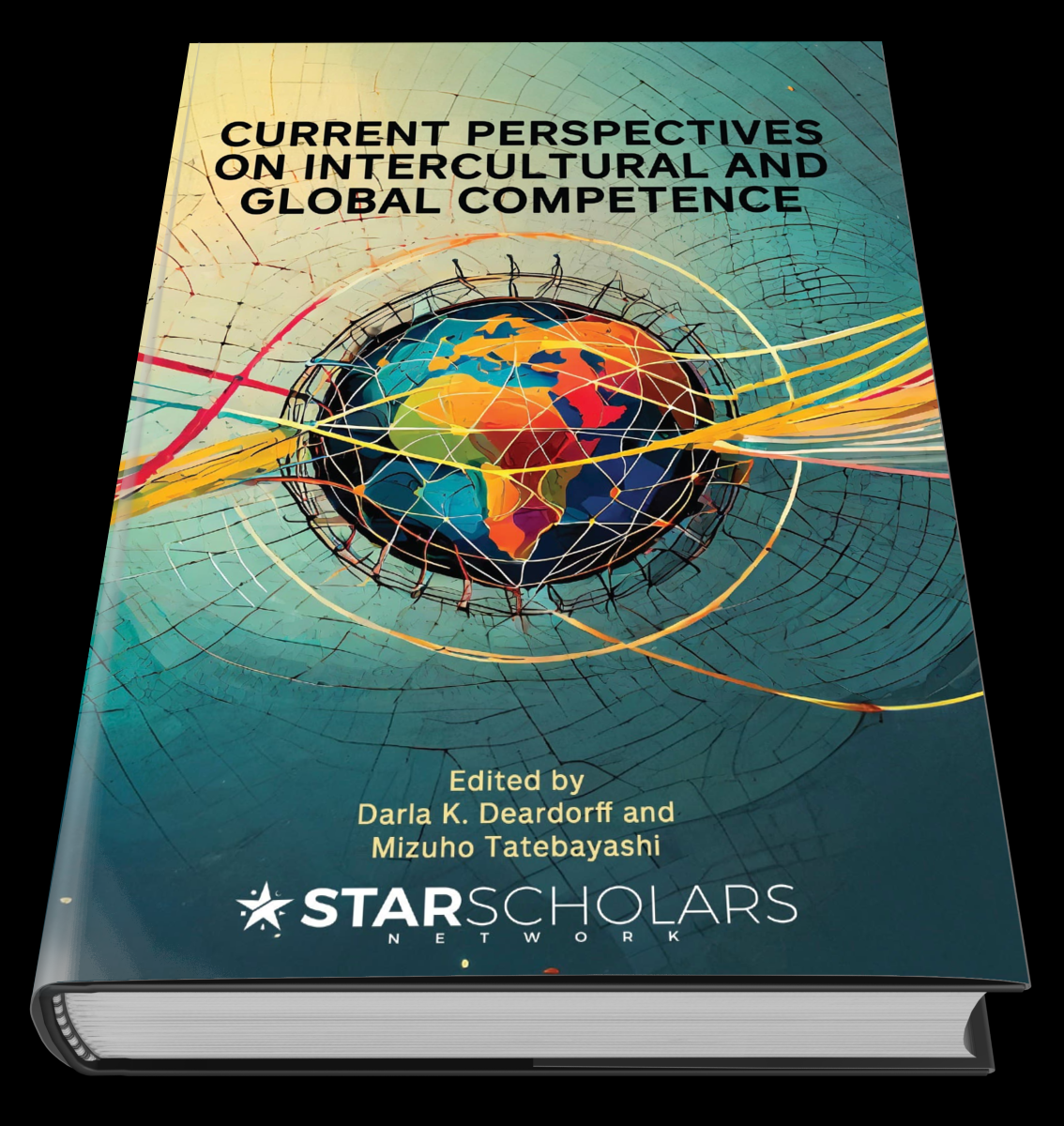
Publisher : STAR SCHOLARS PRESS
Published : May 15, 2024
Current Perspectives on Intercultural and Global Competence offers a compelling exploration of the evolving landscape of intercultural and global competence through a variety of lenses. This insightful book delves into the complexities of navigating the practical implications of getting along together across difference and similarity. With collective contributions from scholars and practitioners worldwide, this book presents a diverse array of perspectives from different disciplines, contexts, languages, and cultures. Through rich discussion and insights, contributors to this book invite readers to engage in delving further into the complexities of the crucial understanding needed to thrive in today’s interconnected and yet often polarized world.
Editors
Dr. Darla K. Deardorff is Founding President of the World Council on Intercultural and Global Competence. She is also the UNESCO Chair on Intercultural Competence at Stellenbosch University (South Africa) as well as appointed faculty at other universities in Japan, China, the US and Canada. She has worked in the international education field for thirty years and is the author/editor of 14 books and over 60 other publications including the seminal work on intercultural competence, Sage Handbook of Intercultural Competence as well as the open access UNESCO Manual on Developing Intercultural Competence: Story Circles. Regularly invited to speak around the world, she is working on the intersections of intercultural competence with peacebuilding, gender equality and climate action.
Mizuho Tatebayashi, a Japanese scholar-practitioner, who is enthusiastic about intercultural communication and international education. Her roots lie in Japan, yet she had the privilege to explore outside the country during her undergraduate years, where she discovered the transformative power of cross-cultural experiences. As a doctoral student in North Carolina State University's Educational Psychology program, her focus centers on the development of intercultural competence and fostering enriching learning environments. She currently serves as an Executive Fellow at the World Council on Intercultural and Global Competence.
OPEN ACCESS BOOK | CC BY-NC-ND Open access editions of this book can be accessed here . The open access edition of this book is freely available to readers worldwide and may be accessed, downloaded, and shared without charge through the publisher’s website and scholarly discovery platforms.
Order print copies here | Open Access Book (Free)
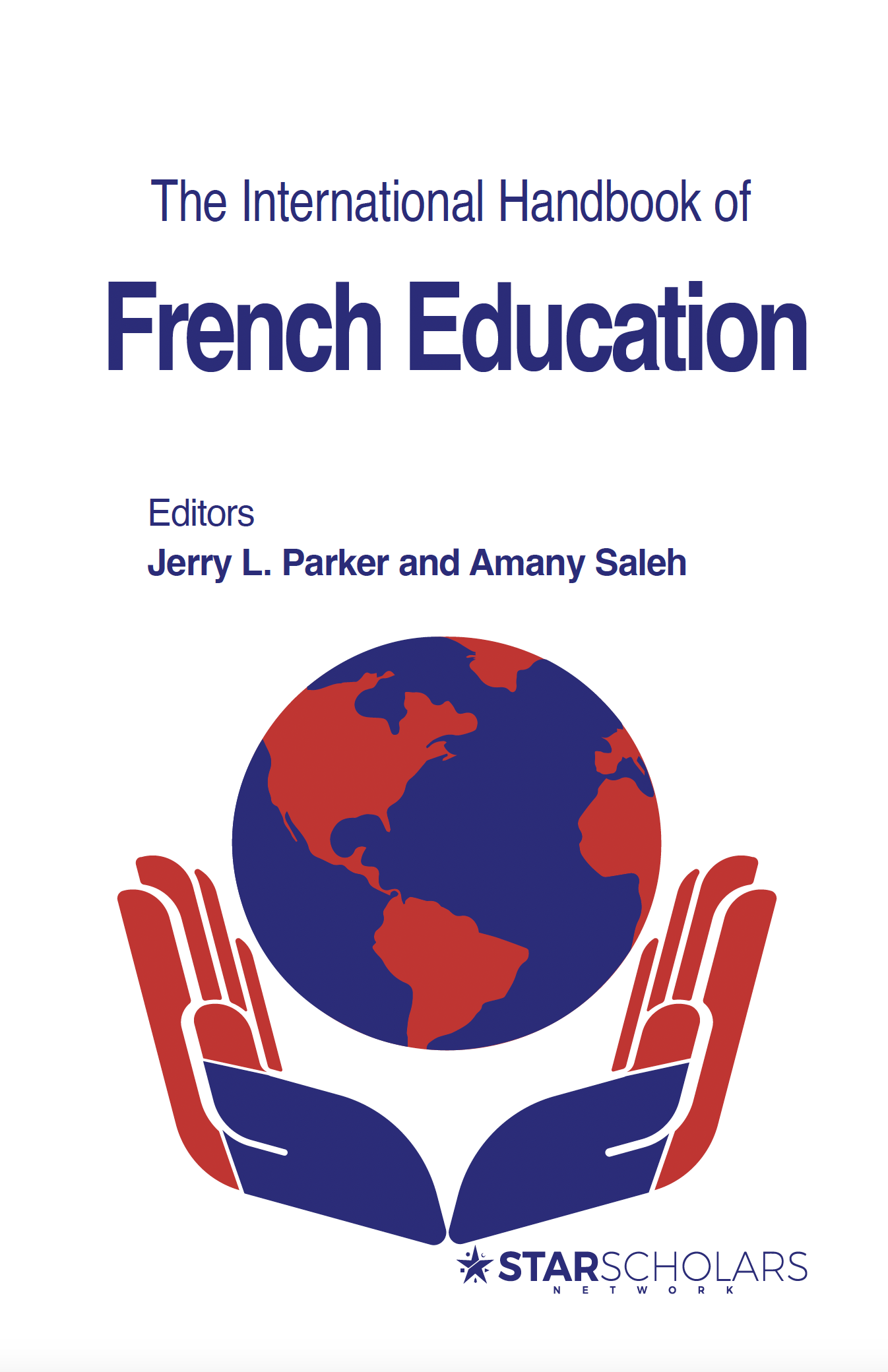
Publisher : STAR SCHOLARS PRESS
Published : May 15, 2024
The International Handbook of French Education is a comprehensive and diverse collection that gathers the insights of educators, students, and leaders from across the globe to explore the enduring value and future prospects of teaching French language and Francophone culture. This handbook features 13 chapters that showcase perspectives from researchers, practitioners, and stakeholders, shedding light on the continued significance of French education in an increasingly interconnected world. As French remains a language of diplomacy, culture, and education with a vast global presence, this volume underscores why its teaching and learning are of enduring importance.
Editors Jerry L. Parker, Ed.D. is an instructor in French, Spanish, and World Language Education in the Department of World Languages and Cultures at Southeastern Louisiana University, USA.
Amany Saleh, Ph.D., is a Professor of Curriculum and Instruction and Comparative Education at the Center of Excellence in Education at Arkansas State University, USA.
_____________________________
Print and digital copies are available.
_____________________________
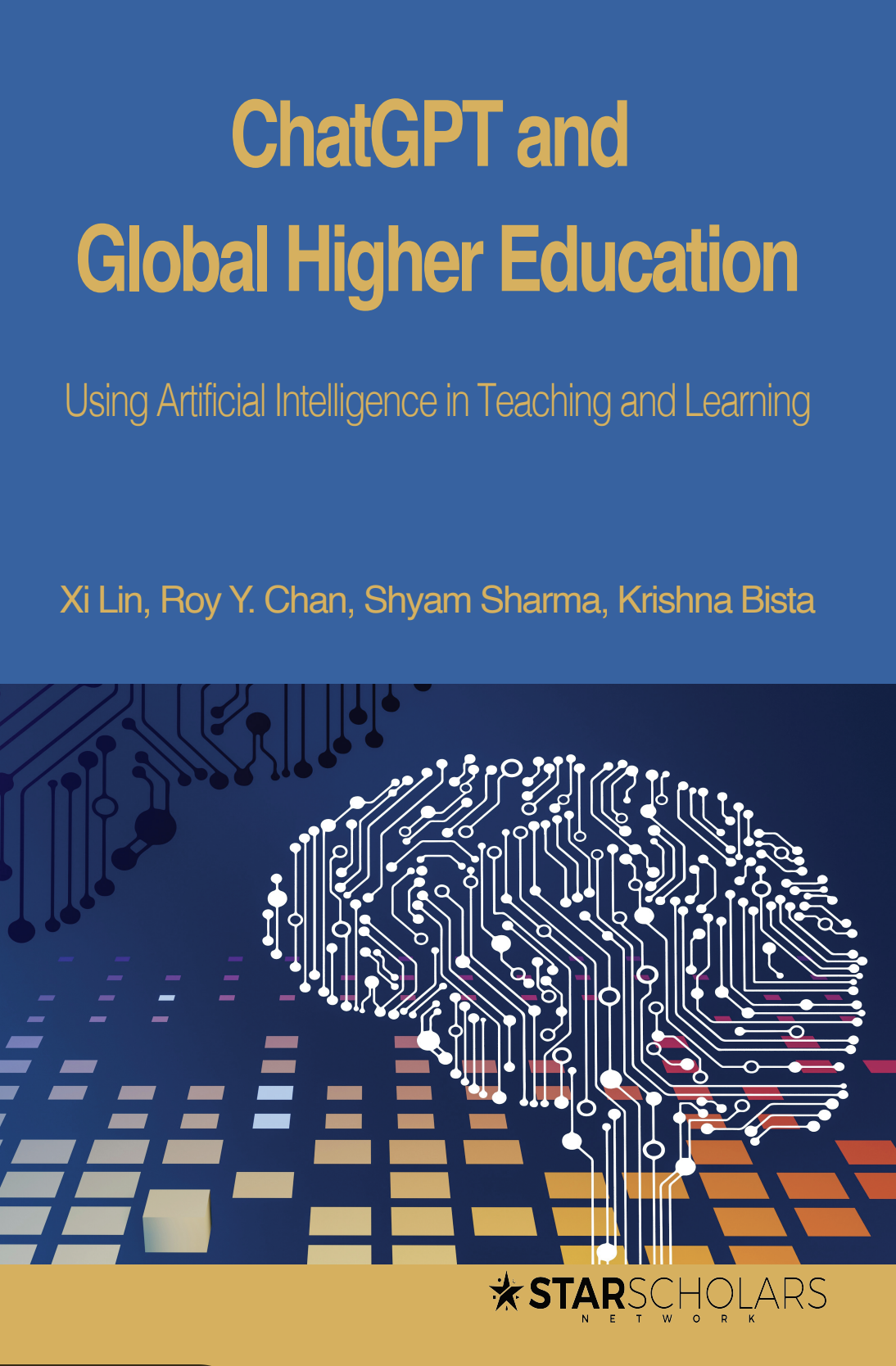
Publisher : STAR SCHOLARS PRESS
Published : May 13, 2024
The rise of artificial intelligence (AI) tools based on advanced language models, such as ChatGPT and Bard, is transforming industries and professions worldwide, and higher education is no exception. ChatGPT, an AI-powered chatbot developed by OpenAI, has created a substantial amount of conversation and controversy across academia regarding what generative AI means for teaching and learning in the classroom. There is plenty of speculation not only about how those innovations will affect the academic profession but also what unique opportunities and challenges they present to global higher education. In this book, authors delve into the impact of AI and ChatGPT on higher education leadership and management, examining potential opportunities and challenges that this innovative technology presents to teaching, research, program, and policy.
The primary purpose of this volume is to provide a comprehensive, research-driven analysis of AI chatbots’ roles in shaping institutions of higher education around the world. By exploring the transformative potential of ChatGPT in academic settings, this timely book aims to bridge the gap between technological innovation and its practical applications. In the long run, we anticipate that this volume will provide valuable insights and guidance for teacher-scholars, university administrators, and policymakers on leveraging this cutting-edge technology effectively and responsibly.
Edited By Xi Lin, Roy. Y Chan, Shyam Sharma, Krishna Bista
OPEN ACCESS BOOK Creative Commons License | CC BY-NC-ND Open access editions of this book can be accessed here This book is published as an open-access publication by STAR Scholars Press. The digital edition of this book is freely available to readers worldwide and may be accessed, downloaded, and shared without charge through the publisher’s website and scholarly discovery platforms.
Order hard copies | Open Access Book (free)
Table of Contents
Prologue Keeping the Human (Educator) in the Loop Matthew Salzano
Chapter 1
The Impact of Artificial Intelligence (AI) on Global Higher Education: Opportunities and Challenges of Using ChatGPT and Generative AI Xi Lin, Roy Y. Chan, and Shyam Sharma
UNIT 1
The Use of ChatGPT and AI in Global Higher Education: A Historical View of Current Innovations
Chapter 2 Considering the History of Technologies in Education, the Distinctiveness of AI Apps, and the Future of Educational Systems Kenneth J. Luterbach
Chapter 3 The Influence of ChatGPT on Student Learning Outcomes in Higher Education: A Meta-Analysis of the Initial Empirical Literature Yankun He and Leslie Cordie
Chapter 4 The Evolution of Technology in Education and the Emerging Role of Generative AI Abdulrahman Alsharif
Chapter 5 ChatGPT as a Pedagogical Tool for Decolonizing Curriculum Bhavika Sicka
UNIT 2
Effective Practices and Standards of ChatGPT Use: Lessons Learned and Recommendations for Colleges and Universities
Chapter 6 Transforming STEM Education: Leveraging ChatGPT for Enhanced Learning in Psychology and Neuroscience Lingfei Luan, Xi Lin, Yan Dai, Laura Allen, and Shanhua Hu
Chapter 7 Hearing Students’ Voices: Access, Use Patterns, and Attitudes toward Generative AI Technologies among Chinese Students Ling Angela Xia, Olivia Yiqun Sun, and Charlie Reis
Chapter 8 Using ChatGPT to Improve Access, Inclusion, and Equity in and Through English-Medium Instruction in Higher Education Thatcher A. Spero
Chapter 9 A Comparative Study of ChatGPT and Seq2Seq Chatbot for Effective Student Advising Suha Khalil Assayed, Manar Alkhatib, and Khaled Shaalan
UNIT 3
Policy Implications and Ethical Considerations: Assessment and Accountability in Higher Education
Chapter 10 Generative Creations, Code, and Data: How Intellectual Property Rights over Ownership, Use, and Image Apply to Higher Education Jeffrey C. Sun
Chapter 11 ChatGPT and Research Ethics Lisa M. Rubin
Chapter 12 ChatGPT on Student Learning Outcomes in Higher Education: A Meta-Analysis of Early Studies Bo Zhang
Chapter 13 Rethinking Assessment and Feedback: Adapting Evaluation Methods for the Age of Artificial Intelligence Allen Farina
Chapter 14 Artificial Intelligence in Undergraduate Assignments: An Exploration of the Effectiveness and Ethics of ChatGPT in Academic Work Luke Parker, Christopher W. Carter, Alice Karakas, A. Jane Loper, and Ahmad Sokkar
UNIT 4
Current Issues and Future Concerns about Teaching and Learning
Chapter 15 Communities of Practice and Preservice Teachers in the Rise of the Artificial Intelligence Era: ChatGPT as a Method of Inquiry and Reflection Gabriela Mocanu
Chapter 16 Unlocking the Promise of AI: Exploring the Crucial Role of Faculty Members’ Growth Mindset, Self-Efficacy, and University AI Policies: A Study at Vietnam National University, Hanoi Kim Manh Tuan, Pham Van Thuan, Duong Thi Hoang Yen, and Nguyen Phuong Huyen
Chapter 17 Creating Context-Specific Critical Incidents with ChatGPT for Effective Soft Skill Training Stephan Ruppert
Chapter 18 Applications of ChatGPT in Work-Based Learning Programs: Opportunities, Challenges, and Ethical Considerations Hon Jie Teo
