
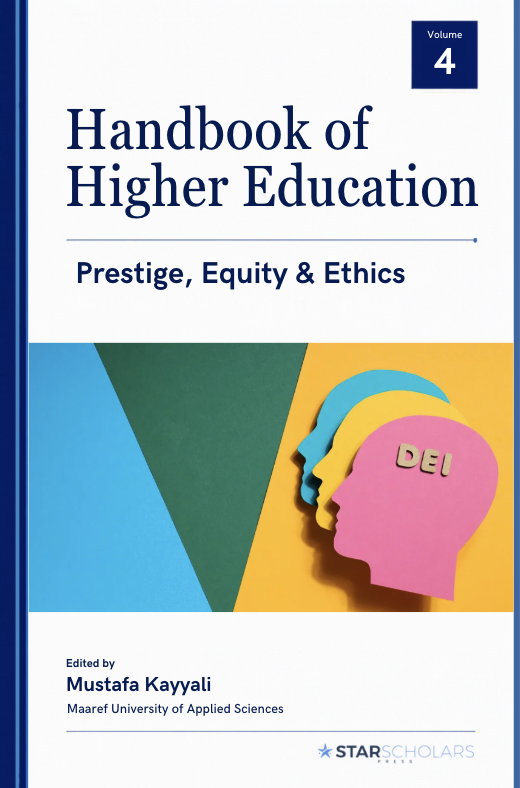
Understanding the Nature of Corruption and Some of Its Manifestations in the Jamaican Education System
STAR SCHOLARS PRESS
Published
Publication date :
September 3, 2026
Synopsis
This research examines the characteristics, origins, and expressions of corruption in Jamaica's education system, contextualizing it within wider regional and global frameworks. The research employed a qualitative document analysis methodology to thoroughly scrutinize reports, scholarly literature, and policy documents from international organizations, governmental publications, and reputable media outlets. The investigation revealed widespread corruption, encompassing nepotism, bribery, unjust promotions, and political meddling, which jeopardize institutional integrity and hinder equitable access to education. Research indicates that economic adversity, inadequate regulatory frameworks, pervasive clientelism, and the cultural acceptance of corrupt activities are primary catalysts of wrongdoing in the business. The research illustrates that corruption in education undermines public trust, distorts meritocracy, and obstructs national progress by reallocating resources away from quality enhancement efforts. Comparative regional assessments highlight that Jamaica's experiences reflect wider Commonwealth patterns, wherein inadequate accountability frameworks are associated with educational inefficiencies and diminished human capital results. The research indicates that addressing corruption necessitates a comprehensive approach rooted in openness, ethical education, meritocratic appointments, and legislative reform. Recommendations entail the establishment of an Education Integrity and Compliance Unit, the revision of obsolete regulatory frameworks, and the integration of anti-corruption education into civic curriculum. The research ultimately enhances policy discourse by associating corruption with educational sustainability, government reform, and Jamaica's enduring socio-economic resilience.
Copyright
Copyright (c) 2026 STAR SCHOLARS PRESS
