
Update Search
Categories
Series
Date
Update Search
Categories
Series
Date
1 - 3 of 3 items
Sort By
Publisher : STAR SCHOLARS PRESS
Published : November 11, 2022
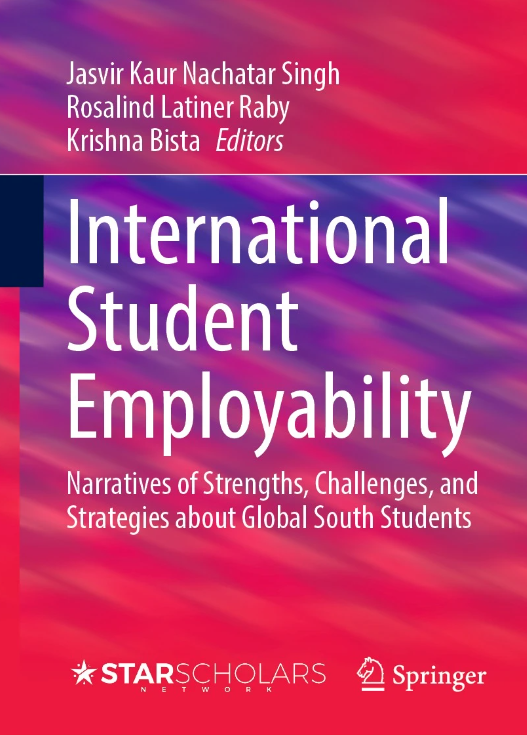
International Student Employability: Narratives of Strengths, Challenges, and Strategies from Global South Students examines how international undergraduate and graduate level students use their agency to make sense of what they are learning and how to apply that to employability in career pathways.
This book shows that understanding employability from a range of perspectives is important because governments need graduates with skills ready for the labor market, higher educational institutions are measured by the number of graduates to have gainful employment upon graduation, and international students use study abroad to gain the skills and competencies needed for employability. The chapters critically examine several themes including how students use their capabilities to navigate host country national political policies that define and re-define work permits, visas, and immigration. This includes awareness of national and international employment patterns, wicked problems from globalization, demands of changing labor markets, and adaptability for transversal job sectors. Finally, and of most importance is that the chapters use the lens of diverse student groups, including undergraduates, graduate, and doctoral students, international and domestic students, students who study in different HEI sectors (aka, TVET Colleges and universities), and in different academic programs, (aka STEAM, nursing, and humanities), and different geographies of where students come from and where they study. Such diversification showcases those experiences and relevance to employability are fundamentally different.
About the Editors
Rosalind Latiner Raby , Ph.D., is a Senior Lecturer at California State University, Northridge in the Educational Leadership and Policy Studies Department of the College of Education.
Jasvir Kaur Nachatar Singh , Ph.D., a Senior Lecturer at La Trobe University, Melbourne in the Department of Management, Sport and Tourism.
Krishna Bista , Ed.D. , is a Professor of Higher Education in the Department of Advanced Studies, Leadership and Policy at Morgan State University, Maryland.
Table of contents
About this book
Keywords
Editors and Affiliations
Publisher : STAR SCHOLARS PRESS
Published : August 9, 2026
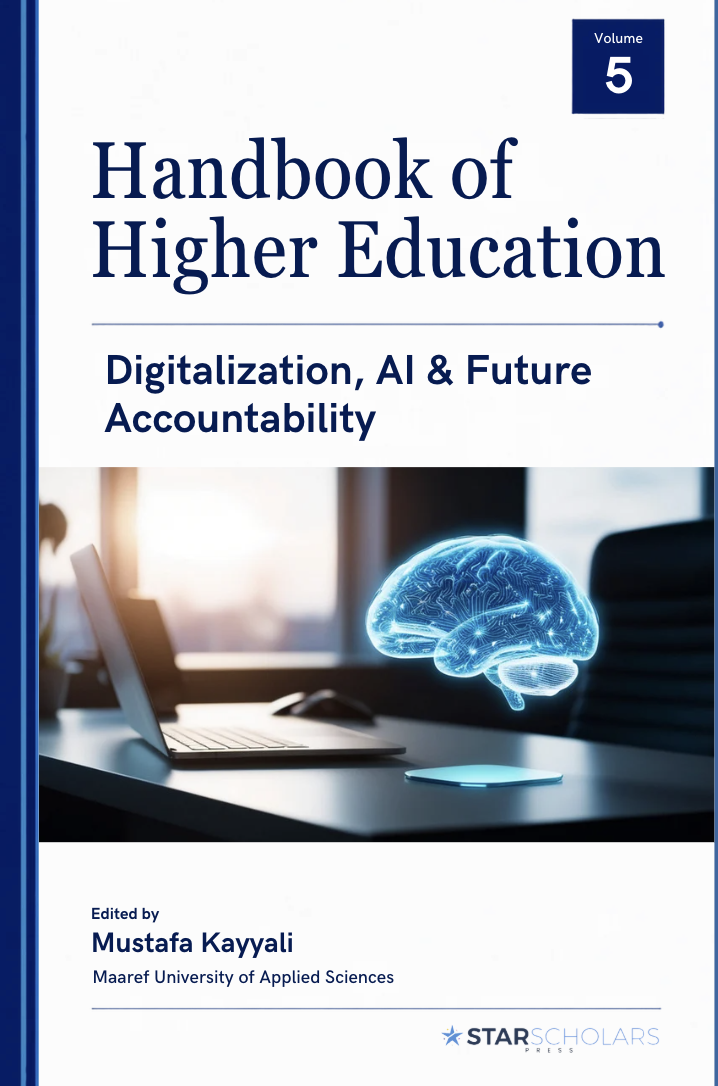
This volume analyzes digitalization, artificial intelligence, accreditation, rankings, and internationalization through the lens of future accountability in higher education. Ten chapters bring together Pacific, African, Asian, European, and broader Global South perspectives on prestige, inclusion, governance, and institutional transformation. The volume examines ethical foundations of academic reputation, inclusive quality assurance, accreditation as governance and political practice, ranking actors and algorithms, India’s National Education Policy 2020, borderless accreditation, Ubuntu-informed approaches to quality, flexible internationalization during systemic instability, and the movement from digitalization toward institutional smartness. Across these themes, the contributors challenge accountability models that privilege visibility, mobility, and standardized metrics over relationships, context, and public purpose. Intended for researchers, institutional leaders, accreditation and quality assurance professionals, policymakers, faculty, and graduate students, the volume argues that responsible transformation requires transparent data practices, context-sensitive standards, inclusive participation, and a critical understanding of how prestige systems distribute power and opportunity.
Publisher : STAR SCHOLARS PRESS
Published : June 24, 2022
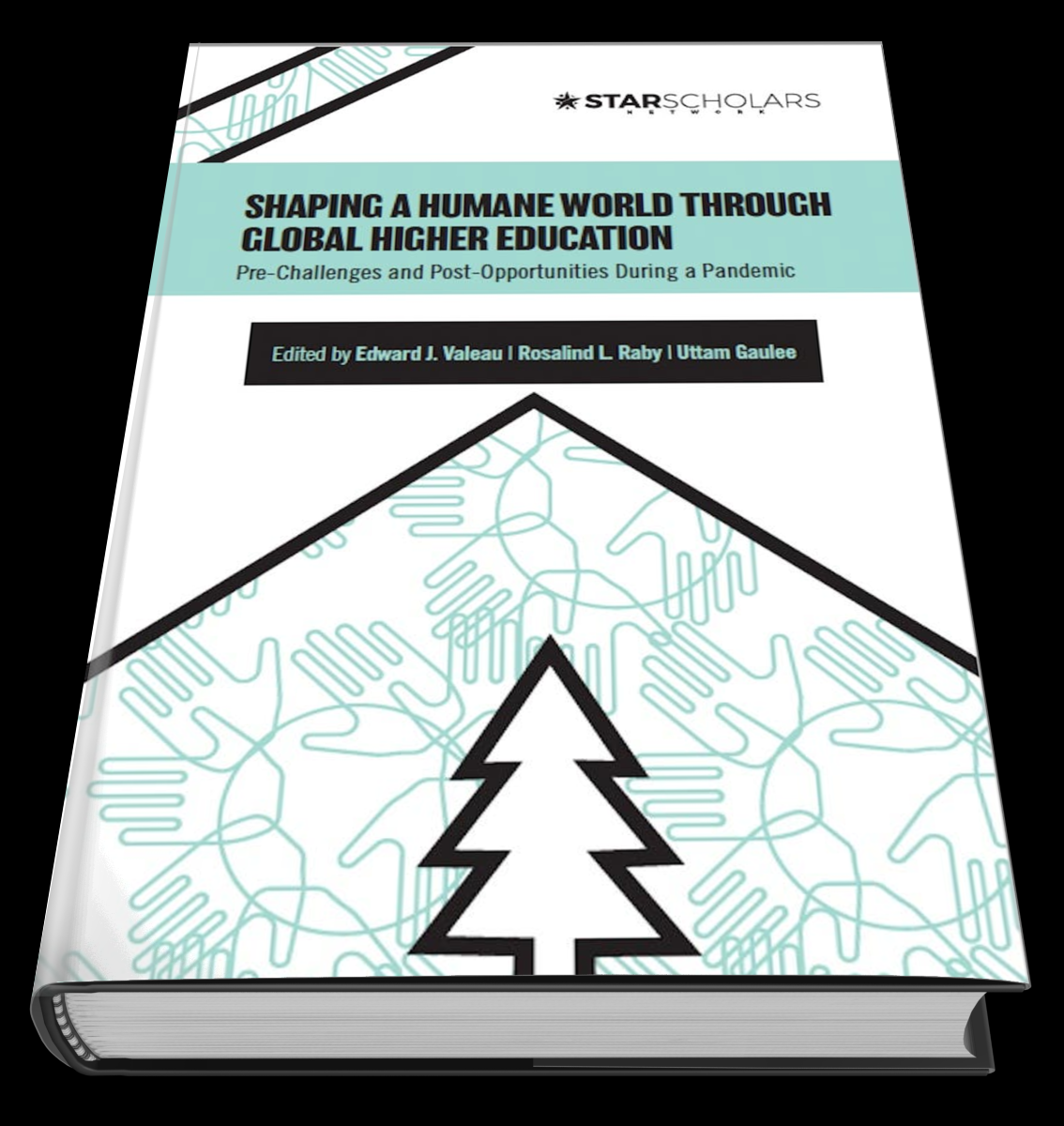
In this book, each author reflects on events since the conference that occurred during the writing of this book and shares their vision of what still needs to be addressed to advance issues of higher education leadership, training, student development, disability education, and relevant programming in countries around the world. Within these discussions are targeted discussions on how to address some of the critical issues of our time, including a focus on access, diversity, and inclusion as elements intended to frame a just and fair Humane World. The authors represent five countries: Australia, Kenya, Malaysia, Nepal, and the United States. Their voices represent issues important in both the Global North and the Global South and what in particular is needed to design essential policies and training required to achieve success.
Order digital/print copies here.
by Edward J. Valeau (Editor), Rosalind L. Raby (Editor), Uttam Gaulee (Editor), Stewart Sutin (Preface)
