
Update Search
Categories
Series
Date
Update Search
Categories
Series
Date
1 - 5 of 5 items
Sort By

Publisher : STAR SCHOLARS PRESS
Published : September 3, 2026
This volume analyzes digitalization, artificial intelligence, accreditation, rankings, and internationalization through the lens of future accountability in higher education. Ten chapters bring together Pacific, African, Asian, European, and broader Global South perspectives on prestige, inclusion, governance, and institutional transformation. The volume examines ethical foundations of academic reputation, inclusive quality assurance, accreditation as governance and political practice, ranking actors and algorithms, India’s National Education Policy 2020, borderless accreditation, Ubuntu-informed approaches to quality, flexible internationalization during systemic instability, and the movement from digitalization toward institutional smartness. Across these themes, the contributors challenge accountability models that privilege visibility, mobility, and standardized metrics over relationships, context, and public purpose. Intended for researchers, institutional leaders, accreditation and quality assurance professionals, policymakers, faculty, and graduate students, the volume argues that responsible transformation requires transparent data practices, context-sensitive standards, inclusive participation, and a critical understanding of how prestige systems distribute power and opportunity.
Series : 1
Publisher : STAR SCHOLARS PRESS
Published : August 9, 2026
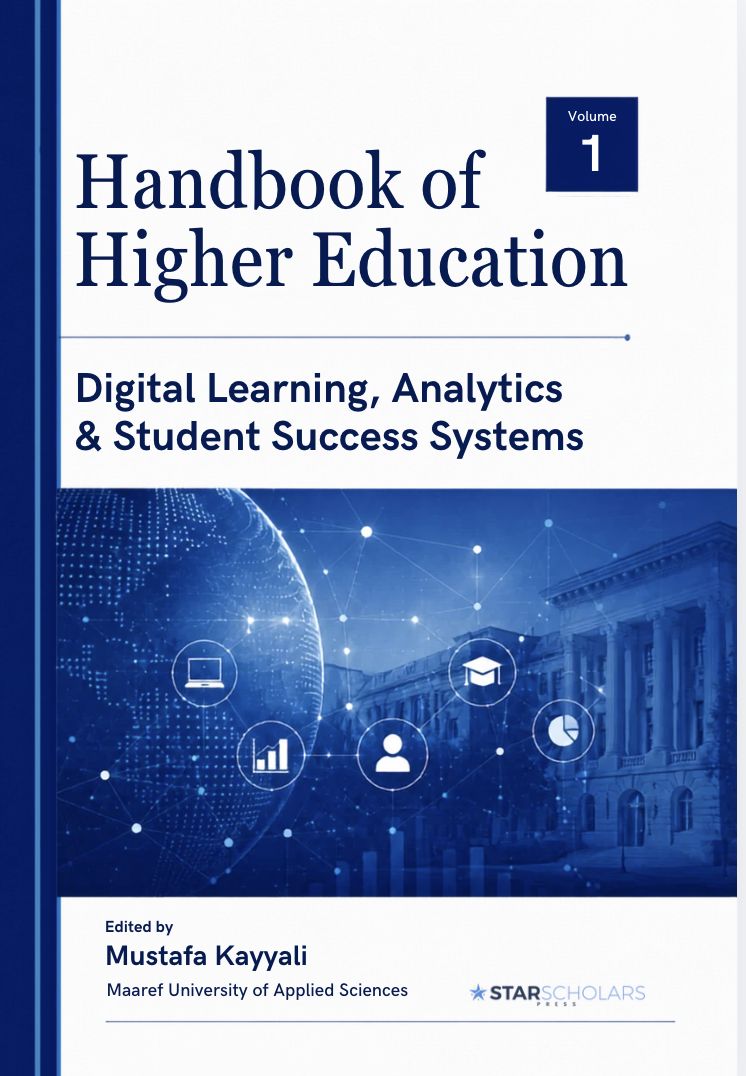
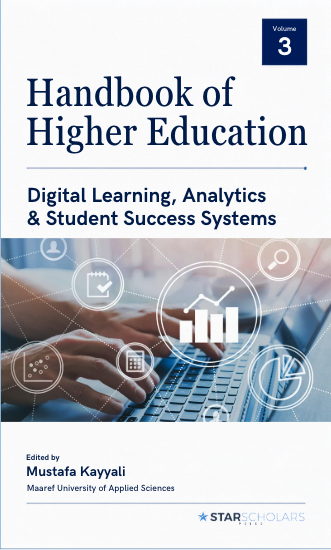
This volume examines how digital learning, analytics, and student success systems are quietly rewriting the inner grammar of higher education. It looks beyond platforms as tools and asks what happens when learning becomes traceable, adaptive, and continuously interpreted through data. The chapters explore online and hybrid learning, predictive analytics, advising systems, student engagement, retention, and the ethical use of educational data. At its core, the volume asks a difficult question: can institutions use digital intelligence to support students without reducing them to dashboards? The answer, unsurprisingly, is complex, hopeful, and sometimes unsettling.
Publisher : STAR SCHOLARS PRESS
Published : August 9, 2026
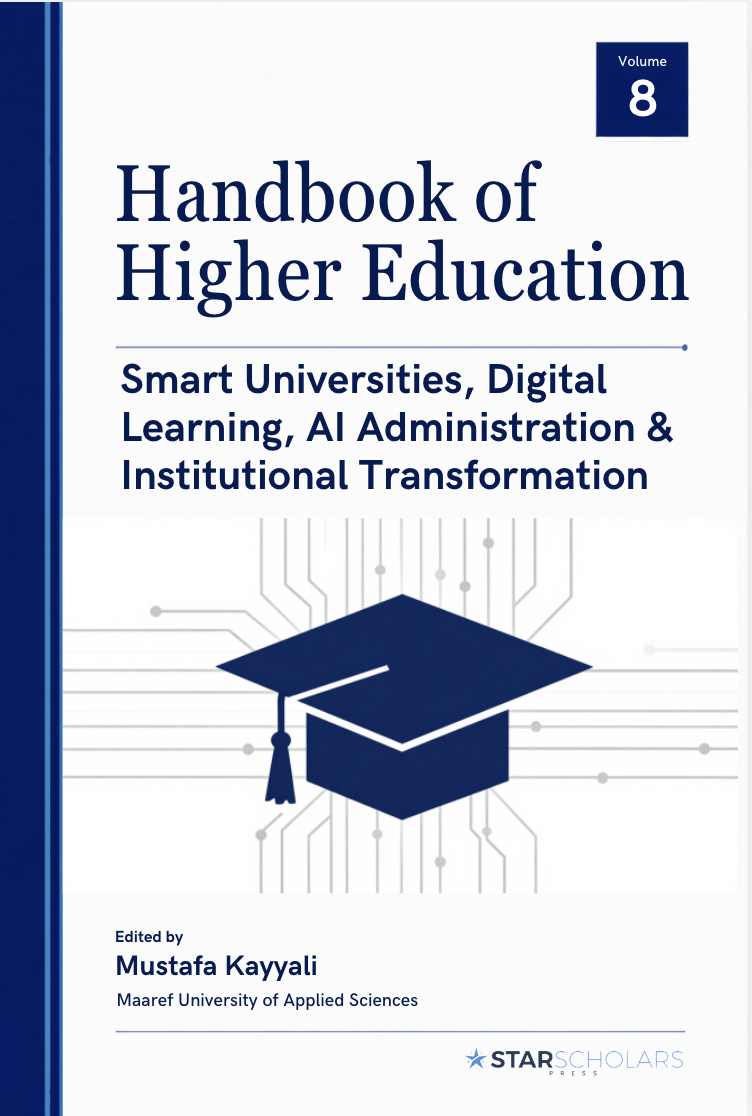
This volume examines the transformation of higher education through smart university models, digital learning, artificial intelligence, and administrative innovation. Twelve chapters connect global collaboration, adaptive learning in sports education, responsible AI feedback, decentralized and hybrid pedagogy, institutional digital transformation, faculty role change, student online experiences, academic quality, teaching capital, and AI-driven university administration. The contributors combine conceptual reviews, empirical cases, governance analysis, and practice-oriented frameworks from diverse geographic and institutional contexts. Rather than treating smartness as a collection of technologies, the volume asks how universities can integrate data, automation, learning platforms, and intelligent systems while protecting equity, trust, privacy, and professional judgment. It highlights student experience and faculty capability as critical tests of whether digital transformation creates genuine educational value. Intended for researchers, university leaders, faculty, quality assurance professionals, policymakers, administrators, IT teams, and graduate students, the volume argues that smart universities must be designed as humane, accountable, and continuously learning institutions.
Publisher : STAR SCHOLARS PRESS
Published : August 9, 2026
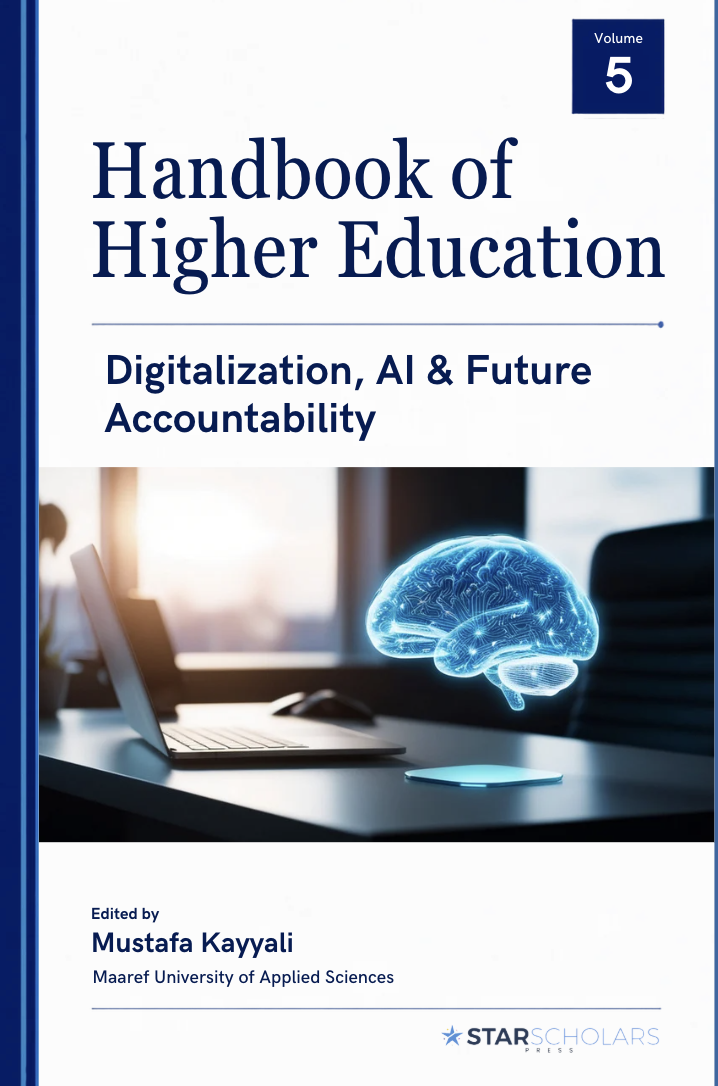
This volume analyzes digitalization, artificial intelligence, accreditation, rankings, and internationalization through the lens of future accountability in higher education. Ten chapters bring together Pacific, African, Asian, European, and broader Global South perspectives on prestige, inclusion, governance, and institutional transformation. The volume examines ethical foundations of academic reputation, inclusive quality assurance, accreditation as governance and political practice, ranking actors and algorithms, India’s National Education Policy 2020, borderless accreditation, Ubuntu-informed approaches to quality, flexible internationalization during systemic instability, and the movement from digitalization toward institutional smartness. Across these themes, the contributors challenge accountability models that privilege visibility, mobility, and standardized metrics over relationships, context, and public purpose. Intended for researchers, institutional leaders, accreditation and quality assurance professionals, policymakers, faculty, and graduate students, the volume argues that responsible transformation requires transparent data practices, context-sensitive standards, inclusive participation, and a critical understanding of how prestige systems distribute power and opportunity.
Publisher : STAR SCHOLARS PRESS
Published : August 6, 2026
This volume investigates the powerful, often uncomfortable world of rankings, metrics, visibility, and institutional reputation. It asks how universities become legible to the world, and what they may lose when visibility becomes a governing ambition. The chapters examine performance indicators, bibliometrics, global ranking systems, reputation economies, data strategies, and international positioning. Yet the volume does not treat metrics as villains. They can illuminate, compare, and provoke improvement. Still, numbers have moods of their own. They reward certain behaviors, silence others, and reshape institutional imagination. This volume invites a more careful, ethically alert engagement with measurement.
