
Update Search
Categories
Series
Date
Update Search
Categories
Series
Date
26 - 50 of 56 items
Sort By
Publisher : STAR SCHOLARS PRESS
Published : August 9, 2026
Order your copies: Print Hardcover | ebook | Amazon | Google Books | Other Distributors
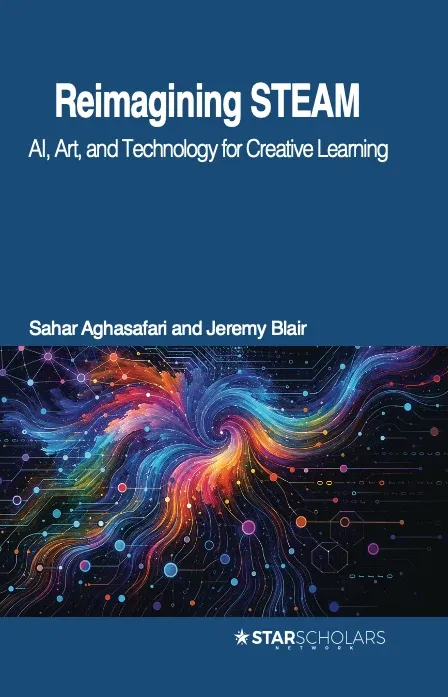
Reimagining STEAM: AI, Art, and Technology for Creative Learning examines the evolving intersections of artificial intelligence, art, technology, and interdisciplinary learning within contemporary STEAM education. Bringing together theoretical perspectives, empirical research, classroom practices, and critical inquiry, the volume explores how emerging technologies and arts-based approaches can support creativity, human agency, interdisciplinary thinking, and innovative pedagogy. Across diverse educational contexts, the chapters address human–AI interaction, visual metaphor, science communication, storytelling, media arts, sustainability, game design, creative identity, and AI-integrated art education. The volume also considers the ethical, cultural, and pedagogical implications of emerging technologies, emphasizing the importance of human-centered and reflective approaches to technological integration. Collectively, the contributions position the arts as central to STEAM education and offer educators, researchers, and practitioners perspectives and practices for developing creative, inclusive, and future-oriented learning environments.
Table of Contents
Introduction
Reimagining STEAM through AI, Art, and Technology Sahar Aghasafari & Jeremy Blair
Section I: Foundations and Theoretical Perspectives
Conceptual frameworks, pedagogy, human–AI interaction, and theoretical grounding
Chapter 1
Empowering Human Agency in Transdisciplinary STEAM through Artificial Intelligence Guey-Meei Yang
Chapter 2
Human–Machine Interplay: Visual Metaphor in STEAM Pedagogy Hsiao-Ping Chen & Guey-Meei Yang
Section II: Interdisciplinary Learning, Science Communication, and Applied STEAM Practices
Empirical research, interdisciplinary projects, storytelling, design-based learning, and science communication
Chapter 3
Structuring Science Through Story: Visual and Animated Narratives of Protein Folding in Undergraduate STEAM Research Sahar Aghasafari, Li Cai, Mark Malloy, Sara Luis, Earl Jasper Gerona & Sergio González-Eulogio
Chapter 4
Designing Tomorrow: Empowering Youth to Build Sustainable Futures through Storytelling, Media Arts, and Minecraft Sahar Aghasafari & Mark Malloy
Section III: Creativity, Identity, and Classroom Innovation
Creative pedagogy, identity, classroom experimentation, reflective practice, and AI in art education
Chapter 5
Resonant Pedagogies: Craft, Care, and Creative Risk in STEAM Classrooms Krystian K. Ramlogan
Chapter 6
(Re)Playing Self: Autoethnographic Game Design in the Art Classroom Jeremy Blair
Chapter 7
Art Meets AI: Opportunities and Challenges in the Art Classroom Jeremy Blair
Section IV: Global and Critical Futures in STEAM
Global perspectives, ethics, speculative futures, critical inquiry, and emerging directions in AI-integrated education
Chapter 8
Global Perspectives on AI-Driven STEAM Pedagogy Ambika Hanchate
Chapter 9
Imagining Futures: Art, Algorithms, and the Weight of Inherited Worlds Jeremy Blair & Sahar Aghasafari
Conclusion
Future Directions for AI, Art, and Technology in STEAM Education Sahar Aghasafari & Jeremy Blair
Publisher : STAR SCHOLARS PRESS
Published : April 21, 2023
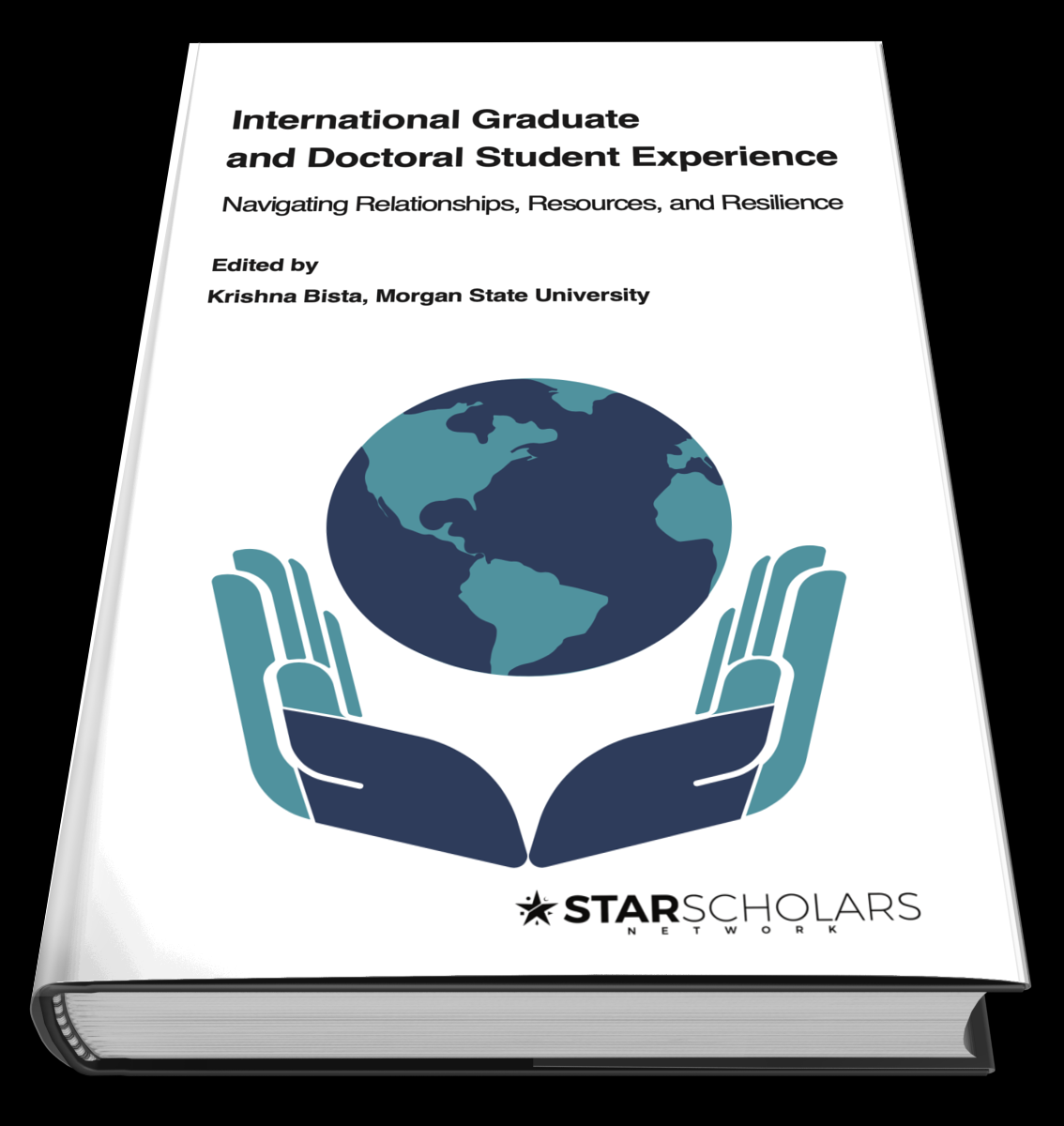
This book offers a comprehensive examination of the experiences of international students as they navigate the complexities of studying and living in a foreign country while pursuing their graduate studies. It delves into the challenges faced by these students, including cultural differences, language barriers, and the impact of COVID-19, and provides insights into how these challenges can be overcome. Through a range of narratives and empirical studies, the book offers a deeper understanding of the socialization experiences of international graduate students, their advising relationships, career employability challenges, and their resilience in the face of adversity.
Oder Hardcopies Here | Digital Copies Here
Publisher : STAR SCHOLARS PRESS
Published : January 10, 2026
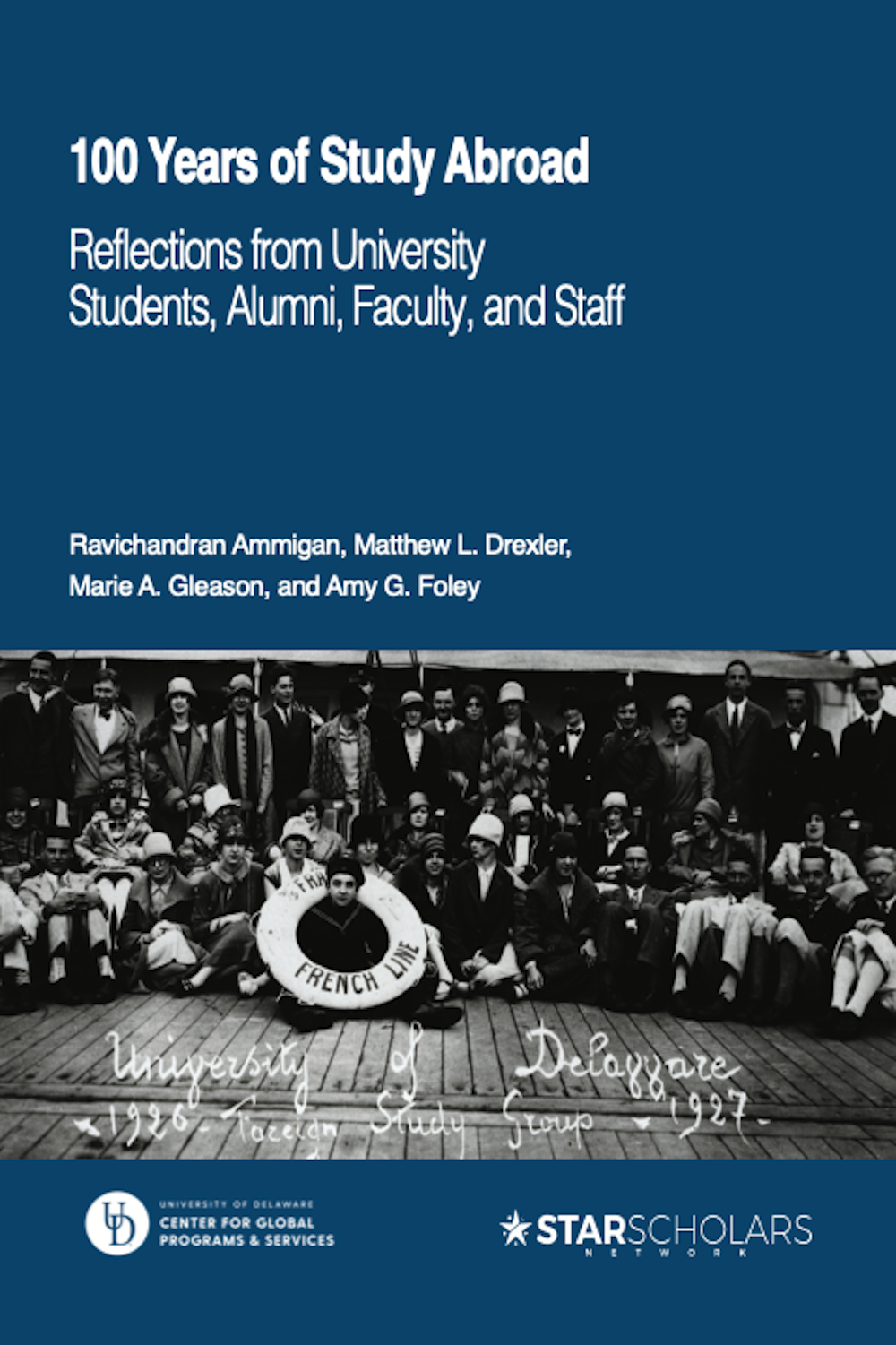
This volume presents a diverse collection of short personal essays that illuminate the experiences of study abroad students, alumni, faculty, and staff as they reflect on the lasting impact of their intercultural encounters and interactions in new environments and communities around the world. The stories explore themes ranging from culture shock and adaptation to resilience and personal growth, revealing how individuals gain new perspectives and develop deeper self-awareness by stepping outside their comfort zones. The authors share moments of perseverance and discovery, the challenges of building connections across cultures, and the rewards of learning and living in unfamiliar settings. Current and former students, in particular, describe their journeys of personal and academic growth through immersive coursework, internships, and community engagement, despite the initial hurdles of adjusting to new norms and expectations. This collection of reflective essays takes readers on a journey alongside those who have lived the study abroad experience while also offering insights from international educators and university administrators who design, direct, and support these programs at the University of Delaware—home to the nation’s first study abroad program for over a century.
OPEN ACCESS BOOK Creative Commons License | CC BY-NC-ND Open access editions of this book can be accessed here This book is published as an open-access publication by STAR Scholars Press . The digital edition of this book is freely available to readers worldwide and may be accessed, downloaded, and shared without charge through the publisher’s website and scholarly discovery platforms. Download Open Access Book (Free) | Hardcover (Print)
About the Editors
Ravichandran Ammigan, Ph.D. , serves as Vice Provost for Global Engagement and Senior International Officer at the University of Delaware. With 25 years of experience in the field of international higher education, he is responsible for leading the institution’s internationalization strategy and global engagement portfolio. He holds a secondary faculty appointment as Associate Professor in the School of Education, where his main research focuses on the academic, social, and cultural experiences of students in higher education worldwide. Dr. Ammigan has published numerous research articles, co-edited several books, and is a regular speaker at conferences internationally.
Matthew L. Drexler, M.A., serves as Director of Study Abroad at the University of Delaware, an operation that supports more than 125 faculty-led and semester education abroad programs each year. Matt has more than 17 years of experience facilitating international exchange and collaboration, and currently oversees collaborative efforts to internationalize UD’s campus through international mobility and internationalization at home programs. He also manages the evaluation and assessment of the study abroad student experience at UD and leverages that data to drive strategic efforts to expand and improve global programming at the university.
Marie A. Gleason, M.A., is a Senior Study Abroad Program Coordinator in the Center for Global Programs and Services at the University of Delaware. During her 24-year career in international education at the University, she has coordinated over 150 study abroad programs, supporting students and faculty in developing transformative global experiences. She also administers the Study Abroad Office’s need-based scholarship program and collaborates with academic departments to design and implement sustainable education abroad initiatives, including faculty-led and semester programs.
Amy G. Foley, Ed.D., serves as Director for Global Outreach and Partnerships at the University of Delaware. She is the founding director of the UD World Scholars Program and oversees the strategic coordination of international partnerships and agreements at the Center for Global Programs and Services. Dr. Foley brings over 35 years of knowledge as a higher education professional. She earned a B.A. in Communications from the University of Miami, a certificate in Museum Studies from the International University of Art in Florence, Italy, an M.A.T. in Museum Education from The George Washington University, and an Ed.D. in Educational Leadership from the University of Delaware.
Publisher : STAR SCHOLARS PRESS
Published : May 15, 2024
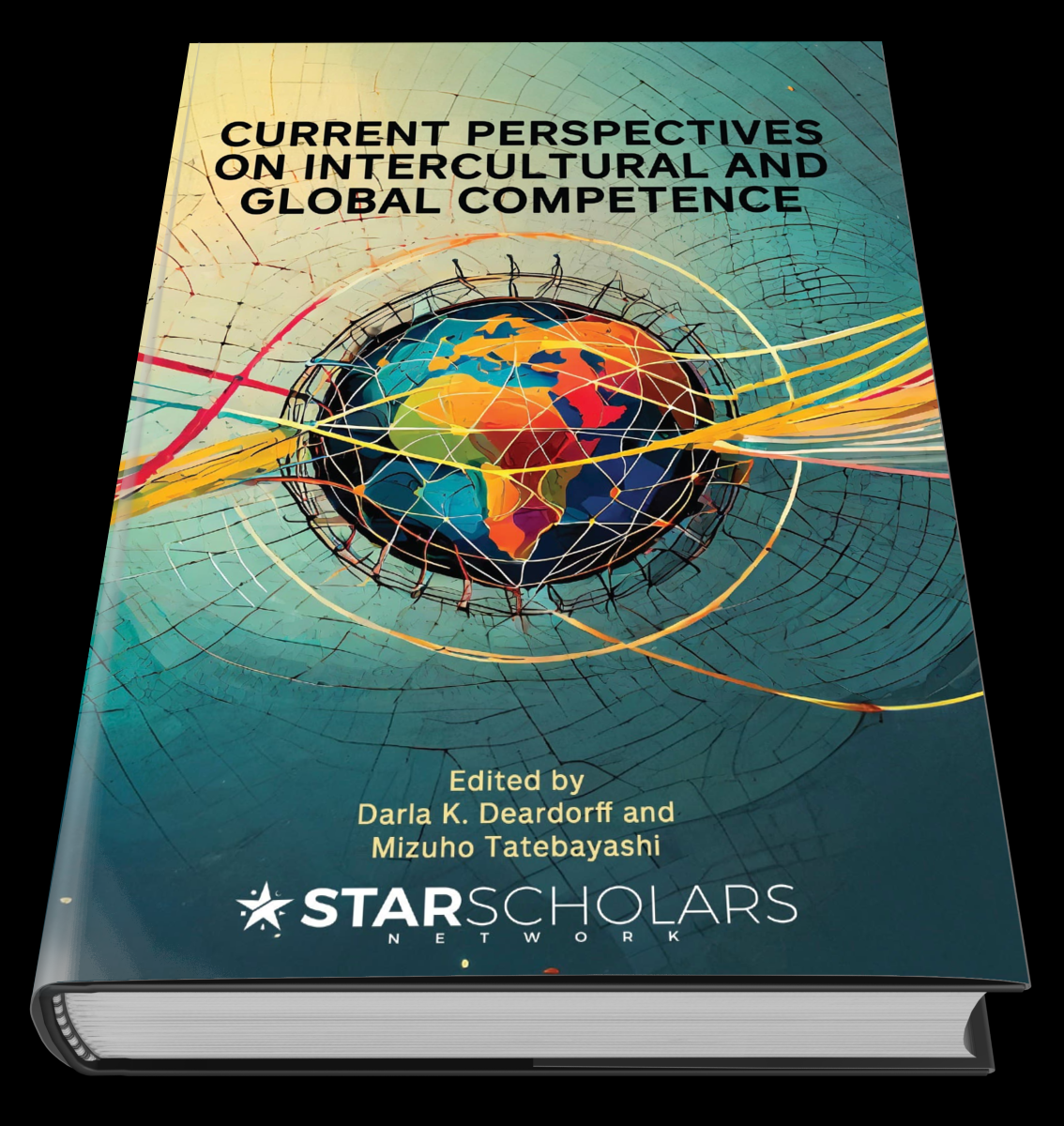
Current Perspectives on Intercultural and Global Competence offers a compelling exploration of the evolving landscape of intercultural and global competence through a variety of lenses. This insightful book delves into the complexities of navigating the practical implications of getting along together across difference and similarity. With collective contributions from scholars and practitioners worldwide, this book presents a diverse array of perspectives from different disciplines, contexts, languages, and cultures. Through rich discussion and insights, contributors to this book invite readers to engage in delving further into the complexities of the crucial understanding needed to thrive in today’s interconnected and yet often polarized world.
Editors
Dr. Darla K. Deardorff is Founding President of the World Council on Intercultural and Global Competence. She is also the UNESCO Chair on Intercultural Competence at Stellenbosch University (South Africa) as well as appointed faculty at other universities in Japan, China, the US and Canada. She has worked in the international education field for thirty years and is the author/editor of 14 books and over 60 other publications including the seminal work on intercultural competence, Sage Handbook of Intercultural Competence as well as the open access UNESCO Manual on Developing Intercultural Competence: Story Circles. Regularly invited to speak around the world, she is working on the intersections of intercultural competence with peacebuilding, gender equality and climate action.
Mizuho Tatebayashi, a Japanese scholar-practitioner, who is enthusiastic about intercultural communication and international education. Her roots lie in Japan, yet she had the privilege to explore outside the country during her undergraduate years, where she discovered the transformative power of cross-cultural experiences. As a doctoral student in North Carolina State University's Educational Psychology program, her focus centers on the development of intercultural competence and fostering enriching learning environments. She currently serves as an Executive Fellow at the World Council on Intercultural and Global Competence.
OPEN ACCESS BOOK | CC BY-NC-ND Open access editions of this book can be accessed here . The open access edition of this book is freely available to readers worldwide and may be accessed, downloaded, and shared without charge through the publisher’s website and scholarly discovery platforms.
Order print copies here | Open Access Book (Free)
Publisher : STAR SCHOLARS PRESS
Published : August 15, 2026
Order your copies: Print Hardcover | ebook | Amazon | Google Books | Other Distributors
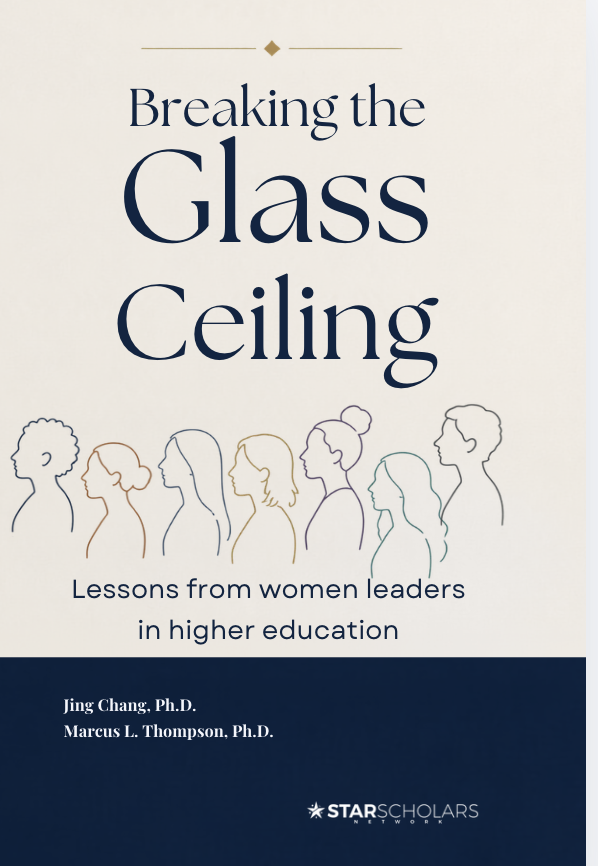
Women make up the majority of college students and advanced-degree holders. So why do they still lead only about one in three universities, and far fewer of the most powerful ones?
Breaking the Glass Ceiling answers that question the way it deserves to be answered: through the people who lived it. Here are seven women who reached senior leadership at a public university in the American South, three African American and four born in China, ranging from a dean in her seventies who helped desegregate her high school in 1963 to a young professor still proving she belongs. In their own candid words, they describe the mentors who pulled them up, the discrimination they outlasted, the families they refused to sacrifice, and the institutions they quietly rebuilt.
From their experience, the authors distill a clear and teachable model, the Three Core Layers of women's leadership, and a clear-eyed account of why so few women reach the top and what would actually change that. Rigorous enough for the seminar and human enough for the nightstand, this is both a study and a map.
Jing Chang, Ph.D. Marcus L. Thompson, Ph.D.

Publisher : STAR SCHOLARS PRESS
Published : May 20, 2023
Curriculum Theory and Pedagogy for Student Mobility – an edited collection of international research – seeks to examine how curriculum theory within different social, political, and cultural contexts can be actuated to advance equity and diversity, plus supportive and inclusive outcomes in international student education. A comprehensive volume, it contours a holistic interdisciplinary landscape of the field. The book draws upon both a broad range of curriculum-related theoretical frameworks and multiple perspectives to offer a diverse spectrum of examples about the many challenges and complexities involved in not only theorizing about, but doing the work of, educating international students in institutions of higher education. Additionally, the book provides a strong pedagogical framework for enhanced teaching practices, as well as new avenues for research in international student education. Drawing upon the expertise of contributors from varied backgrounds, identities, fields, and positionalities, the assembled chapters elucidate contemporary curriculum theory and its foundations and uses and analyzes its potential in international education. Equally, theoreticians and practitioners, both, offer valuable insights into conceptualizing, strategizing, and applying curriculum theory-driven research and proven practices for the advancement of the field of international student education.
Order Hardcopies || Download E-books
Publisher : STAR SCHOLARS PRESS
Published : March 1, 2023
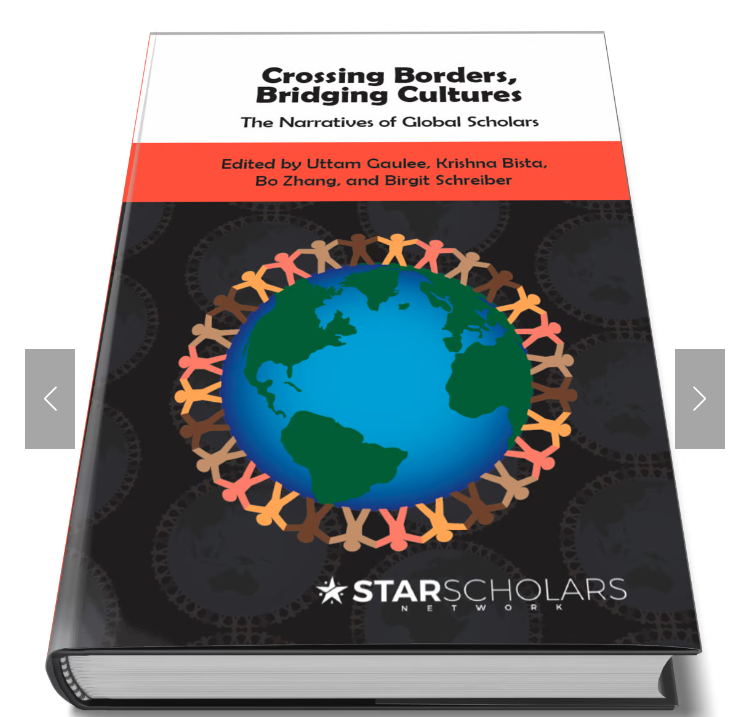
Crossing Borders, Bridging Cultures: The Narratives of Global Scholars is a compelling and insightful collection of personal accounts from scholars worldwide. Through their experiences, the book provides a unique perspective on the challenges and triumphs of academic life in different cultures, highlighting the diversity and richness of the global academic community. From navigating language barriers and adapting to new environments to confronting cultural differences and promoting cross-cultural understanding, these stories are powerful messages of unity and cooperation in the face of adversity.
You can order digital copies and hardcopies here
Publisher : STAR Scholars (March 1, 2023)
Editors : Uttam Gaulee, Krishna Bista, Bo Zhang, Birgit Schreiber
Publisher : STAR SCHOLARS PRESS
Published : June 24, 2022
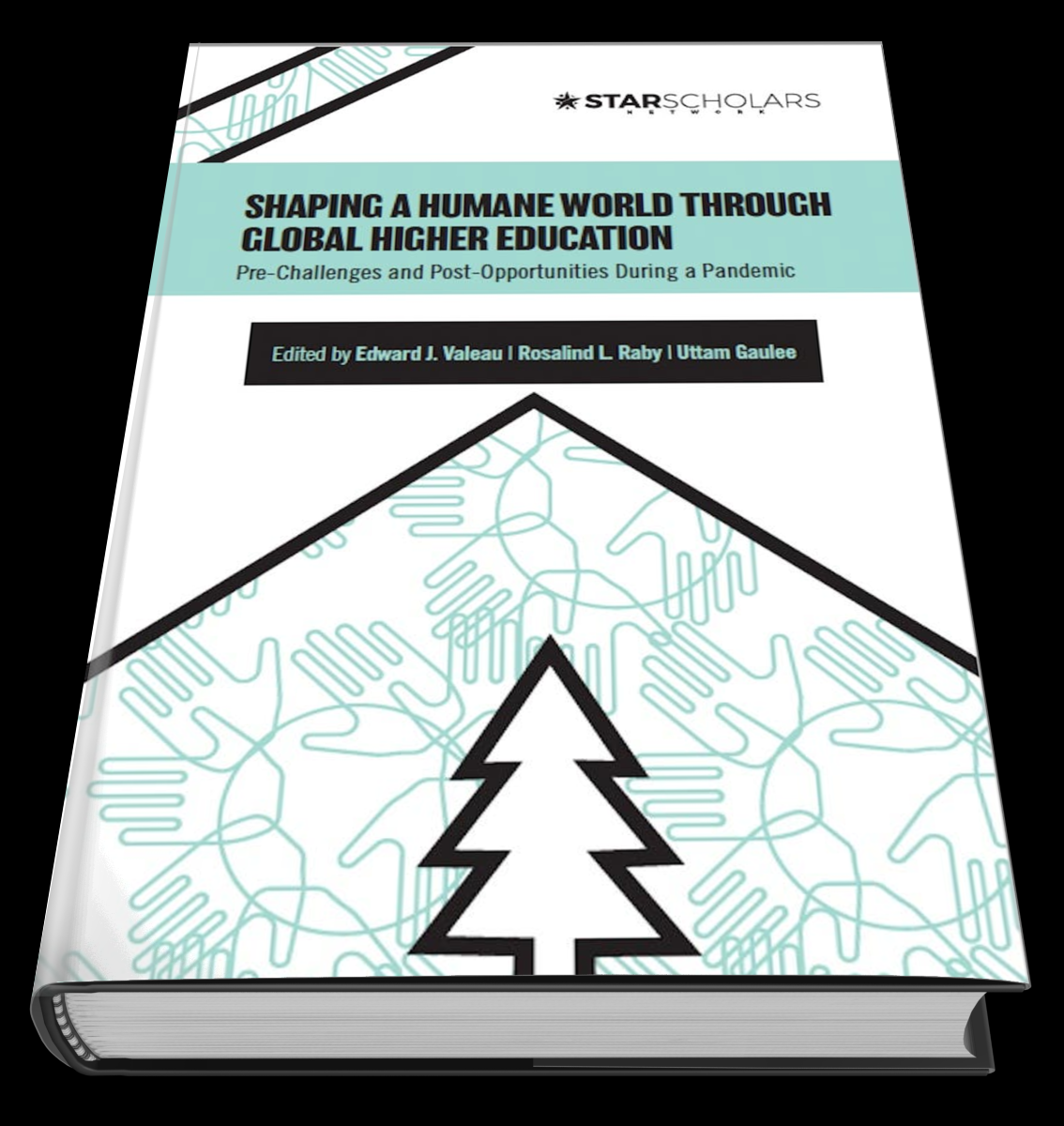
In this book, each author reflects on events since the conference that occurred during the writing of this book and shares their vision of what still needs to be addressed to advance issues of higher education leadership, training, student development, disability education, and relevant programming in countries around the world. Within these discussions are targeted discussions on how to address some of the critical issues of our time, including a focus on access, diversity, and inclusion as elements intended to frame a just and fair Humane World. The authors represent five countries: Australia, Kenya, Malaysia, Nepal, and the United States. Their voices represent issues important in both the Global North and the Global South and what in particular is needed to design essential policies and training required to achieve success.
Order digital/print copies here.
by Edward J. Valeau (Editor), Rosalind L. Raby (Editor), Uttam Gaulee (Editor), Stewart Sutin (Preface)

Publisher : STAR SCHOLARS PRESS
Published : March 11, 2021
This book provides readers with a unique opportunity to walk a mile in the shoes of an international student. It also highlights the importance of a strong support system for students in both the curricular and co-curricular settings and offers insights to international educators and university administrators into creating a welcoming environment that fosters international understanding and cross-cultural awareness on campus.
Edited by Ravichandran Ammigan Published : March 2021, STAR Scholars
Digital copies | Print copies available
Publisher : STAR SCHOLARS PRESS
Published : December 14, 2023
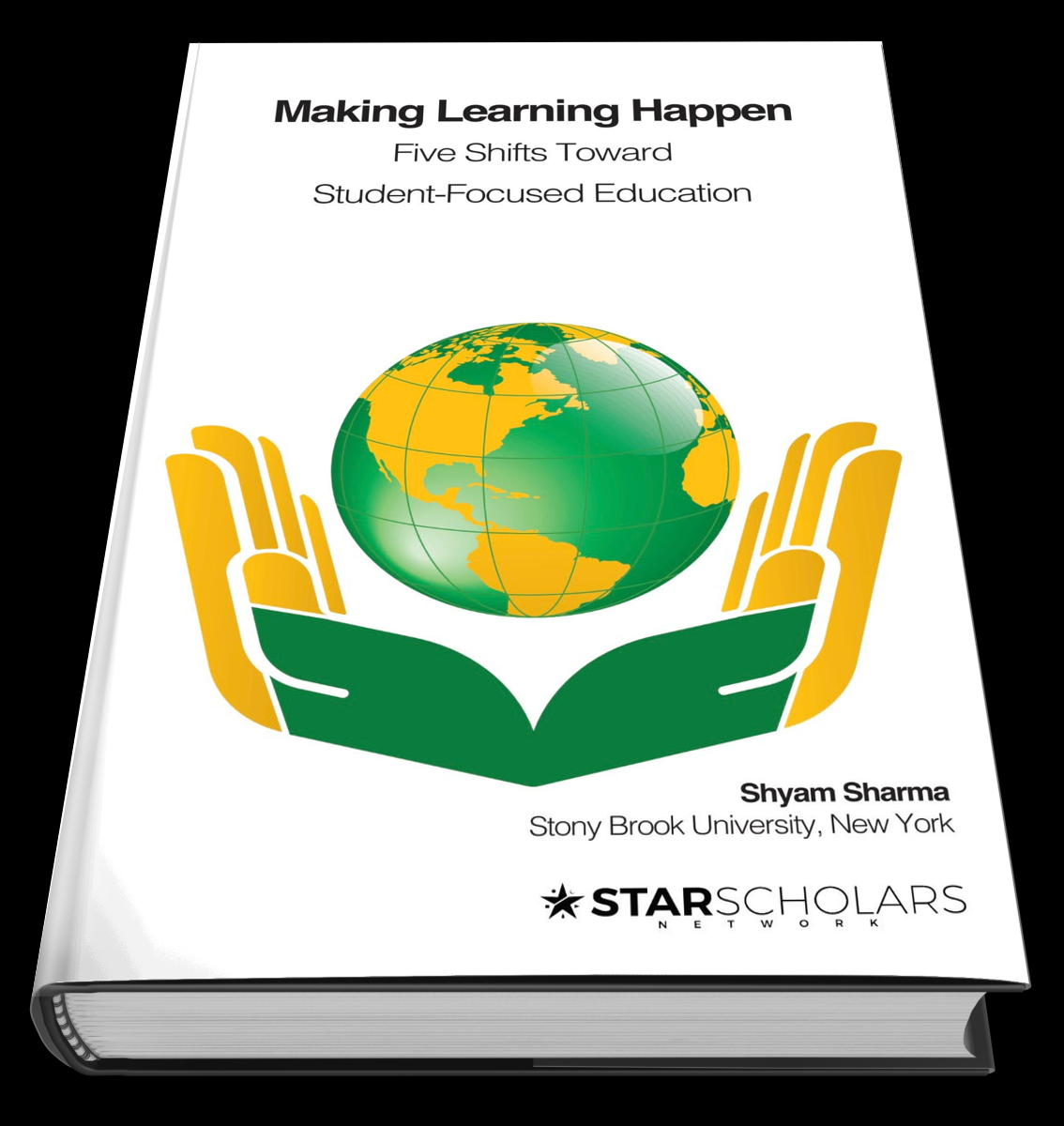
This book is a valuable resource for educators seeking to shift toward a more student-centered, student-engaged education. Drawing on the author's own experiences and research, the book provides practical strategies ranging from making class meetings more student-focused to engaging diverse stakeholders. The book translates teaching methods and strategies into concrete, actionable forms that are also meant to help students not only succeed but also prepare for successful careers. While recognizing the challenges faced in different educational contexts, the handbook encourages teachers to start small and help to shift their educational institutions and culture. With its practical approach and adaptable strategies, this is a must-use book for educators worldwide.
Shyam Sharma is Associate Professor and Graduate Program Director in the Program in Writing and Rhetoric at Stony Brook University, State University of New York.
Order Hardcopies || Download E-books |
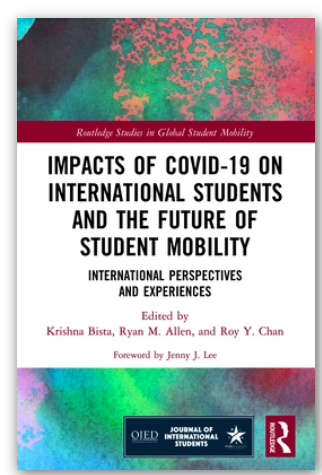
Publisher : STAR SCHOLARS PRESS
Published : January 22, 2023
This volume uses case studies and students' lived experiences to document the impacts of coronavirus (COVID-19) on international students and explore future challenges and opportunities for student mobility within higher education.
Responding to the growing need for new insights and perspectives to improve higher education policy and practice in the era of COVID-19, this text analyses the changing roles and responsibilities of institutions and international education leaders post-2020. Initial chapters highlight key issues for students that have arisen as a result of the global health crisis such as learning, well-being, and the changed emotional, legal, and financial implications of study abroad. Subsequent chapters confront potential longer-term implications of students' experiences during COVID-19, and provide critical reflection on internationalization and the opportunities that COVID-19 has presented for tertiary education systems around the world to learn from one another.
This timely volume will benefit researchers, academics, and educators with an interest in online teaching and e-learning, curriculum design, and more specifically those involved with international and comparative education. Those involved with educational policy and practice, specifically related to pandemic education, will also benefit from this volume.
Hardcover | Paperback | eBook

Publisher : STAR SCHOLARS PRESS
Published : October 11, 2022
International Student Support and Engagement in Higher Education examines innovative practices in campus, academic, and professional support services which serve the various and unique needs of international students seeking undergraduate and graduate degrees.
Divided into three sections pertaining to campus, academic, and professional support services, the authors present case studies and original research that examine strategies for how institutions of higher education can operate to promote international student success beyond the classroom. The international range of contributors showcase research from across Canada, China, Indonesia, Malaysia, Russia, Senegal, Thailand, and the United States. Foregrounding support services with innovative and successful methods for collaborating with one another, the book crucially addresses how the myriad support services available on campuses can work together to support international students and foster a sense of belonging and connection, rather than maintaining a focus on acculturation. It examines the origins of these partnerships, asking whether the services are designed to support the international student community specifically, or to serve the student population more generally.
Identifying new emerging trends and with a view to establishing a broad and global context for best practices in international student support, this book will appeal to faculty, researchers, scholars, and scholar-practitioners with interests in higher education, student support services, and international and comparative education.
Paperback | Hardback | eBook
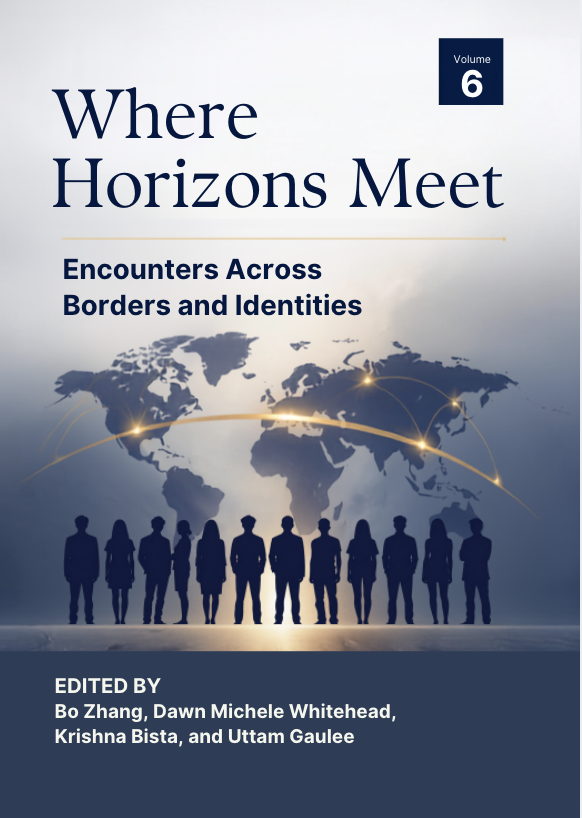
Series : 6
Publisher : STAR SCHOLARS PRESS
Published : August 9, 2026
Order your copies: Print | ebook | Amazon | Google Books | Other Distributors
Where Horizons Meet: Encounters Across Borders and Identities brings together powerful personal stories of living, learning, and working across cultures. Edited by Bo Zhang, Dawn Michele Whitehead, Krishna Bista, and Uttam Gaulee, the volume explores identity, belonging, migration, language, resilience, inclusion, and global citizenship through the lived experiences of students, educators, scholars, and professionals. Part of the Global Essay Book Series, this collection shows how crossing borders can challenge assumptions, deepen understanding, and transform the way people see themselves and others. It is an engaging resource for students, educators, international education professionals, and anyone interested in intercultural learning and our increasingly connected world.
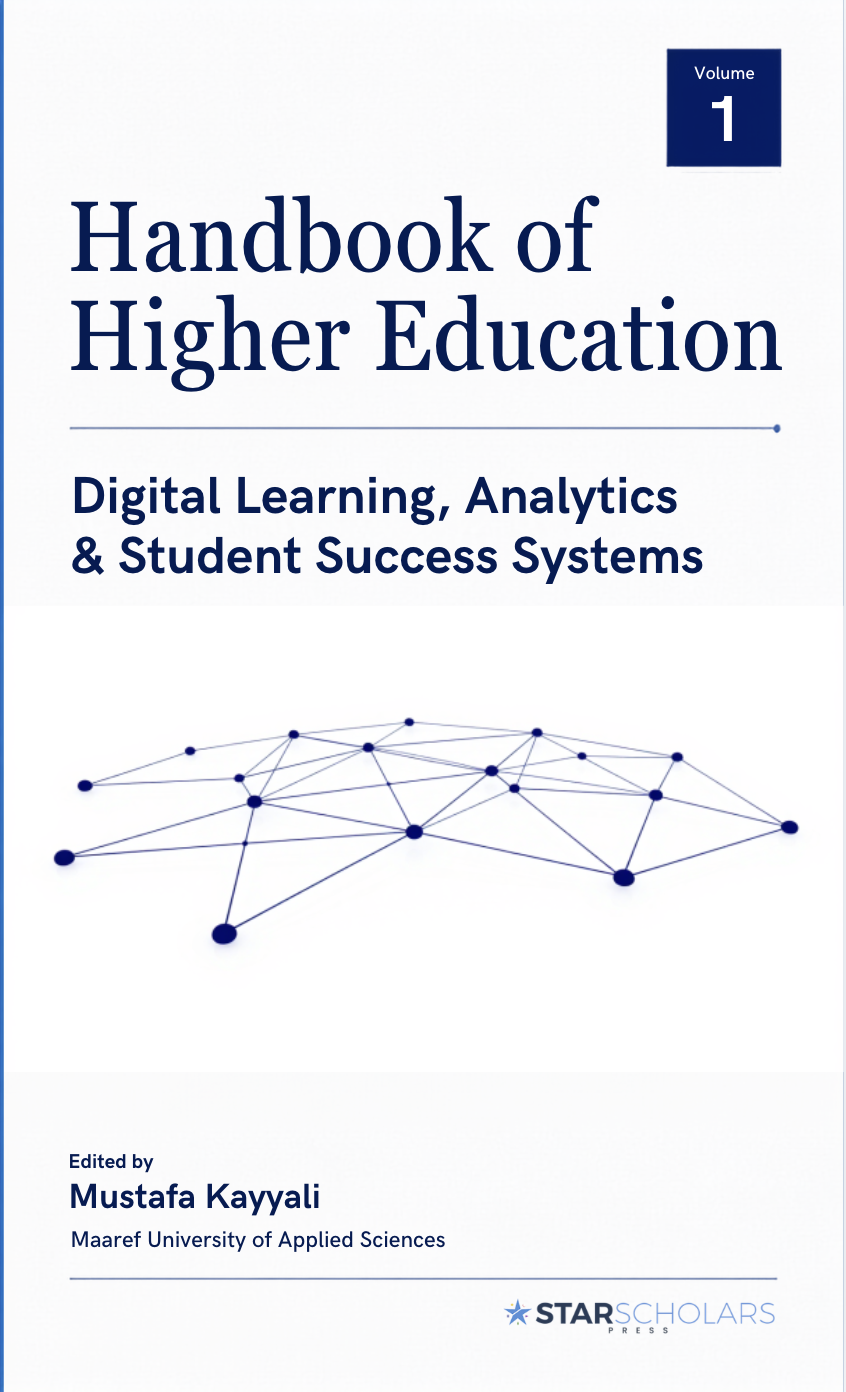
Publisher : STAR SCHOLARS PRESS
Published : June 30, 2026
Order Print Copies | Amazon | Hardcover | eBook | Google Books
This volume examines the intersection of digital learning, learning analytics, and student success systems in contemporary higher education. Nine chapters written by scholars and practitioners from multiple geographic contexts analyze how artificial intelligence, institutional automation, faculty role transformation, and inclusive access technologies reshape higher education practice and outcomes. The volume combines theoretical frameworks with case evidence from national systems, disciplinary fields, and individual institutions. Core themes include the tension between digitalization and equity, the evolution of immersive and hybrid learning models, the role of data-informed decision-making in institutional performance, and the imperative to design digital transformations that serve all students, not only the advantaged. Intended for researchers, institutional leaders, faculty, graduate students, and policymakers, the volume argues that higher education can become simultaneously more efficient and more humane through thoughtful implementation and critical attention to context.
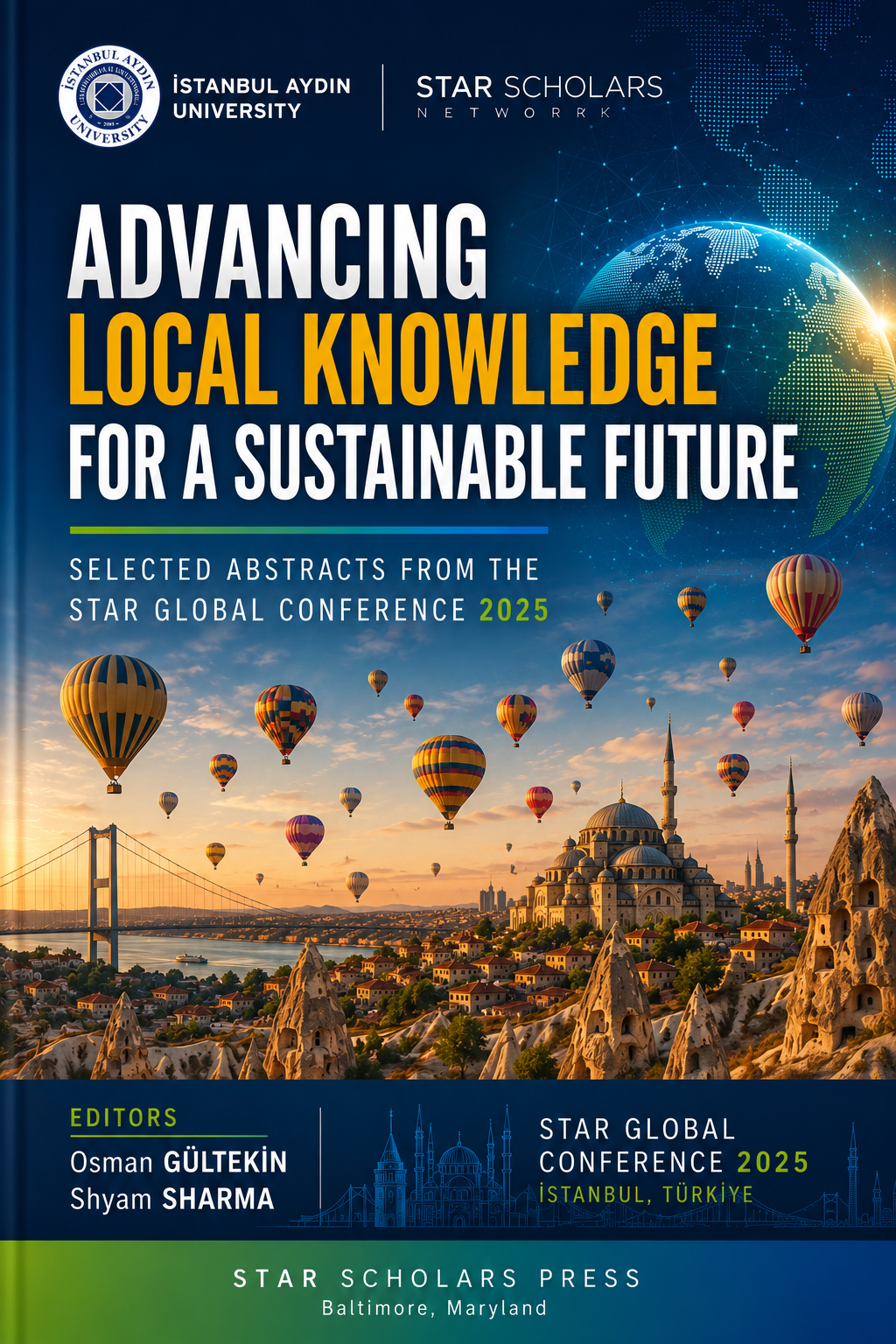
Publisher : STAR SCHOLARS PRESS
Published : June 6, 2026
Advancing Local Knowledge for a Sustainable Future: Selected Abstracts from the STAR Global Conference 2025 brings together scholarly abstracts presented at the conference in İstanbul, Türkiye. Reflecting the conference theme, this digital volume highlights diverse perspectives on the role of local knowledge in addressing contemporary global challenges and advancing sustainable development. The collection features contributions from researchers, educators, practitioners, policymakers, and graduate students representing institutions across multiple countries and disciplines. Topics include higher education, artificial intelligence, educational innovation, sustainability, indigenous knowledge systems, community development, cultural heritage, language learning, leadership, social justice, health, architecture, and international collaboration.
Highlights
Global Perspectives: Research and insights from scholars, educators, and practitioners representing diverse countries and disciplines.
Local Knowledge for Sustainable Futures: Innovative approaches that connect indigenous, community-based, and local knowledge with global challenges.
Emerging Trends and Innovation: Contributions exploring artificial intelligence, educational transformation, sustainability, and social development.
Interdisciplinary Scholarship: A rich collection of abstracts spanning education, technology, culture, leadership, health, architecture, and community engagement.
How to cite: Gültekin, O., & Sharma, S. (Eds.). (2026). Advancing local knowledge for a sustainable future . STAR Scholars Press. https://doi.org/10.32674/a2ecr316
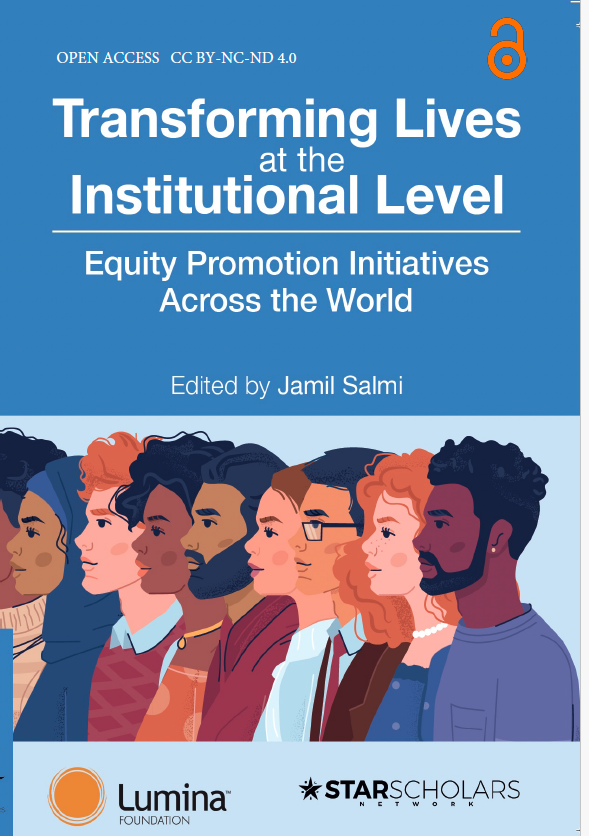
Publisher : STAR SCHOLARS PRESS
Published : June 30, 2023
Transforming Lives at the Institutional Level explores innovative higher education initiatives from around the world aimed at enhancing access and success for underrepresented and marginalized groups. Through 31 case studies spanning seven global regions, this volume offers invaluable insights and lessons learned to inform equity promotion policies and practices.
OPEN ACCESS BOOK | CC BY-NC-ND Open access editions of this book can be accessed here . The open access edition of this book is freely available to readers worldwide and may be accessed, downloaded, and shared without charge through the publisher’s website and scholarly discovery platforms.
Praise for this book
Transforming Lives at the Institutional Level: Equity Promotion Initiatives Across the World, edited by Jamil Salmi is a timely and important resource providing insights into innovative policies and practices as well as barriers inhibiting access to and equity in higher education. Professor Ly Tran, Deakin University, Australia *** What a fantastic collection of case studies from around the world! The book is so timely, given the increased focus on the transformative role of higher education, in the light of current geo-political events and increasing precarity of higher education’s mission, influenced too narrowly by the economic benefit perspective. The book is a must read. Aneta Hayes, Keele University, UK **** At a time when too many countries are backsliding from the principles of democracy, including human rights protections for ordinary citizens–which at their very core demand access to educational opportunity–this book could not be more timely. But how do we correct course? This book provides some answers. Bernhard Streitwieser, George Washington University, USA
The event marked the official launch of Transforming Lives: Equity and Access for All Learners in Higher Education . Edited by Dr. Jamil Salmi, the book compiles proven approaches to reach underserved groups with case studies and practical solutions from over 20 countries.
“There is so much talent that goes to waste because millions of young people do not get the same opportunities to access and to be successful,” said editor Dr. Jamil Salmi, a Research Fellow at the Center for International Higher Education (CIHE) at Boston College.
From scholarship initiatives in Ethiopia to refugee support programs in Germany to curriculum decolonization efforts in Scotland and programs to support rural students in China and Australia the book highlights diverse solutions making a difference:
“I hope you’ll be able to glean at least one, if not many, more ideas so we can create a just and equitable post-secondary system,” said Dr. Courtney Brown, Vice President of Impact and Planning at the Lumina Foundation.
Key insights include combining financial and non-monetary policies, capturing intersectionalities, focusing on transitions beyond graduation, collecting better data, and aligning institutional and national approaches. Success factors across initiatives included dedicated leadership, pilot testing, and respecting diverse definitions of success.
“The equity interventions are sustainable when they are embedded in an institutional strategy and benefit from the support of all university stakeholders,” said Dr. Andrée Sursock, Senior Advisor to the European University Association.
“Leadership buy-in is a critical aspect that many people are facing,” added Dr. Renato Pedrosa, Institute of Advanced Studies, University of São Paulo.
Dr. Nidhi S. Sabharwal, Centre for Policy Research in Higher Education, share that “in India, specifically students from the socially disadvantaged groups are offered a relaxation of age and scores at admission…for increasing their access to higher education.”
Dr. Gerry Postiglione, The University of Hong Kong, observed that “the onset of massification in the emerging economies of Eastern Asia…has definitely improved opportunities from students, both men and women, from rural, minority, disabled groups, and particularly low income households.”
Participants included leaders from Australia, Canada, China, Colombia, Egypt, Ghana, India, Indonesia, Kenya, Malaysia, Nepal, Philippines, South Africa, Taiwan, Thailand, United Kingdom, United States.
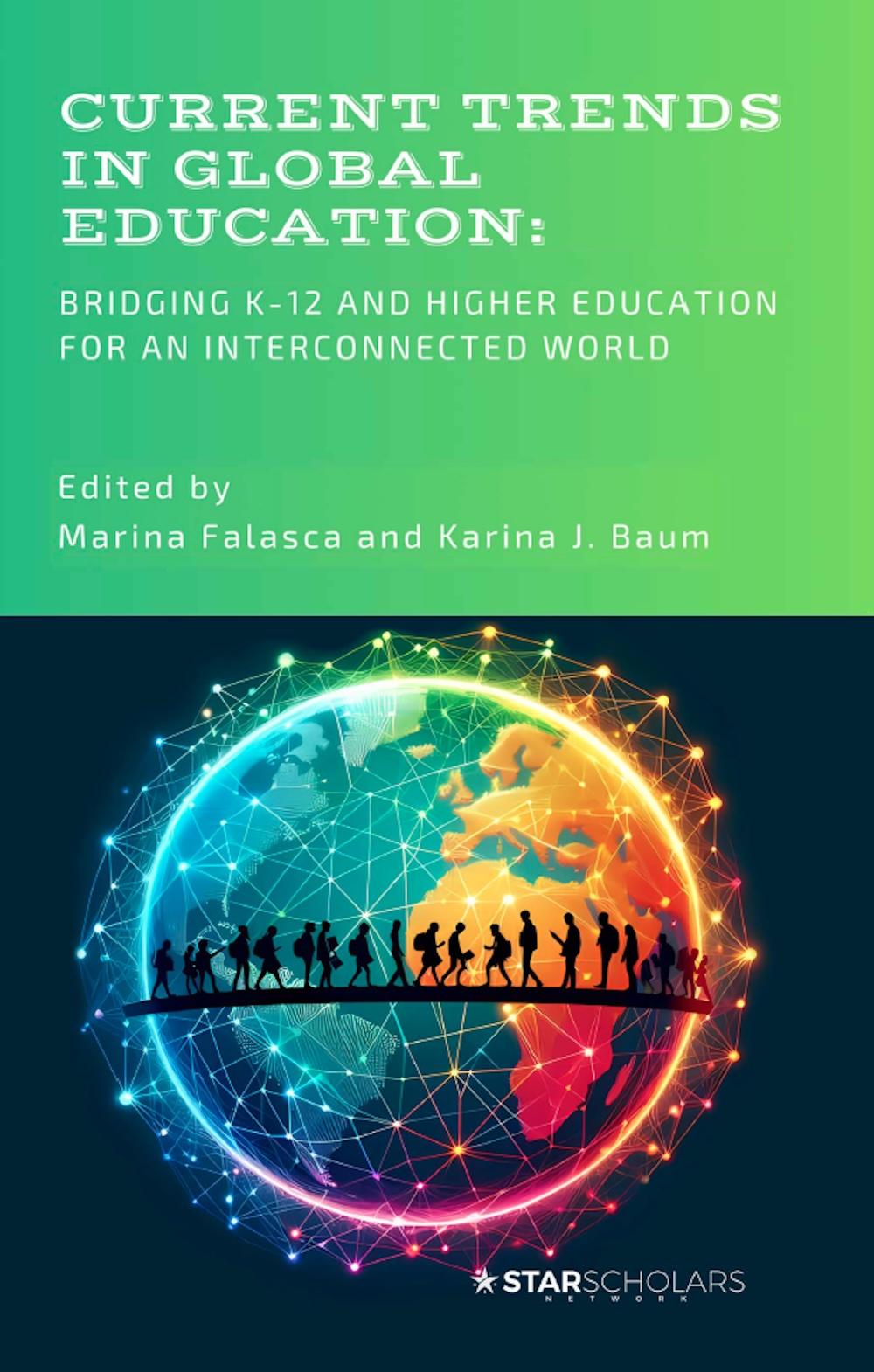
Publisher : STAR SCHOLARS PRESS
Published : October 5, 2024
Current Trends in Global Education: Bridging K-12 and Higher Education for an Interconnected World explores the evolving landscape of global education through insights from esteemed educators and researchers. It defines global education and presents multiple rationales for developing global competence along with a literature review of significant challenges over the past two decades. The anthology showcases innovative K-12 practices, emerging trends, and the transformative role of transnational telecollaboration and artificial intelligence (AI) in fostering global citizenship and cross-cultural communication. It also examines higher education focusing on novel pedagogical tools, hybrid learning communities, and virtual exchange initiatives in ESP/EAP courses, as well as key factors affecting AI adoption in this context. Editors
Marina Falasca, M.Ed., M.A. , is an Associate Professor with a focus on pedagogy, didactics, and curriculum at IES en Lenguas Vivas Juan Ramón Fernández in Buenos Aires, Argentina. She also serves as the STAR Country Director for Argentina and is the recipient of the 2024 Klett Award for Sustainable Development Education in the World Language Classroom. Karina J. Baum, Ph.D., is the Director of Global Education at Buckingham Browne & Nichols, a K-12 independent school in Cambridge, Massachusetts. She serves on the Board of Directors of the Global Education Benchmark Group and the Kathleen Stone Island Outward Bound.
Download ebook (complimentary) or order print copies from Amazon and Barnes & Noble | Related books here
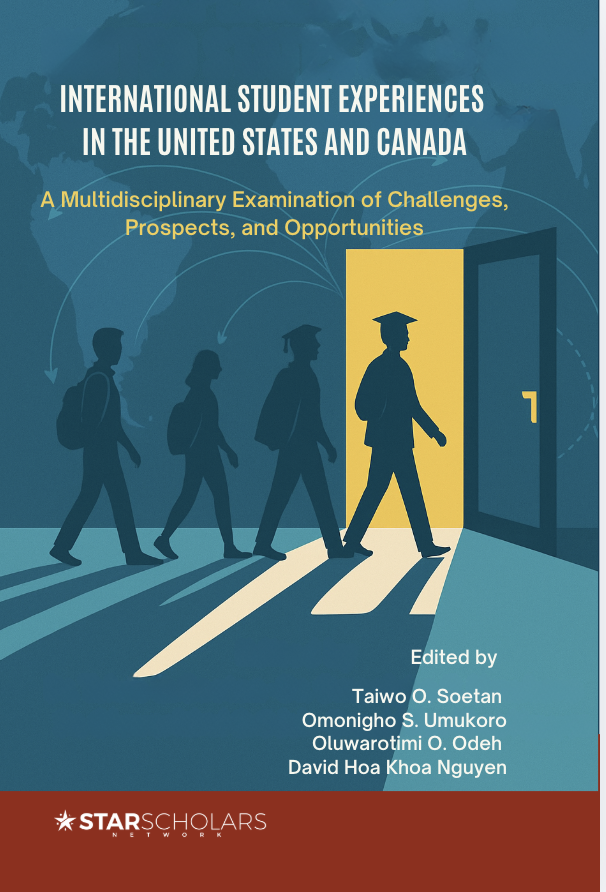
Publisher : STAR SCHOLARS PRESS
Published : February 8, 2026
This edited volume offers a rigorous, multidimensional exploration of the international student journey across the United States and Canada. Drawing on diverse disciplinary perspectives and current research, the book illuminates the cultural, academic, and psychosocial challenges students face—from initial adjustment and language barriers to identity development and community integration—while also highlighting the long-term opportunities that shape their educational and professional trajectories.
Beyond documenting student experiences, the book situates international education within broader demographic and workforce realities, particularly the growing reliance on global talent to address aging labor markets in North America. By bringing together scholars from around the world, this volume provides a timely and comprehensive resource for researchers, educators, policymakers, and higher education leaders committed to supporting international student success and strengthening global mobility pathways.
Edited by Taiwo O. Soetan, Omonigho S. Umukoro, Oluwarotimi O. Odeh, and David Hoa Khoa Nguyen
Taiwo O. Soetan (Ph.D.) was an Associate Professor of Business at the School of Business and Entrepreneurship, Dickinson State University (DSU), Dickinson, North Dakota, and an External Examiner in the Graduate (Doctoral) Program at the School of Leadership Studies, Fielding Graduate University, California, United States. Prior to DSU, Soetan taught several business courses as a full-time faculty at two of Canada’s higher education institutions. He obtained his graduate qualifications at the Master level (MBA, ME, MA, and MSc) and Ph.D. from universities in the U.K, Canada, and the U.S. Dr. Soetan is a Project Management Professional (PMP), and his articles have been published in peer review journals and edited books. He is the co-author of the book, “Financial services in Nigeria: The path towards financial inclusion, economic development, and sustainable growth” that was published by Palgrave Macmillan.
Omonigho Simon Umukoro (Ph.D.) is a faculty at the Department of Psychology, Faculty of Social Sciences at the University of Lagos, Nigeria. He is an accomplished scholar and educator with a diverse background in organizational and social psychology. He holds a Ph.D. in Psychology from the University of Ibadan where he received commendations and a prize for the publication of his doctoral thesis. With an impressive academic journey that includes a master’s degree, a Bachelor’s degree and a Professional Diploma in Statistics, Dr. Umukoro has consistently demonstrated his commitment to scholarship. He is an active member of various professional organizations including the Nigerian Psychological Association, the American Psychological Association, and a host of others, showcasing his dedication to advancing the field of Psychology. He is a recipient of Award for the 2023 ARVA-Carnegie Early Career Postdoctoral Fellowship. He recently completed his research fellow at the ARVA Center of Excellence in Notions of Identity at Makerere University, Kampala, Uganda.
Oluwarotimi Odeh (Ph.D.) is a Professor of Agricultural Economics with more than 18 years of experience as a faculty member, a mentor, and advisor to students in three public universities in the United States. Before he immigrated to the United States in early 2001 for his graduate studies, he worked for Nigeria’s premier bank for several years. He is currently the Rolland Starn Endowed Chair of Agriculture at California State University, Stanislaus, California, where he oversees the institution’s agriculture program. Dr Odeh has most recently been a recipient of the Carnegie African Diaspora Program and recently completed a seven-month Fulbright Fellowship in Nigeria, where he was a mentor and advisor to many students and young faculty members. He sits on the advisory board of local schools and provides input to enhance learning experiences of students in and out of the classroom.
David Hoa Khoa Nguyen (Ph.D.) is an Associate Professor of Urban Education Leadership and Policy and an Adjunct Professor of Law at Indiana University, Indianapolis, United States. Prior to academia, Nguyen was a full-time practicing attorney in immigration, family, and administrative law. He is licensed to practice in the state and federal courts of Indiana, North Dakota, and Texas. He has a BSc Ed. In Secondary Education and an MBA, J.D., AND Ph.D. in Education Policy Studies from Indiana University. He obtained a Master of Advanced Legal Studies from Leiden University in the Netherlands as a Rotary Foundation Ambassadorial Scholar.
Table of Contents
Foreword Art R. Malloy
Series Editor’s Note Krishna Bista
Chapter 1
Pre-Departure Preparation for African International Students in U.S. and Canadian Higher Education Institutions Alice Kanyama
Chapter 2
Intercultural Communication Experiences of International Students: An Example from a Post-Soviet Context Oseremi Olivia Jagbojo
Chapter 3
International Transfer Students at U.S. Community Colleges Caitlyn Potter Glaser
Chapter 4
Care and Academic Mobility: Narratives of International Doctoral Student Mothers from the Global South Yulu Hou
Chapter 5
Welcoming the Whole Household: Ethical Responsibilities Toward International Graduate Student Families in Christian Higher Education Junyan (Emma) Zhu
Chapter 6
Navigating Dual Worlds: The Lived Realities of International Graduate Student Parents in U.S. Higher Education Sayyora Ibadullaeva
Chapter 7
“It’s a Bigger Sea, You’re Gonna Need a Strong Boat”: International Students’ Experiences of Academic Expectations and Setbacks in Canada Susan He
Chapter 8
Student Engagement and Leadership as a Support System for International Students Laura Vaughn and Van Anh Tran
Chapter 9
A Review of Syllabus Design for Online Courses in American Higher Education Yusuf Marafa
Chapter 10
From Misconception to Separation: How Race Affects International Students’ Sense of Belonging in the United States Adrijana Miladinović
Chapter 11
Fitting In and Holding On: A Model-Based Autoethnography of Micro-Level Acculturative Stressors Among African-Born International Students in the U.S. Ehi-Kowochio Blessing Ogwiji
Chapter 12
International Students’ Perceptions of Campus Sexual Violence Prevention Programs Wei Dai
Chapter 13
Understanding the Mental Health Experiences of Racialized International Students in Canada JesusMiracle Chiadika
Chapter 14
Contributions of International Student Athletes to the U.S. and Canadian Economies Eniola Soetan and Taiwo O. Soetan

Publisher : STAR SCHOLARS PRESS
Published : March 22, 2024
This book of abstracts based on the 2023 STAR Global Conference on the theme of "Transformative Education for an Interconnected and Equitable World" is a seminal volume featuring an array of scholarly presentations that dissect the evolving landscape of global education. The collection traverses a multitude of perspectives, from the intricacies of fostering digital competencies and tackling the ethics of scientific research to implementing internationalization with a spirit of reciprocity and cultivating transformational creativity in educational practices. It spotlights technological advancements through systematic reviews of gamified learning, virtual intercultural dialogues, and the arts' role in nurturing critical citizenship. It also offers a forward-looking approach to online learning and linguistically-driven AI innovations in India.

Publisher : STAR SCHOLARS PRESS
Published : May 20, 2022
This book presents students’ reflections on their intercultural student experiences, and utilizing the UNESCO Story Circle methodology, illustrates how such reflection can aid the development of intercultural competence (IC).
The volume features a broad range of first-person narratives that showcase the diversity of student experience encountered whilst studying abroad in a variety of cultural and institutional settings. Engaging with issues in relation to identity negotiation, stereotypes, cultural difference, and communities of support, the text demonstrates application of the UNESCO Story Circle approach in developing IC. Further, vignettes are analyzed and guiding questions are offered to structure readers’ reflection and discussion to facilitate further honing of intercultural competencies. The volume promotes IC amongst individual educators, trainers, international students, and community members and provides guidance in addressing international students’ wellbeing more broadly.
This text will benefit scholars, academics, and students in the fields of higher education, multicultural education, and intercultural communication. Those involved with international and comparative education as well as student affair practice and higher education administration will also benefit from this volume.
Paperback | Harback | eBook

This book includes a unique module-based, self-driven professional development program that empowers scholars to deepen their understanding of the Society of Transnational Academic Researchers (STAR) vision while enhancing their research agenda and leadership skills. Through a blended learning approach, participants engage in immersive learning experiences, including self-paced online modules, workshops, mentoring sessions, and support hours, to acquire the knowledge, skills, and mindset necessary for their professional success. This program goes beyond traditional professional development by emphasizing the social impact and justice aspects of research and scholarship. Scholars examine systemic inequalities, challenge dominant narratives, and advocate for structural change in their communities. With a focus on equity, diversity, and inclusion, the program addresses the needs of marginalized communities, fostering a culture of learning and growth.
Order print copies here || Download digital copies here
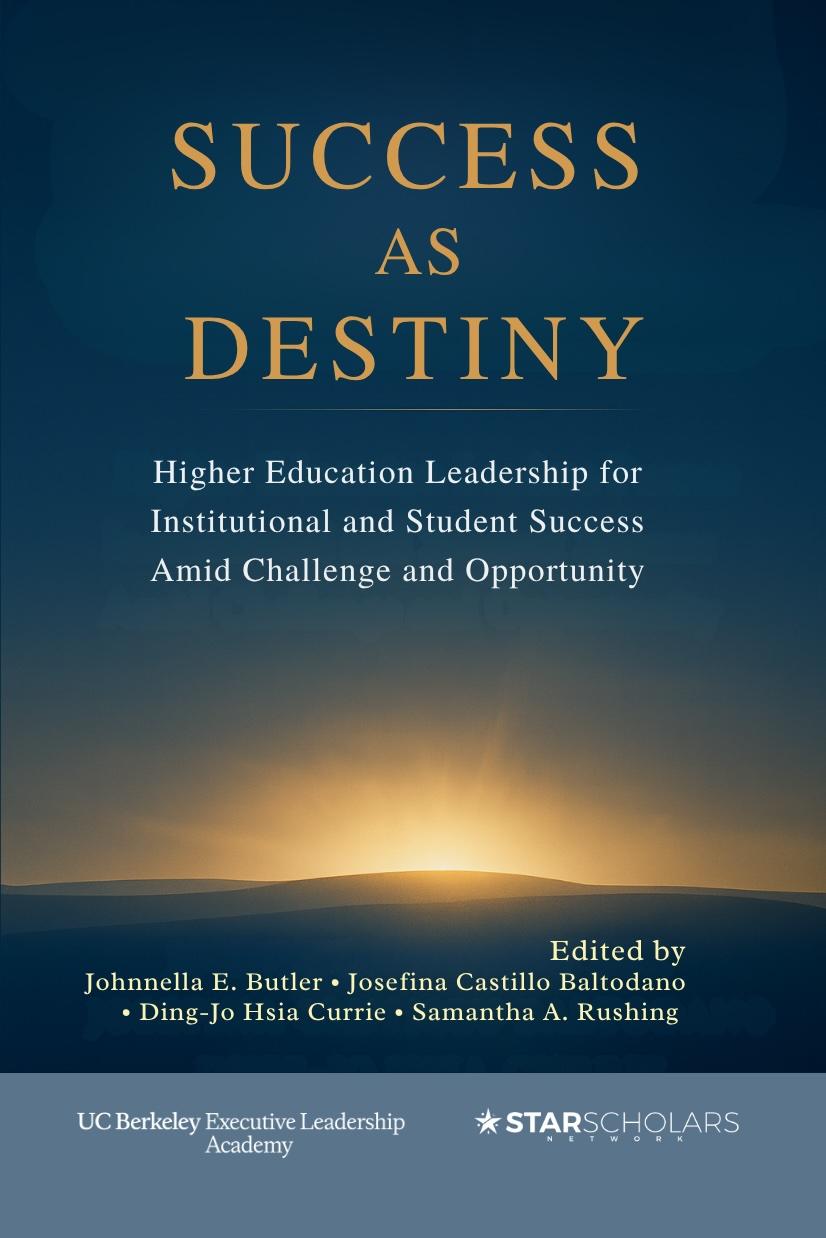
Publisher : STAR SCHOLARS PRESS
Published : May 24, 2026
Order your copies| Hardcover | Softcover | eBook (PDF) | Google Book | Amazon | STRAND Books | Booktopia | Kogan Books | ibs Books | orellfussli books | Yes24 China | goodreads | AbeBooks | Boomerang Books Australia |
Success as Destiny explores how institutional leaders at every level can strengthen structures, processes, and approaches to advance both institutional and student success during moments of profound challenge and opportunity. Drawing on the expertise of distinguished faculty of the Executive Leadership Academy (ELA) at the University of California, Berkeley, this volume illuminates leadership practices rooted in collaboration, integrated decision-making, and servant leadership. Covering essential areas such as shared governance, legal issues, AI, enrollment, student affairs, data-informed practice, financial leadership, and strategic planning, the book offers actionable insights for current and future leaders. This is the second volume in ELA’s leadership trilogy. It stands as both a practical guide and a deeply reflective exploration of what it means to lead with purpose, integrity, and vision in higher education today.
Editors Johnnella E. Butler, Ed.D. Former Provost and Vice President for Academic Affairs, Spelman College | Atlanta, Georgia and former Associate Dean, The Graduate School, University of Washington | Seattle, Washington
Josefina Castillo Baltodano, J.D. Founder and Executive Director Emerita, Executive Leadership Academy, University of California, Berkeley | Berkeley, California and former President, Marian University | Fond du Lac, Wisconsin
Ding-Jo H. Currie, Ph.D. Distinguished Faculty and Director, Leadership Institute for Tomorrow, California State University, Fullerton | Fullerton, California and former Chancellor, Coast Community College District | Costa Mesa, California
Samantha A. Rushing Associate Director and Executive Assistant to the Advisory Board, Executive Leadership Academy, and former Program Administrator, Berkeley Global Executive Education, University of California, Berkeley | Berkeley, California
Table of Contents
Introduction .................. xix
1. Leadership Power Across Cultures ........................................ 1 Ding-Jo H. Currie
2. Leadership Modeling: A Personal Approach to Identity Development ....................... 17 David C. Wilson
3. From Successful Candidate to Transformational Leader ............. 30 Shirley Robinson Pippins
4. Presidential Leadership: Communicating Across Constituencies to Achieve Institutional and Student Success ............................... 40 Janet L. Holmgren
5. Utilizing Data to Inform the Presidency .................................. 49 Richard Yao
6. Faculty Governance and Academic Freedom ............................. 69 George R. Blumenthal
7. Legal Issues Facing Higher Education Amid Public Skepticism ........................ 81 Joseph I. Castro
8. Demystifying the AI Magic: Navigating Opportunities and Challenges of Artificial Intelligence in Higher Education ............. 94 Andrew W. Reddie
9. Student Affairs and Reimagining the University Student Experience ................... 104 Kent L. Willis and Barbara D. Holmes
10. The Enrollment Management Challenge .......... 117 Olufemi Ogundele
11. University Business and Finance .............. 133 Sarah C. Latham
12. Strategic Planning in Our Challenging Environment ................. 144 Johnnella E. Butler and Tarshia L. Stanley

Publisher : STAR SCHOLARS PRESS
Published : August 9, 2026
This edited volume, Advancing Local Knowledge for a Brighter and Sustainable Future, foregrounds the importance of local knowledge as a vital source of insight for addressing global educational, cultural, technological, social, and sustainability challenges. While locally grounded knowledge is often rich in context and practical relevance, its broader impact depends on its visibility within international scholarly conversations. This volume responds to that need by providing a multilingual, interdisciplinary, and globally engaged platform for knowledge exchange. Contributions explore themes related to education, intercultural communication, cultural diplomacy, governance, sustainability, language, technology, and leadership. Together, the chapters demonstrate how locally produced scholarship can inform global understanding, strengthen academic collaboration, and support a more inclusive and sustainable future. The volume is intended for scholars, educators, institutional leaders, policymakers, and practitioners interested in advancing equitable knowledge production and global academic engagement.
Series : 1
Publisher : STAR SCHOLARS PRESS
Published : August 9, 2026
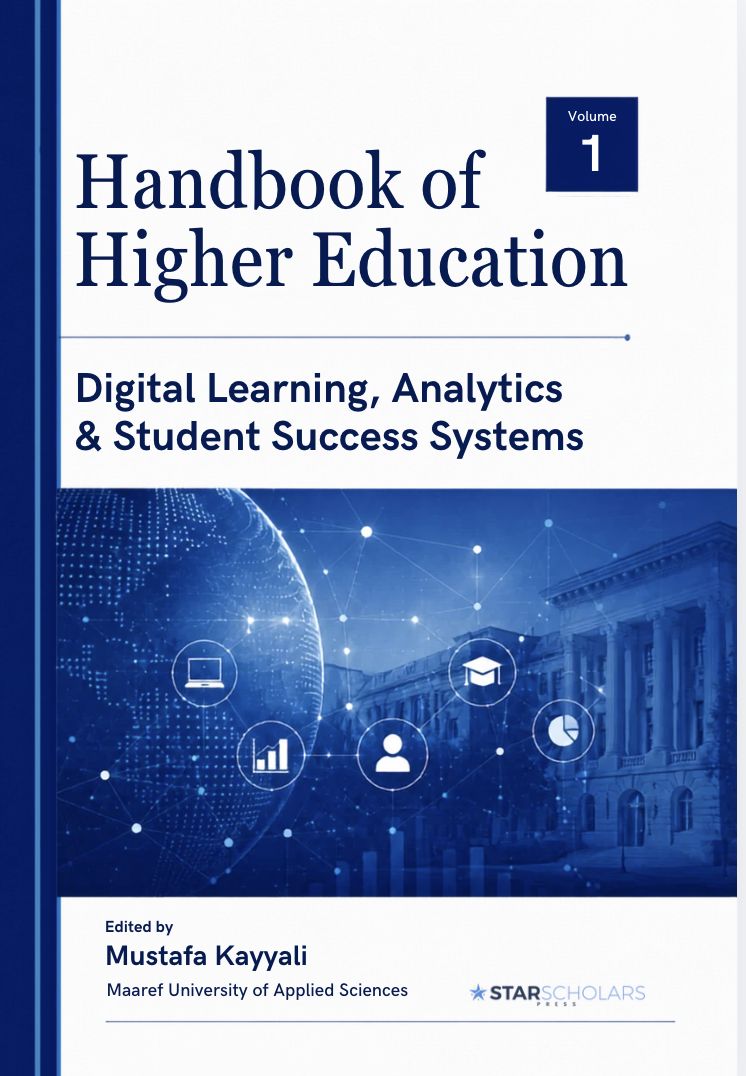
This volume examines how digital learning, analytics, and student success systems are quietly rewriting the inner grammar of higher education. It looks beyond platforms as tools and asks what happens when learning becomes traceable, adaptive, and continuously interpreted through data. The chapters explore online and hybrid learning, predictive analytics, advising systems, student engagement, retention, and the ethical use of educational data. At its core, the volume asks a difficult question: can institutions use digital intelligence to support students without reducing them to dashboards? The answer, unsurprisingly, is complex, hopeful, and sometimes unsettling.
Series : 6
Publisher : STAR SCHOLARS PRESS
Published : August 9, 2026
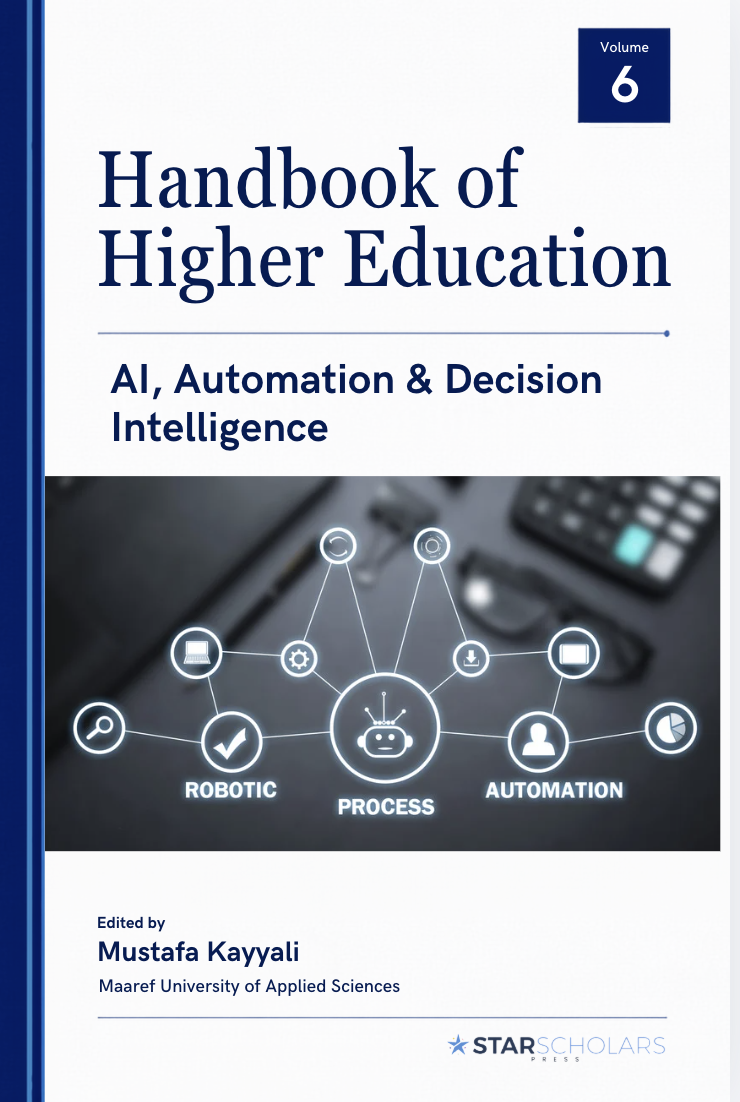
This volume examines how artificial intelligence, automation, blockchain, and data-informed governance are changing decision-making in higher education. Ten chapters move from academic credentials and learning records to educator roles in open and distance learning, university digital transformation strategies, faculty capability development, smart teaching governance, AI-supported teaching tools, disability inclusion, and digital-age policy. Contributions from multiple national and institutional contexts combine conceptual analysis, case comparison, technical architectures, and practical institutional recommendations. A central concern is how universities can use intelligent systems to improve efficiency, trust, access, and responsiveness while preserving professional judgment, transparency, privacy, and human responsibility. The volume treats faculty development and inclusion as essential parts of technological transformation rather than secondary implementation issues. Intended for researchers, university leaders, faculty developers, quality assurance professionals, policymakers, IT teams, and graduate students, it argues that decision intelligence becomes educationally valuable only when automation is governed ethically, interpreted critically, and aligned with institutional learning.
