
Update Search
Categories
Series
Date
Update Search
Categories
Series
Date
1 - 25 of 100 items
Sort By
Publisher : STAR SCHOLARS PRESS
Published : August 15, 2026
Order your copies: Print Hardcover | ebook | Amazon | Google Books | Other Distributors
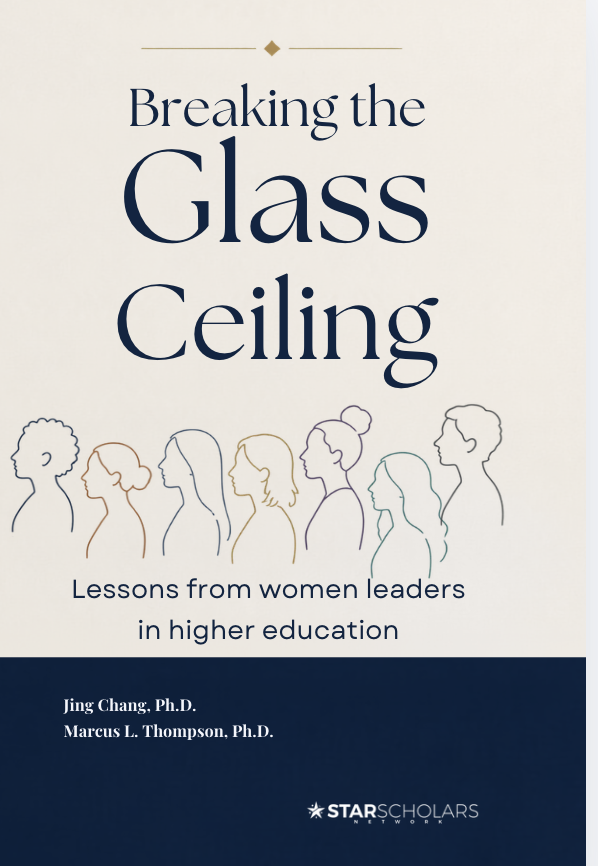
Women make up the majority of college students and advanced-degree holders. So why do they still lead only about one in three universities, and far fewer of the most powerful ones?
Breaking the Glass Ceiling answers that question the way it deserves to be answered: through the people who lived it. Here are seven women who reached senior leadership at a public university in the American South, three African American and four born in China, ranging from a dean in her seventies who helped desegregate her high school in 1963 to a young professor still proving she belongs. In their own candid words, they describe the mentors who pulled them up, the discrimination they outlasted, the families they refused to sacrifice, and the institutions they quietly rebuilt.
From their experience, the authors distill a clear and teachable model, the Three Core Layers of women's leadership, and a clear-eyed account of why so few women reach the top and what would actually change that. Rigorous enough for the seminar and human enough for the nightstand, this is both a study and a map.
Jing Chang, Ph.D. Marcus L. Thompson, Ph.D.
Series : 6
Publisher : STAR SCHOLARS PRESS
Published : August 9, 2026
Order your copies: Print | ebook | Amazon | Google Books | Other Distributors
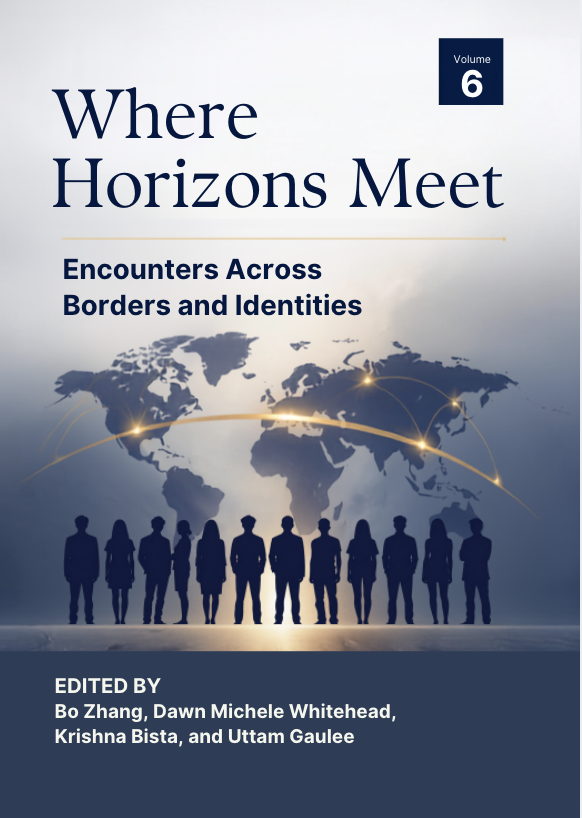
Where Horizons Meet: Encounters Across Borders and Identities brings together powerful personal stories of living, learning, and working across cultures. Edited by Bo Zhang, Dawn Michele Whitehead, Krishna Bista, and Uttam Gaulee, the volume explores identity, belonging, migration, language, resilience, inclusion, and global citizenship through the lived experiences of students, educators, scholars, and professionals. Part of the Global Essay Book Series, this collection shows how crossing borders can challenge assumptions, deepen understanding, and transform the way people see themselves and others. It is an engaging resource for students, educators, international education professionals, and anyone interested in intercultural learning and our increasingly connected world.
Publisher : STAR SCHOLARS PRESS
Published : August 9, 2026
Order your copies: Print Hardcover | ebook | Amazon | Google Books | Other Distributors
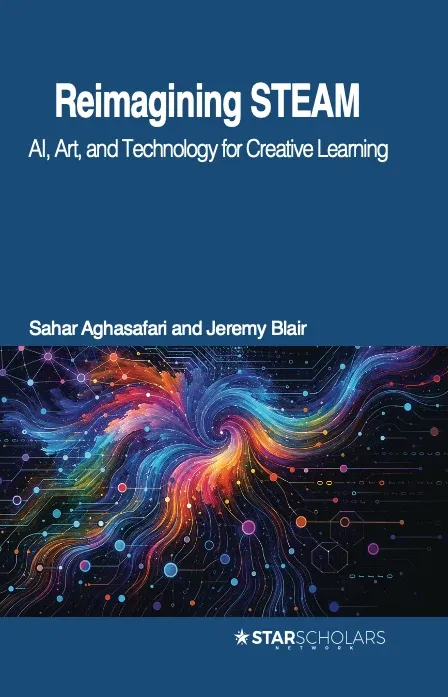
Reimagining STEAM: AI, Art, and Technology for Creative Learning examines the evolving intersections of artificial intelligence, art, technology, and interdisciplinary learning within contemporary STEAM education. Bringing together theoretical perspectives, empirical research, classroom practices, and critical inquiry, the volume explores how emerging technologies and arts-based approaches can support creativity, human agency, interdisciplinary thinking, and innovative pedagogy. Across diverse educational contexts, the chapters address human–AI interaction, visual metaphor, science communication, storytelling, media arts, sustainability, game design, creative identity, and AI-integrated art education. The volume also considers the ethical, cultural, and pedagogical implications of emerging technologies, emphasizing the importance of human-centered and reflective approaches to technological integration. Collectively, the contributions position the arts as central to STEAM education and offer educators, researchers, and practitioners perspectives and practices for developing creative, inclusive, and future-oriented learning environments.
Table of Contents
Introduction
Reimagining STEAM through AI, Art, and Technology Sahar Aghasafari & Jeremy Blair
Section I: Foundations and Theoretical Perspectives
Conceptual frameworks, pedagogy, human–AI interaction, and theoretical grounding
Chapter 1
Empowering Human Agency in Transdisciplinary STEAM through Artificial Intelligence Guey-Meei Yang
Chapter 2
Human–Machine Interplay: Visual Metaphor in STEAM Pedagogy Hsiao-Ping Chen & Guey-Meei Yang
Section II: Interdisciplinary Learning, Science Communication, and Applied STEAM Practices
Empirical research, interdisciplinary projects, storytelling, design-based learning, and science communication
Chapter 3
Structuring Science Through Story: Visual and Animated Narratives of Protein Folding in Undergraduate STEAM Research Sahar Aghasafari, Li Cai, Mark Malloy, Sara Luis, Earl Jasper Gerona & Sergio González-Eulogio
Chapter 4
Designing Tomorrow: Empowering Youth to Build Sustainable Futures through Storytelling, Media Arts, and Minecraft Sahar Aghasafari & Mark Malloy
Section III: Creativity, Identity, and Classroom Innovation
Creative pedagogy, identity, classroom experimentation, reflective practice, and AI in art education
Chapter 5
Resonant Pedagogies: Craft, Care, and Creative Risk in STEAM Classrooms Krystian K. Ramlogan
Chapter 6
(Re)Playing Self: Autoethnographic Game Design in the Art Classroom Jeremy Blair
Chapter 7
Art Meets AI: Opportunities and Challenges in the Art Classroom Jeremy Blair
Section IV: Global and Critical Futures in STEAM
Global perspectives, ethics, speculative futures, critical inquiry, and emerging directions in AI-integrated education
Chapter 8
Global Perspectives on AI-Driven STEAM Pedagogy Ambika Hanchate
Chapter 9
Imagining Futures: Art, Algorithms, and the Weight of Inherited Worlds Jeremy Blair & Sahar Aghasafari
Conclusion
Future Directions for AI, Art, and Technology in STEAM Education Sahar Aghasafari & Jeremy Blair
Publisher : STAR SCHOLARS PRESS
Published : August 9, 2026
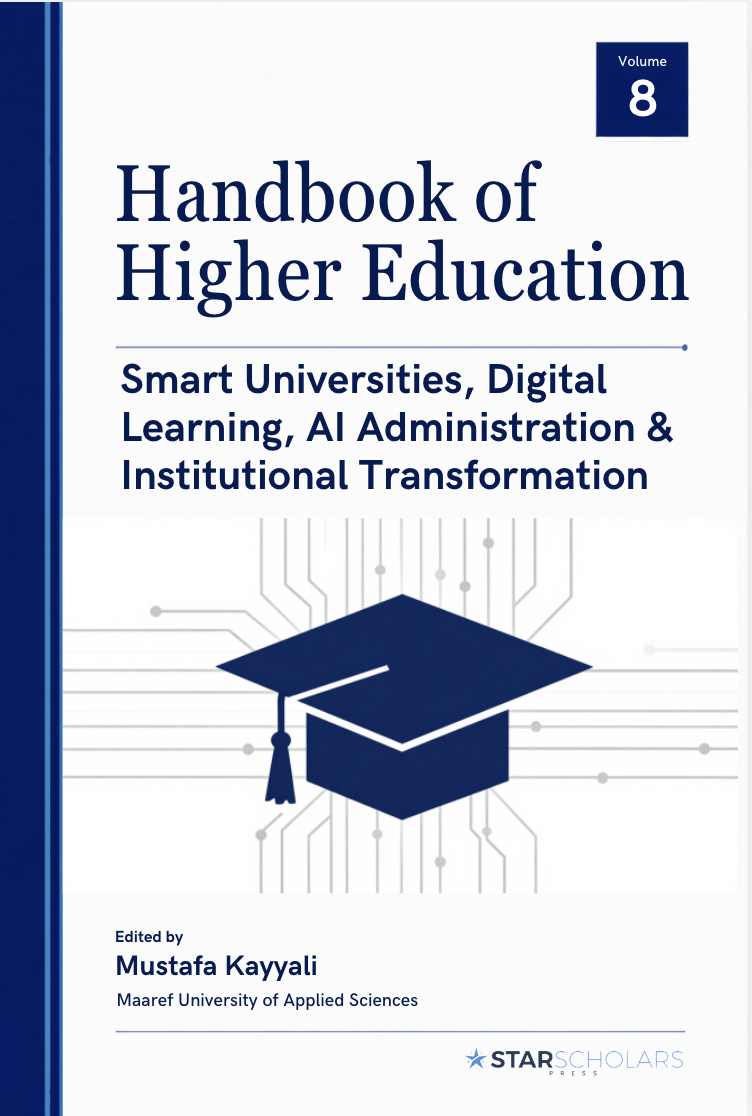
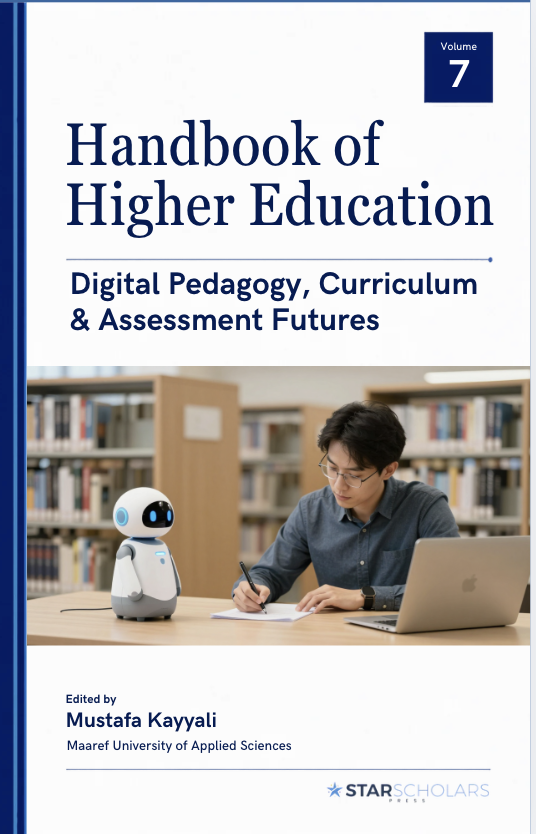
This volume examines the transformation of higher education through smart university models, digital learning, artificial intelligence, and administrative innovation. Twelve chapters connect global collaboration, adaptive learning in sports education, responsible AI feedback, decentralized and hybrid pedagogy, institutional digital transformation, faculty role change, student online experiences, academic quality, teaching capital, and AI-driven university administration. The contributors combine conceptual reviews, empirical cases, governance analysis, and practice-oriented frameworks from diverse geographic and institutional contexts. Rather than treating smartness as a collection of technologies, the volume asks how universities can integrate data, automation, learning platforms, and intelligent systems while protecting equity, trust, privacy, and professional judgment. It highlights student experience and faculty capability as critical tests of whether digital transformation creates genuine educational value. Intended for researchers, university leaders, faculty, quality assurance professionals, policymakers, administrators, IT teams, and graduate students, the volume argues that smart universities must be designed as humane, accountable, and continuously learning institutions.
Publisher : STAR SCHOLARS PRESS
Published : August 9, 2026
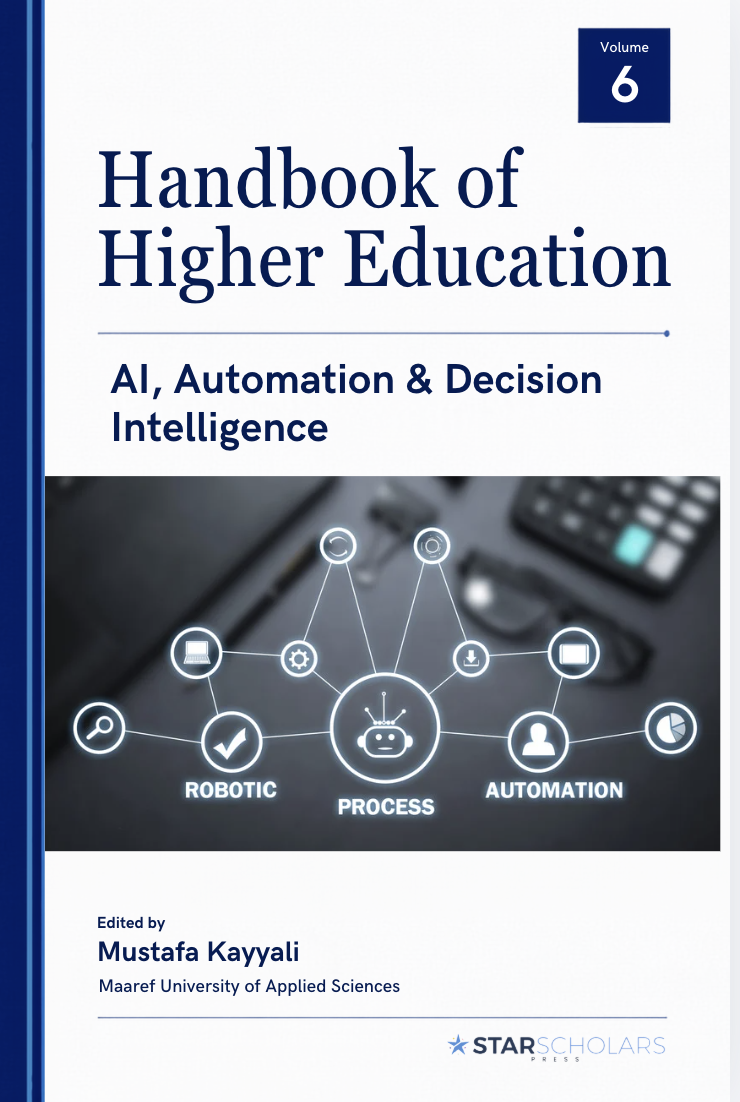
This volume investigates the future of digital pedagogy, curriculum, assessment, and quality assurance across rapidly changing higher education systems. Twelve chapters address decentralized and hybrid learning, personalized and adaptive education, smart institution roadmaps, teaching efficiency, fragmented quality frameworks, accreditation and research excellence, Faculty 4.0, the faculty role as a human safeguard in AI-rich environments, hospitality employability, and assessment integrity. The contributors draw on international contexts to examine how institutional design, faculty capability, technology, and governance influence learning outcomes and public trust. The volume gives particular attention to the tension between flexibility and coherence, innovation and quality, automation and human judgment. It also considers how graduate attributes and assessment practices must evolve as artificial intelligence becomes embedded in learning and professional work. Intended for researchers, curriculum designers, faculty, institutional leaders, quality assurance professionals, graduate students, and policymakers, the volume argues that credible digital futures require pedagogical purpose, ethical assessment, inclusive access, and sustained investment in human expertise.
Series : 6
Publisher : STAR SCHOLARS PRESS
Published : August 9, 2026
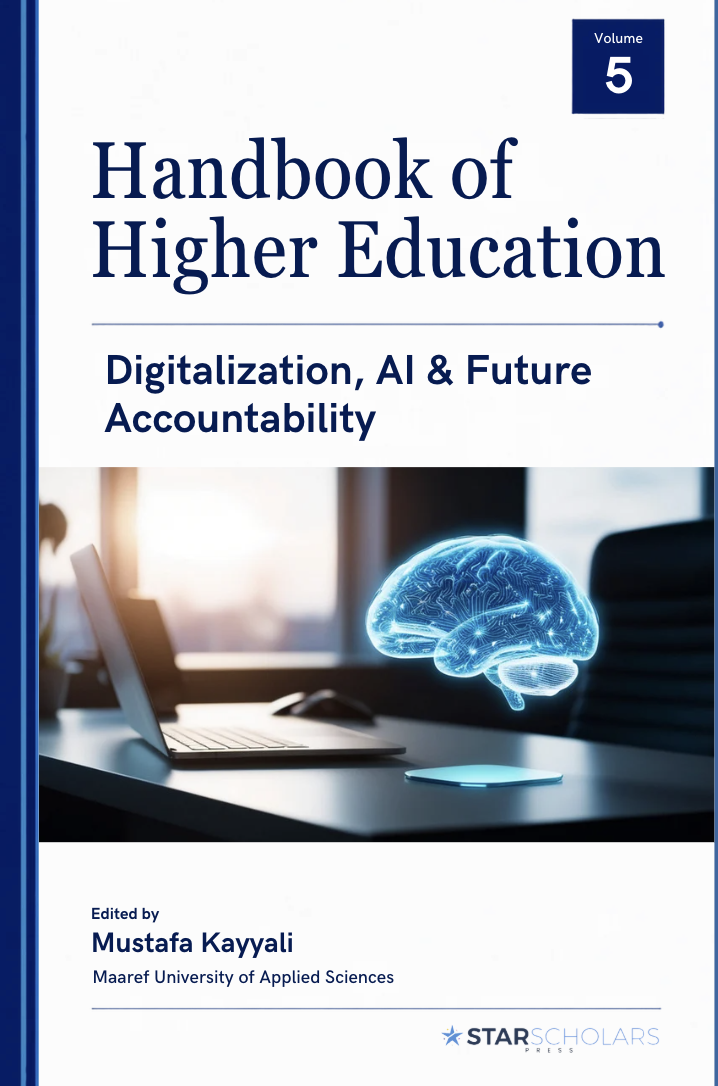
This volume examines how artificial intelligence, automation, blockchain, and data-informed governance are changing decision-making in higher education. Ten chapters move from academic credentials and learning records to educator roles in open and distance learning, university digital transformation strategies, faculty capability development, smart teaching governance, AI-supported teaching tools, disability inclusion, and digital-age policy. Contributions from multiple national and institutional contexts combine conceptual analysis, case comparison, technical architectures, and practical institutional recommendations. A central concern is how universities can use intelligent systems to improve efficiency, trust, access, and responsiveness while preserving professional judgment, transparency, privacy, and human responsibility. The volume treats faculty development and inclusion as essential parts of technological transformation rather than secondary implementation issues. Intended for researchers, university leaders, faculty developers, quality assurance professionals, policymakers, IT teams, and graduate students, it argues that decision intelligence becomes educationally valuable only when automation is governed ethically, interpreted critically, and aligned with institutional learning.
Publisher : STAR SCHOLARS PRESS
Published : August 9, 2026
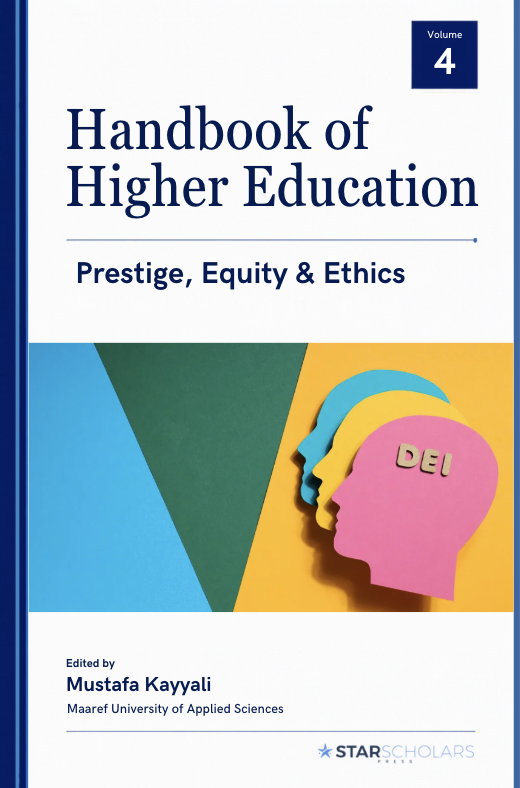
This volume analyzes digitalization, artificial intelligence, accreditation, rankings, and internationalization through the lens of future accountability in higher education. Ten chapters bring together Pacific, African, Asian, European, and broader Global South perspectives on prestige, inclusion, governance, and institutional transformation. The volume examines ethical foundations of academic reputation, inclusive quality assurance, accreditation as governance and political practice, ranking actors and algorithms, India’s National Education Policy 2020, borderless accreditation, Ubuntu-informed approaches to quality, flexible internationalization during systemic instability, and the movement from digitalization toward institutional smartness. Across these themes, the contributors challenge accountability models that privilege visibility, mobility, and standardized metrics over relationships, context, and public purpose. Intended for researchers, institutional leaders, accreditation and quality assurance professionals, policymakers, faculty, and graduate students, the volume argues that responsible transformation requires transparent data practices, context-sensitive standards, inclusive participation, and a critical understanding of how prestige systems distribute power and opportunity.
Publisher : STAR SCHOLARS PRESS
Published : September 3, 2026
This volume analyzes digitalization, artificial intelligence, accreditation, rankings, and internationalization through the lens of future accountability in higher education. Ten chapters bring together Pacific, African, Asian, European, and broader Global South perspectives on prestige, inclusion, governance, and institutional transformation. The volume examines ethical foundations of academic reputation, inclusive quality assurance, accreditation as governance and political practice, ranking actors and algorithms, India’s National Education Policy 2020, borderless accreditation, Ubuntu-informed approaches to quality, flexible internationalization during systemic instability, and the movement from digitalization toward institutional smartness. Across these themes, the contributors challenge accountability models that privilege visibility, mobility, and standardized metrics over relationships, context, and public purpose. Intended for researchers, institutional leaders, accreditation and quality assurance professionals, policymakers, faculty, and graduate students, the volume argues that responsible transformation requires transparent data practices, context-sensitive standards, inclusive participation, and a critical understanding of how prestige systems distribute power and opportunity.
Publisher : STAR SCHOLARS PRESS
Published : July 18, 2026
Order Print Copies | Download eBook | Google Books | Amazon | Other Distributors
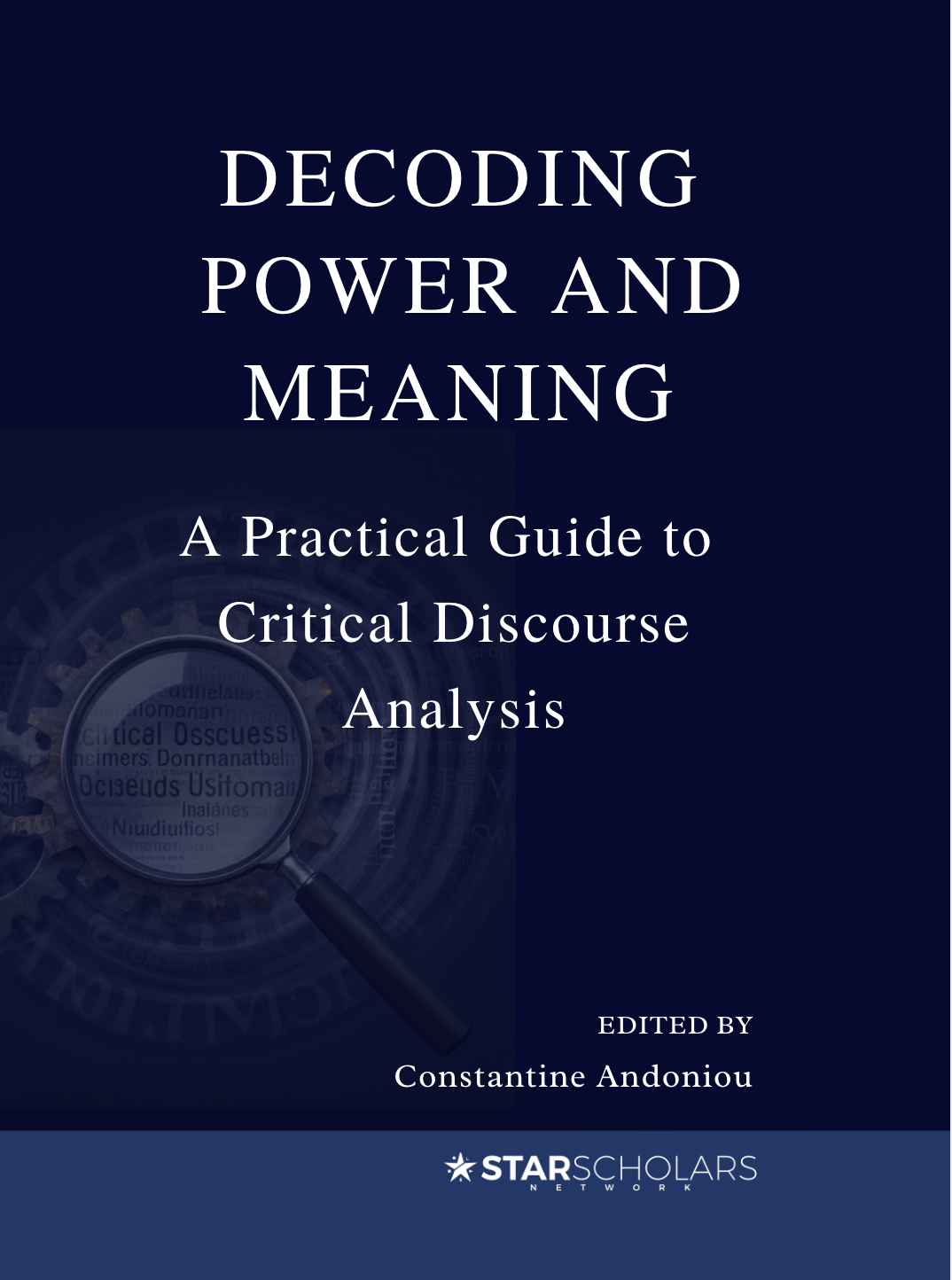
Decoding Power and Meaning: A Practical Guide to Critical Discourse Analysis offers an accessible yet rigorous introduction to examining how language shapes power, ideology, identity, and social reality. Edited by Constantine Andoniou, the volume connects foundational theories with research design, analytical methods, practical applications, scholarly writing, and emerging areas such as digital discourse, multimodality, algorithms, and artificial intelligence. Designed for graduate students, early-career scholars, and experienced researchers, it provides a clear and practical pathway for conducting thoughtful, ethical, and methodologically sound Critical Discourse Analysis across education, media, sociology, politics, communication, and related fields.
Table of Contents
Part I: Foundations of Critical Discourse Analysis
Chapter 1. Seeing the Invisible: An Invitation to CDA Constantine Andoniou
Chapter 2. The Ground We Stand On: Theories That Shape CDA Anastasia Christou
Chapter 3. Mapping the Terrain: Key Approaches to CDA Constantine Andoniou
Part II: Designing CDA Research
Chapter 4. Choosing CDA: Aligning Method and Purpose Brittany Smotherson and Irina Sofianova
Chapter 5. Building the Bridge: Designing Your CDA Study María Cruz Cuevas Álvarez
Part III: Applications and Practice
Chapter 6. CDA in Action: Lessons from the Field Georgia Papanikolaou
Chapter 7. Telling the Story: Writing CDA Research Constantine Andoniou
Chapter 8. Tools of the Trade: Building the Analyst’s Toolkit Constantine Andoniou
Part IV: Emerging Futures
Chapter 9. Beyond the Page: CDA’s Future Directions Constantine Andoniou
Publisher : STAR SCHOLARS PRESS
Published : August 6, 2026
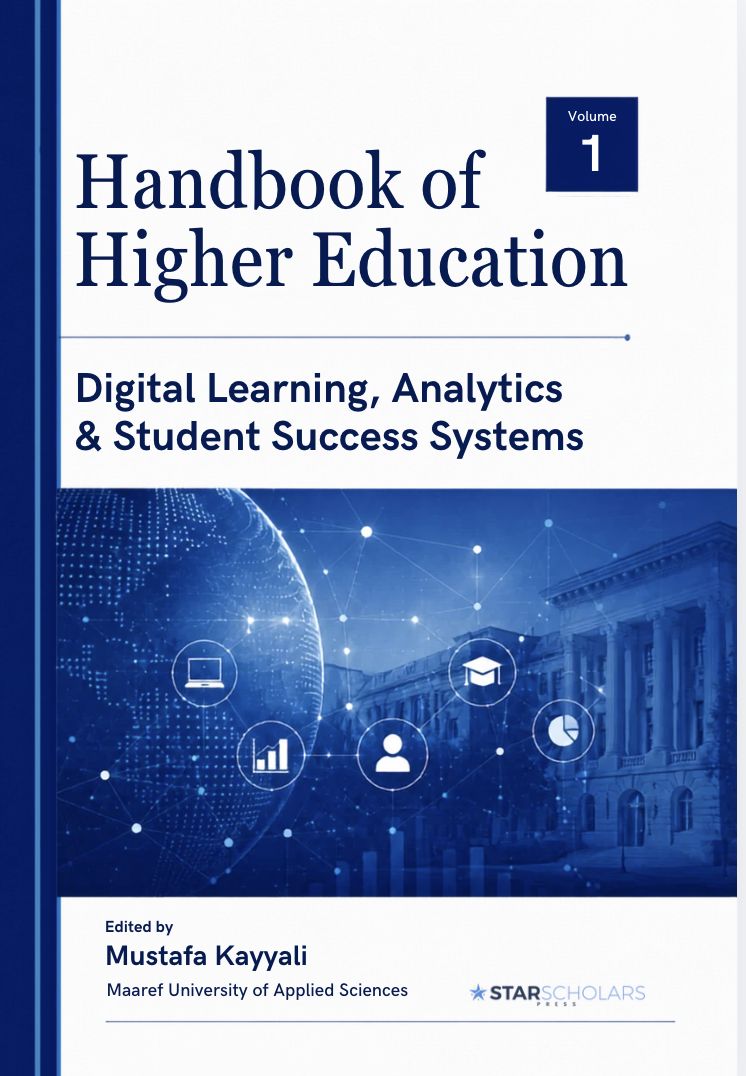
This volume investigates the powerful, often uncomfortable world of rankings, metrics, visibility, and institutional reputation. It asks how universities become legible to the world, and what they may lose when visibility becomes a governing ambition. The chapters examine performance indicators, bibliometrics, global ranking systems, reputation economies, data strategies, and international positioning. Yet the volume does not treat metrics as villains. They can illuminate, compare, and provoke improvement. Still, numbers have moods of their own. They reward certain behaviors, silence others, and reshape institutional imagination. This volume invites a more careful, ethically alert engagement with measurement.
Publisher : STAR SCHOLARS PRESS
Published : August 6, 2026
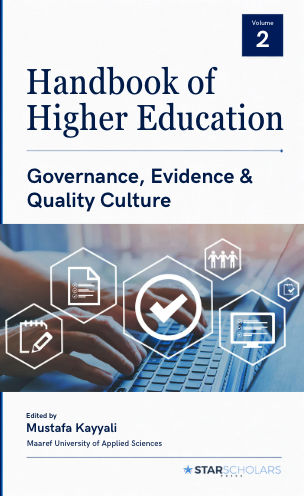
This volume explores governance not as a distant administrative machinery, but as the lived architecture through which universities decide, justify, improve, and sometimes resist change. It brings together discussions of evidence-based decision-making, institutional accountability, quality assurance, leadership, accreditation, and academic culture. The central concern is not merely whether universities collect evidence, but whether they know how to listen to it wisely. Across its chapters, the volume argues that quality culture cannot be manufactured through forms and audits alone; it grows through trust, participation, intellectual honesty, and the patient alignment of institutional purpose with everyday academic practice.

Publisher : STAR SCHOLARS PRESS
Published : August 6, 2026
Order Print or eBooks: Paperback | eBook | Amazon | Google Books | Google Play | Other distributors
Across enchanted islands and star-filled seas, brave girls and women discover the power of courage, family, memory, and freedom.
Canela, a graceful priestess, welcomes a mysterious pirate to a vibrant celebration honoring life and remembrance. Calypso, a powerful sea nymph, transforms her lonely island into a home for wanderers and raises an adventurous girl named Esmeralda. Generations later, Magnolia Summerspring becomes a fearless young journalist who uses the written word to protect the vulnerable and challenge injustice.
Connected by the sea, the stars, and a legacy of courageous women, these stories invite young readers into a world where families are created through love, truth can change society, and even one determined voice can inspire hope.
Daughters of the Sea is a richly imagined collection of magic, adventure, cultural memory, resilience, and belonging.
Series : 1
Publisher : STAR SCHOLARS PRESS
Published : August 9, 2026
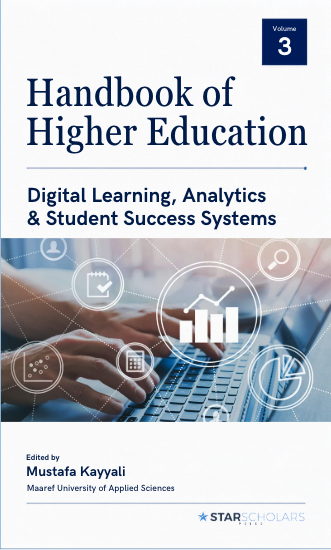
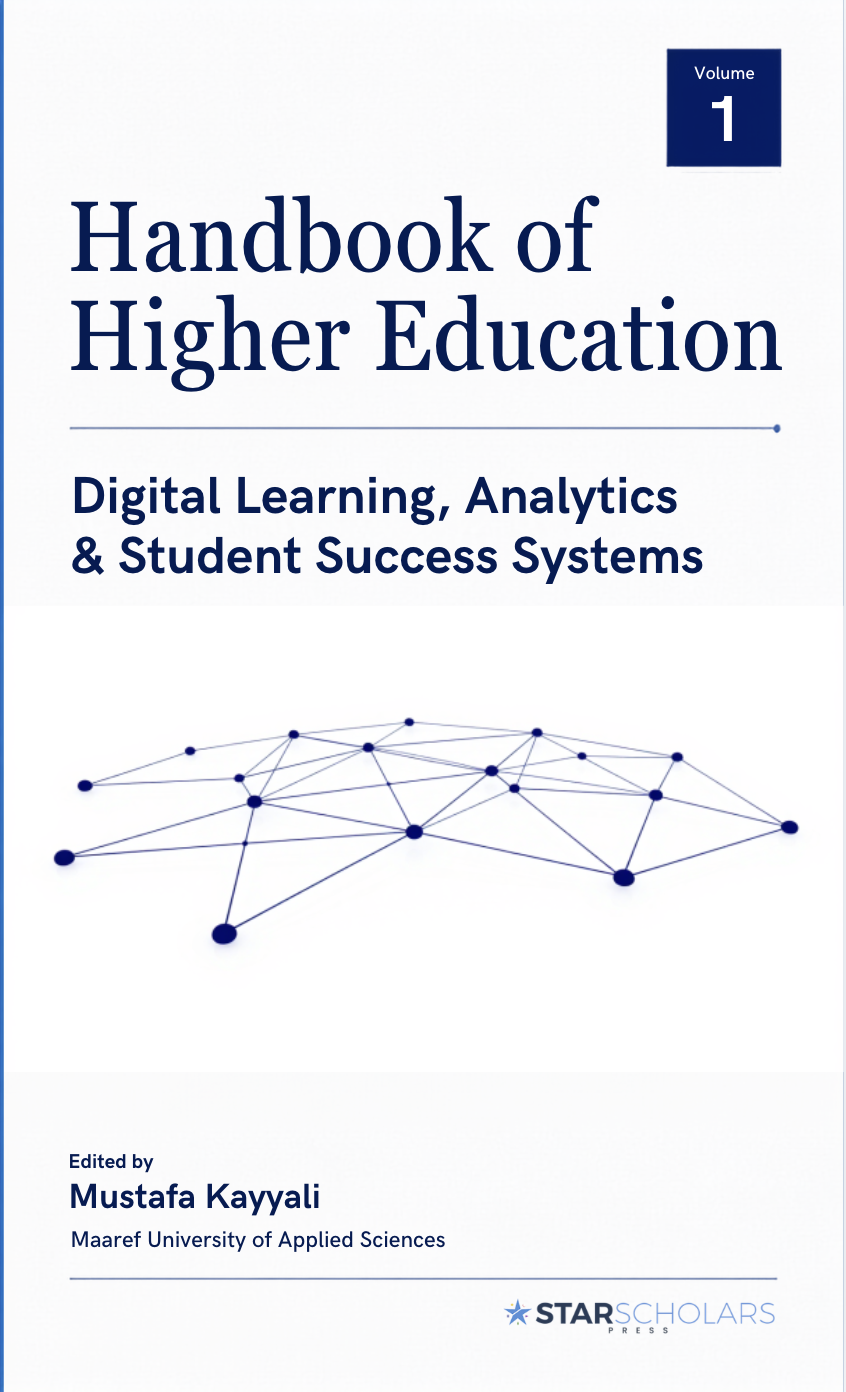
This volume examines how digital learning, analytics, and student success systems are quietly rewriting the inner grammar of higher education. It looks beyond platforms as tools and asks what happens when learning becomes traceable, adaptive, and continuously interpreted through data. The chapters explore online and hybrid learning, predictive analytics, advising systems, student engagement, retention, and the ethical use of educational data. At its core, the volume asks a difficult question: can institutions use digital intelligence to support students without reducing them to dashboards? The answer, unsurprisingly, is complex, hopeful, and sometimes unsettling.

Publisher : STAR SCHOLARS PRESS
Published : August 9, 2026
This edited volume, Advancing Local Knowledge for a Brighter and Sustainable Future, foregrounds the importance of local knowledge as a vital source of insight for addressing global educational, cultural, technological, social, and sustainability challenges. While locally grounded knowledge is often rich in context and practical relevance, its broader impact depends on its visibility within international scholarly conversations. This volume responds to that need by providing a multilingual, interdisciplinary, and globally engaged platform for knowledge exchange. Contributions explore themes related to education, intercultural communication, cultural diplomacy, governance, sustainability, language, technology, and leadership. Together, the chapters demonstrate how locally produced scholarship can inform global understanding, strengthen academic collaboration, and support a more inclusive and sustainable future. The volume is intended for scholars, educators, institutional leaders, policymakers, and practitioners interested in advancing equitable knowledge production and global academic engagement.
Publisher : STAR SCHOLARS PRESS
Published : June 30, 2026
Order Print Copies | Amazon | Hardcover | eBook | Google Books
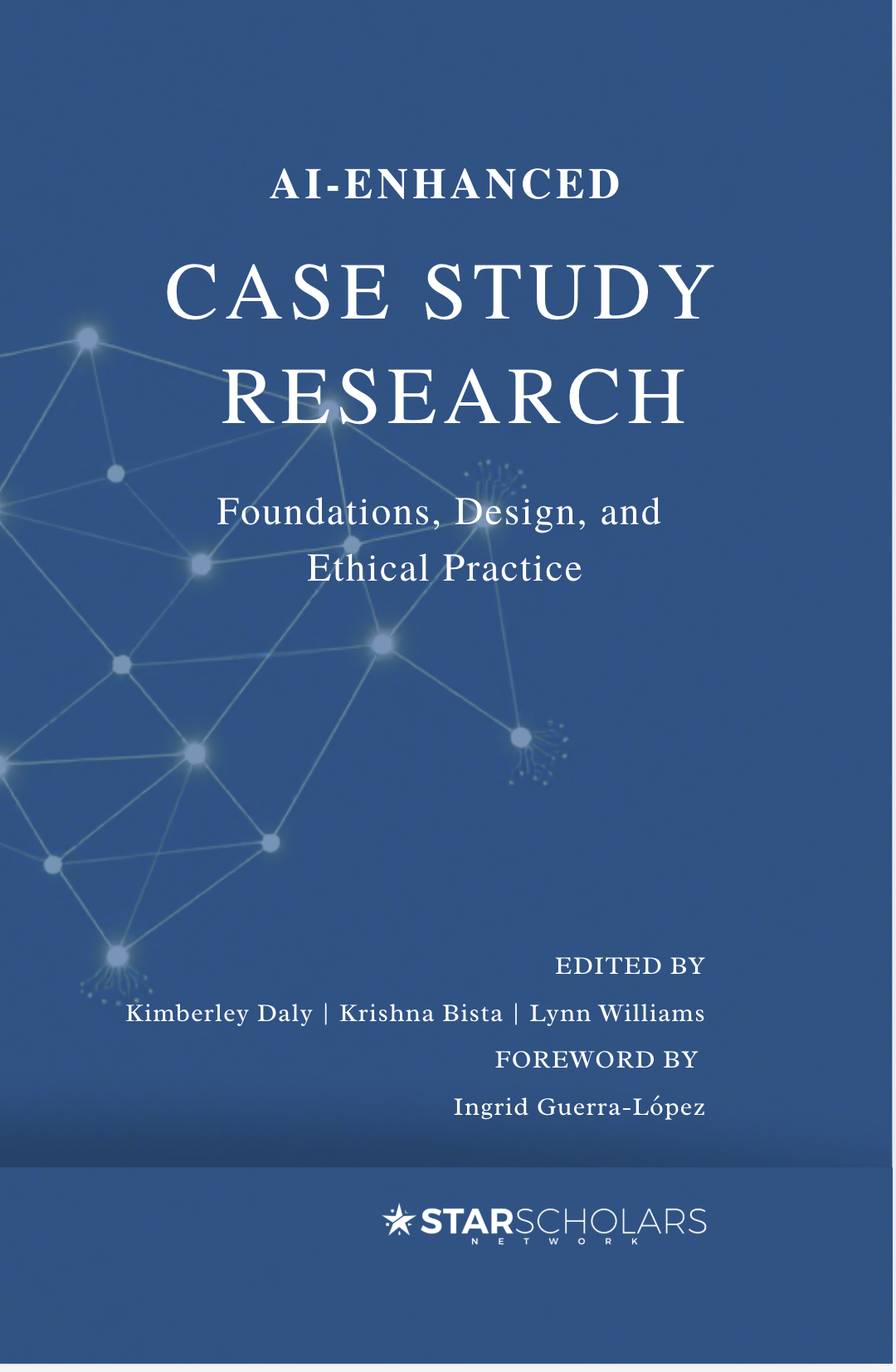
This volume examines the intersection of digital learning, learning analytics, and student success systems in contemporary higher education. Nine chapters written by scholars and practitioners from multiple geographic contexts analyze how artificial intelligence, institutional automation, faculty role transformation, and inclusive access technologies reshape higher education practice and outcomes. The volume combines theoretical frameworks with case evidence from national systems, disciplinary fields, and individual institutions. Core themes include the tension between digitalization and equity, the evolution of immersive and hybrid learning models, the role of data-informed decision-making in institutional performance, and the imperative to design digital transformations that serve all students, not only the advantaged. Intended for researchers, institutional leaders, faculty, graduate students, and policymakers, the volume argues that higher education can become simultaneously more efficient and more humane through thoughtful implementation and critical attention to context.
Publisher : STAR SCHOLARS PRESS
Published : June 24, 2026
Order Print Copies | Download eBook | Google Books | Amazon | Other Distributors
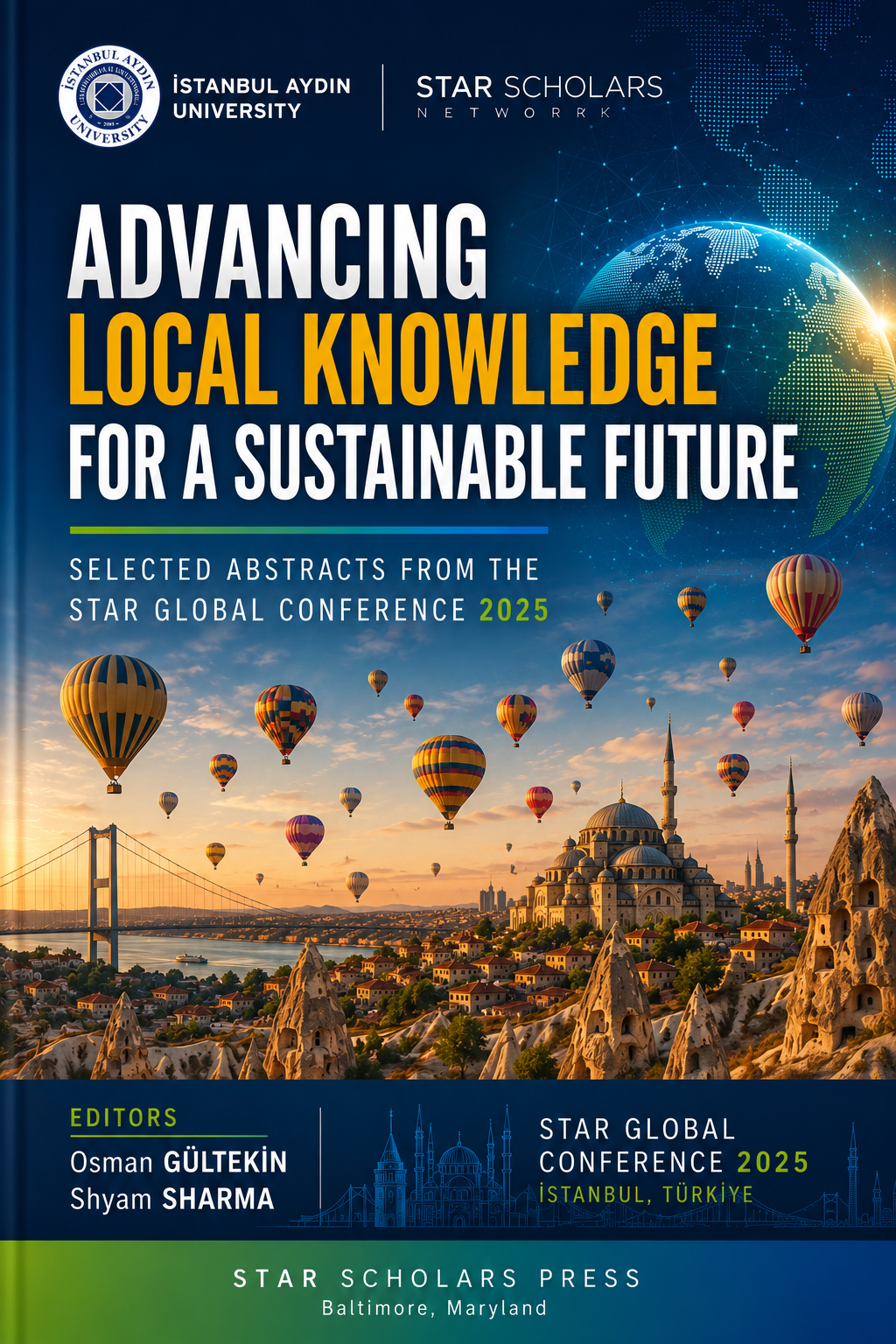
AI-Enhanced Case Study Research: Foundations, Design, and Ethical Practice offers a comprehensive and contemporary guide to conducting case study research in the evolving landscape of artificial intelligence. Bringing together international scholars from Asia, the Middle East, Europe, and the Americas, this volume explores the theoretical foundations, methodological design, analytical strategies, and ethical considerations that shape rigorous case study inquiry.
The book examines key distinctions between case study and other qualitative approaches, the philosophical roots of the method, and the conditions under which case study research is most effective. It also introduces emerging practices such as AI-assisted research design, the use of generative AI tools in drafting case narratives, and new perspectives on validity, triangulation, and researcher reflexivity.
Combining methodological rigor with practical guidance, this volume serves as a valuable resource for graduate students, researchers, and educators seeking to integrate traditional qualitative inquiry with innovative digital tools while maintaining strong ethical and scholarly standards.
List of Contributors
Asma Majeed, Kinnaird College for Women, Pakistan Bilgehan Ayik, George Mason University, United States Franklin García-Godoy, University of Tennessee Health Science Center, United States Hayfa Jafar, American University of Iraq, Iraq Ingrid Guerra-López, George Mason University Jisha John, St. Teresa’s College, India Kimberley Daly, George Mason University, United States Krishna Bista, Morgan State University, United States Laura Reyes Alardo, Universidad Federico Henríquez y Carvajal (UFHEC) / UNAPEC, Dominican Republic Maartandan Suppiah, Universiti Utara Malaysia, Malaysia María Cruz Cuevas Álvarez, Universidad Juárez Autónoma de Tabasco, México Nabiha El Khatib, Lebanese International University, Lebanon Nikan Fujii, Kyoto Notre Dame University, Japan Pinki Chahal, Indian Institute of Technology Kanpur, India Prashanth Beleya, INTI International University, Malaysia Rita Licelot Cruz, Universidad Federico Henríquez y Carvajal (UFHEC), Dominican Republic Shahin Hossain, University of Maryland, Baltimore County, United States Sreeramulu Gosikonda, Banaras Hindu University, India Tina Jaber Radhi, Birzeit University, Palestine Tridip Patir, Center of Policy Research and Governance, India
Contents
Acknowledgements ........................................................................ ix Foreword .................................................................................... x Introduction .............................................................................. xiii
Chapter 1 Case Study as Human Inquiry Reasserting Its Value in the Age of Generative AI Tridip Patir .................................................................................... 1
Chapter 2 Case Study vs. Other Qualitative Designs Key Distinctions Hayfa Jafar .................................................................................... 9
Chapter 3 Core Characteristics and Defining Features of Case Study Research Maartandan Suppiah and Sreeramulu Gosikonda .......................... 24
Chapter 4 Types of Case Studies Single, Multiple, Embedded, Intrinsic, and Instrumental Nikan Fujii, Pinki Chahal, and Prashanth Beleya ............................ 29
Chapter 5 Philosophical Roots and Key Methodologists in Case Study Research Asma Majeed ................................................................................. 39
Chapter 6 When and Why to Use a Case Study in Qualitative Inquiry Tina Jaber Rafidi and Nabiha El Khatib ......................................... 49
Chapter 7 Validity and Triangulation in Case Study Research María Cruz Cuevas Álvarez ............................................................ 57
Chapter 8 Data Analysis in Literary Case Studies Themes and Cross-Text Synthesis Jisha John ...................................................................................... 66
Chapter 9 Designing AI-Augmented Case Study Protocols From Research Questions to Pilot Testing Laura Reyes Alardo, Franklin García-Godoy, and Rita Licelot Cruz ............................................................................... 75
Chapter 10 AI-Assisted Professional Writing Using ChatGPT, Claude, and Gemini to Draft Case Narratives and Grant Proposals Shahin Hossain .............................................................................. 88
Chapter 11 Ethical Considerations in AI-Assisted Case Study Research Nikan Fujii and Bilgehan Ayik ....................................................... 97
Chapter 12 Reflexivity, Researcher Voice, and AI Balancing Human and Machine Insight Bilgehan Ayik ............................................................................... 107
Publisher : STAR SCHOLARS PRESS
Published : June 6, 2026
Advancing Local Knowledge for a Sustainable Future: Selected Abstracts from the STAR Global Conference 2025 brings together scholarly abstracts presented at the conference in İstanbul, Türkiye. Reflecting the conference theme, this digital volume highlights diverse perspectives on the role of local knowledge in addressing contemporary global challenges and advancing sustainable development. The collection features contributions from researchers, educators, practitioners, policymakers, and graduate students representing institutions across multiple countries and disciplines. Topics include higher education, artificial intelligence, educational innovation, sustainability, indigenous knowledge systems, community development, cultural heritage, language learning, leadership, social justice, health, architecture, and international collaboration.
Highlights
Global Perspectives: Research and insights from scholars, educators, and practitioners representing diverse countries and disciplines.
Local Knowledge for Sustainable Futures: Innovative approaches that connect indigenous, community-based, and local knowledge with global challenges.
Emerging Trends and Innovation: Contributions exploring artificial intelligence, educational transformation, sustainability, and social development.
Interdisciplinary Scholarship: A rich collection of abstracts spanning education, technology, culture, leadership, health, architecture, and community engagement.
How to cite: Gültekin, O., & Sharma, S. (Eds.). (2026). Advancing local knowledge for a sustainable future . STAR Scholars Press. https://doi.org/10.32674/a2ecr316
Series : 25
Publisher : STAR SCHOLARS PRESS
Published : June 30, 2026
━━━━━━━━━━━━━━━━━━━━ ORDER YOUR COPIES
F ree Copies | Print or eBook | Amazon.es | Google Books ━━━━━━━━━━━━━━━━━━━━
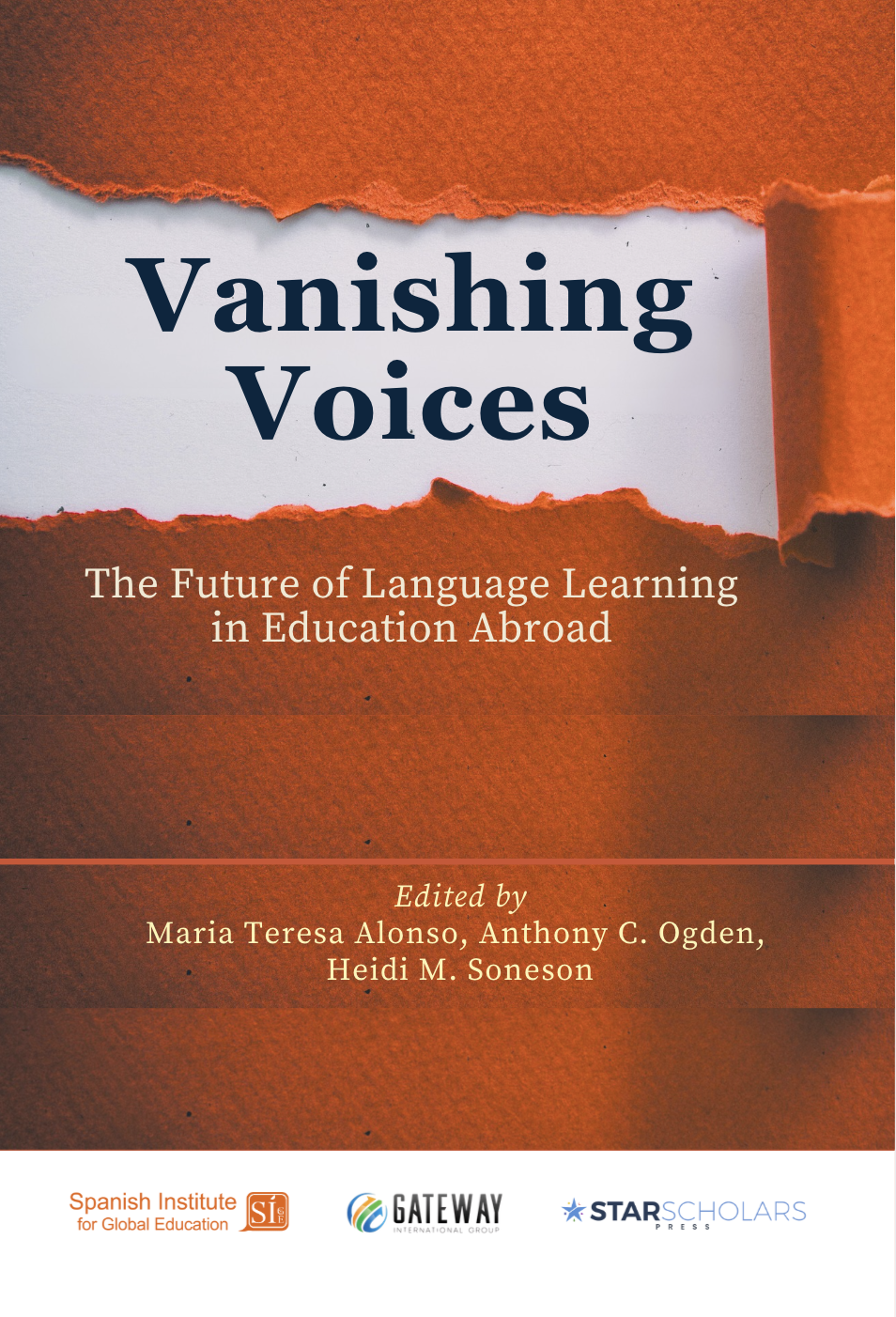
Vanishing Voices: The Future of Language Learning in Education Abroad examines one of the most pressing questions facing international education today: What happens when students study abroad without learning the language of the communities that host them? As foreign language enrollments decline and education abroad increasingly shifts toward English-taught, short-term programming, this volume explores the implications for intercultural learning, student engagement, and global understanding. Drawing on research, professional practice, and lived experience, the contributors examine the historical, institutional, and technological forces reshaping language learning in education abroad.
Bringing together leading scholars and practitioners, Vanishing Voices explores the causes and consequences of declining language study, the opportunities and limitations of artificial intelligence, innovative approaches to program design, and the powerful ways language shapes identity, belonging, and intercultural understanding. Grounded in student stories, the volume argues that language remains far more than a tool for communication—it is a gateway to deeper cultural understanding, meaningful engagement, and transformative learning. Essential reading for international educators, faculty, administrators, and researchers, Vanishing Voices challenges readers to reconsider the role of language in preparing students to thrive in an increasingly interconnected world.
Editors
María Teresa Alonso, Ph.D., is the Founder and President of the Spanish Institute for Global Education, and she has been a professor of Anthropology at the University of Seville and Vice Dean of the School of Education at the Loyola Andalusia University. Her major research interests include language learning, teacher training, and innovative methodology.
Anthony C. Ogden, Ph.D., is the Founder and Managing Director of Gateway International Group, a consultancy specializing in international higher education. He is a respected educator with over 25 years of experience and has held senior leadership roles at Pennsylvania State University, the University of Kentucky, Michigan State University, and the University of Wyoming. With more than 60 publications, Dr. Ogden is also a prolific author whose work demonstrates his expertise and influence in international higher education.
Heidi M. Soneson, Ph.D. , has worked in international education since 1983, holding leadership roles at the University of Wisconsin–River Falls and the University of Minnesota. She has led institution-wide initiatives in international student services and education abroad, served in leadership positions with NAFSA and The Forum on Education Abroad, and published extensively on education abroad policy and practice.
Table of Contents
Acknowledgements ..... i The Pillars of Hercules ..... ii Introduction of the Spanish Institute for Global Education ...... 1 Introduction Vanishing Voices: The Future of Language Learning in Education Abroad ..... 15
SECTION ONE Historical Foundations and Shifting Contexts of Language Learning
Engagement in Practice: Immersion, Independence, and Language Learning ..... 23 Chapter 1: Language Learning in U.S. Higher Education: Trends and Tensions ......27 Chapter 2: Language Learning in U.S. Education Abroad: Shifting Realities and Institutional Responses ....... 37
SECTION TWO Artificial Intelligence and Language Learning
Engagement in Practice: Technology, Mediation, and Language in an AI-Enabled World ..... 49 Chapter 3: The Introduction of AI and Its Broader Impact on Higher Education..... 53 Chapter 4: Harnessing AI to Enhance Language Learning: Vocabulary Acquisition, Pre-Departure Preparation, and In-Country Engagement.....63
SECTION THREE Program Modalities and Curricular Strategies for Language Integration
Engagement in Practice: Program Design, Structured Learning, and Language Integration ..... 77 Chapter 5: Integrating Language through Program Design and Curricular Innovation ...... 81 Chapter 6: Redesigning Advising, Orientation and Co-Curricular Learning .....95
SECTION FOUR Language and Identity in Education Abroad
Engagement in Practice: Identity, Belonging, and the Personal Dimensions of Language ...... 109 Chapter 7: Language, Power and the Dynamics of Belonging ..... 113 Chapter 8: Language, Emotion and Vulnerability of Learning Abroad ..... 123 Partnerships in Practice: Community Engagement and Internships ...... 135
Contributing Editors ..... 141 Contributing Authors ..... 142
Contributing Authors
David Becerra Alonso, Ph.D., is an Associate Professor at Universidad Loyola, Andalucía, Spain, and collaborates with the AYRNA research group at the University of Córdoba.
Carlos Aguasaco, Ph.D., is a Professor of Latin American Cultural Studies and Chair of the Department of Interdisciplinary Arts and Sciences of City College of the City University of New York (CUNY).
Giselda Beaudin, M.A., is the Executive Director of Global Initiatives at Rollins College, Winter Park, Florida.
Dan P. Dewey, Ph.D., is a Professor of Linguistics and Second Language Acquisition and Department Chair of Linguistics at Brigham Young University, Provo, Utah.
James Eckler, M.Arch, M.Sc., is a Professor of Architecture, Academic Vice President and Dean of Reap College of Creative and Professional Studies at Marywood University, Scranton, Pennsylvania.
Timothy Lynn Elliott, Ph.D., is the Director of the Office of International Study Programs at Brigham Young University in Provo, Utah.
Chrissie Faupel, Ph.D., is the Director of International Affairs at the University of Minnesota Duluth. An active member of NAFSA and AIEA, she contributes regularly to the advancement of the international education field.
Bethany Galipeau-Konate, MBA, D.Prof. is the Executive Director of Global Education at Shenandoah University in Winchester, Virginia.
Erin Hillis, Ph.D., is the Executive Director of the Buckman Center for Global Engagement and a senior international officer at Rhodes College in Memphis, Tennessee.
Christina Isabelli, Ph.D., is a Professor of Spanish Linguistics and Associate Provost for Global Engagement at Gonzaga University in Spokane, Washington.
Megan Jones, Ph.D., is the Director of the Center for Global Education at Drew University in Madison, New Jersey.
Dana Lindaman, Ph.D., is the Department Head of World Language and Cultures at the University of Minnesota Duluth and Associate Professor of French Studies.
Myriam Monterrubio is a certified English teacher and consultant in Seville, Spain. She is the co-author of five English-language series for kindergarten students and the creator of Talkies-Based Learning (TBL).
Kate Moore, Ed.D., is the Principal and Founder of the Global Career Center in Boston, Massachusetts. She authored the NAFSA book, Internships, Service-Learning and Research Abroad and was lead contributor for the chapter “Program Types: A Matrix for Cross-sectional Analysis” within Education Abroad: Bridging Scholarship and Practice.
Marcia Morgan, Ph.D., is Dean of Global Education and Professor of Philosophy at Muhlenberg College in Pennsylvania. She teaches courses on ethics, social-political thought, law and morality, and organizational leadership.
Mary Kate Naatus, Ph.D., is Associate Professor in the Department of Marketing in the Stillman School of Business, Dean of Continuing Education & Professional Studies, and Associate Provost for Partnerships & Global Initiatives at Seton Hall University in South Orange, New Jersey.
Jessica A. Quintana Hess, Ms.Ed., is the Assistant Dean of Global Initiatives & Programs at Marywood University in Scranton, Pennsylvania.
Sarita Rai, Ph.D., is the Director and a faculty member at the University of Hawaiʻi at Manoa (UHM) Study Abroad Center.
Jennifer Rathbun, Ph.D., is a poet and translator, Professor of Spanish, Chair of the Department of Modern Languages and Cultures, and Chair of the Department of Philosophy at Ball State University, in Muncie, Indiana.
Mary Alice Soriero, MS.Ed, is Director of Academic Affairs at the CEA CAPA Education Abroad, Seville, Spain Center and Adjunct Professor at Loyola University Andalucia.
Leah Spinosa De Vega, M.A . is the Executive Director of Global Initiatives at Augsburg University in Minneapolis, Minnesota. Her research interests include language and intercultural agility in therapeutic relationships.
Therese Tardio, Ph.D., is a Teaching Professor of Hispanic Studies and Director of the Humanities Scholars Program at Carnegie Mellon University in Pittsburgh, Pennsylvania.
Christina Marie Villarreal, Ph.D., is Director of University Partnerships and Development at the Spanish Institute for Global Education in Seville, Spain.

Publisher : STAR SCHOLARS PRESS
Published : May 20, 2026
A luminous, meditative novel of love, longing, and the quiet search for meaning.
Set against the sacred landscapes and intimate social worlds of Nepal, Shreemati unfolds not as a conventional story, but as a deeply reflective journey through the emotional and spiritual terrain of human life. From the evocative opening in a temple courtyard under a full moon to its quietly profound reflections on love and impermanence, the novel invites readers into a world where every gesture, silence, and passing moment carries meaning.
At its heart, Shreemati is a story of a relationship of two individuals drawn together not only by affection but by an unspoken understanding that love must be reconciled with truth, duty, and the deeper questions of existence. Through restrained prose and poetic imagery, Tirtha Raj Pandeya captures the subtle tensions between inner desire and social expectation, between fleeting beauty and enduring memory.
For readers beyond South Asia, the novel offers a rare and intimate window into Nepali cultural life, its spiritual rhythms, its social textures, and its deeply human concerns.
Advance Praise
“ Shreemati ” refers to a married woman. It also signifies one of the most complex and demanding roles a woman fulfills in life. Through one of the novel's central characters, the author presents the wife as a source of divine strength and eternal consciousness, expressing deep respect for womanhood." — Dr. Neelam Karki Niharika, author of Chirharan and Yogmaya , and recipient of the prestigious Madan Puraskar Award
“Quietly mesmerizing… Shreemati is a novel that asks you to slow down and listen—to silence, to longing, to the spaces between words.” — Professor (Dr.) Krishna Bista, Morgan State University, Baltimore, USA
“Shreemati” is a tender and haunting meditation on love as a vow, in which faith, desire, and marital commitment are not slogans but lived experience woven into the intimate moral ecosystem of Nepali society." — Emeritus Professor, Gopi Upreti Professor, Tribhuvan University, Nepal
" This is a novel that stays with the reader long after the final page, an invitation to contemplate love’s endurance and the fragile, intricate architecture of the human heart." — Professor (Dr.) Marohang Yakthung, Michigan State University, East Lansing, USA
"In Shreemati, Tirtha Raj Pandeya explores displacement, remembrance and ethical accountability through the lens of enduring love in a poignant way. The novel honours the patience, sacrifices, and inner strength of women who anchor families across oceans and generations." — Professor (Dr.) Basu Sharma, University of New Brunswick, Canada
“A work of rare introspection and grace. Pandey transforms the ordinary into something luminous and enduring.” — Professor (Dr.) Uttam Gaulee, President of STAR Scholars Network, USA
“ Shrimati beautifully presents the realities, struggles, and silent strength of women while preserving the language, art, and culture of Sudurpashchim and Karnali. Through historical narrative, social realities, positive discourse, and literary expression, the novel seeks to redefine the role of women in Nepali society in a new light.” — Professor (Dr.) Hemraj Pant, Vice Chancellor, Far Western University, Nepal Video: Reviewed by Dr Naba Raj Lamsal , Poet & and recipient of the prestigious Madan Puraskar Award
Publisher : STAR SCHOLARS PRESS
Published : May 24, 2026
Order your copies | Amazon | Hardcover | Paperback | eBook | Google Books |
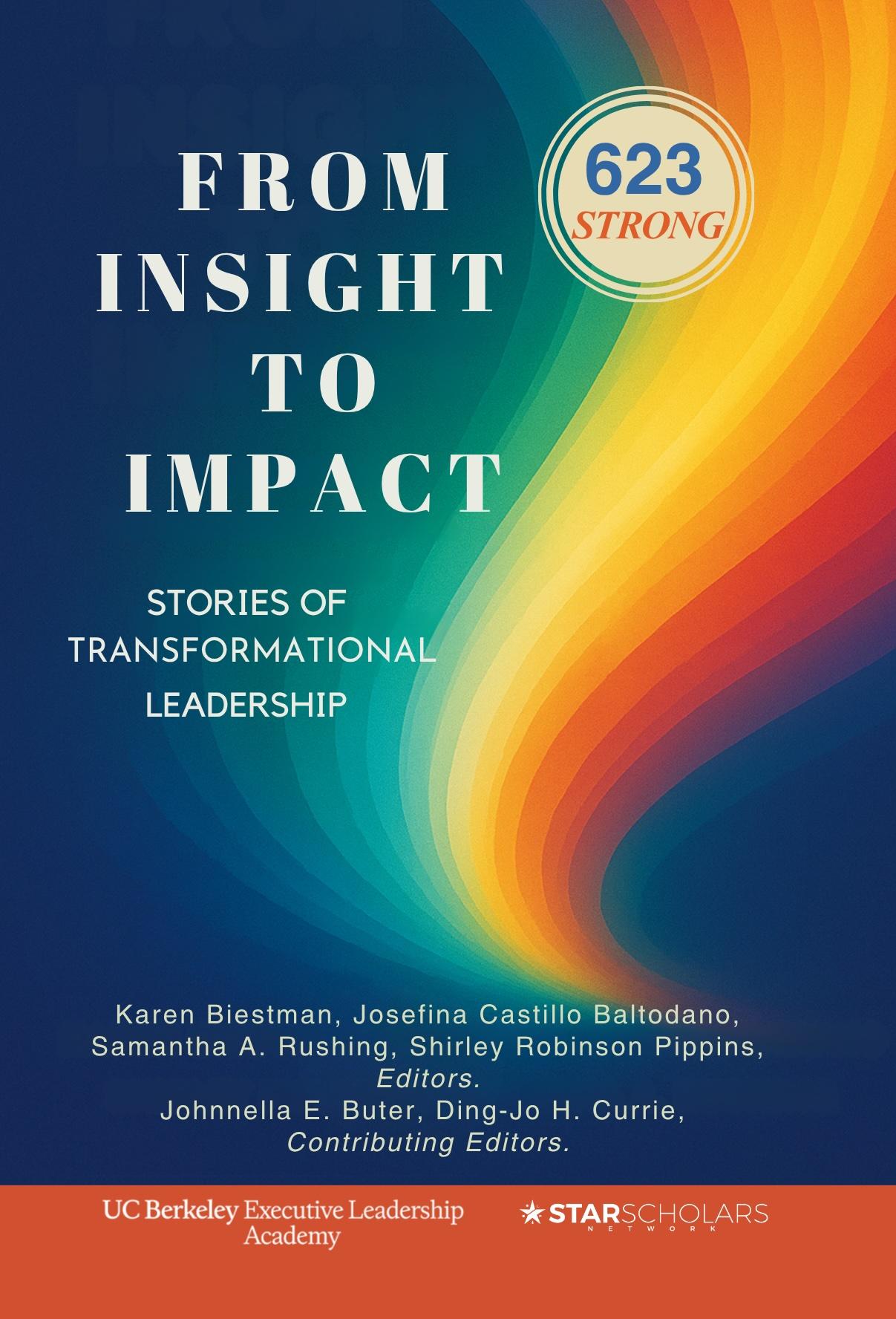
From Insight to Impact: Stories of Transformational Leadership offers a powerful collection of personal narratives and leadership lessons from alumni of the University of California, Berkeley’s Executive Leadership Academy (ELA). Drawing from a diverse group of presidents, provosts, deans, senior administrators, and emerging leaders from public and private institutions, the chapters reveal how ELA’s core teachings—courage, authenticity, empathy, collaboration, adaptability, and imagination—shape real-world decision-making. Each contributor shares a lesson learned, a leadership principle refined, or a transformative moment that reshaped their approach to navigating today’s rapidly evolving academy.
At a time of profound change in higher education, these stories illuminate how leaders cultivate purpose, strengthen institutional culture, and create environments where people and ideas can thrive. The narratives reflect a shared commitment to service, mentorship, and community—grounded in a belief that leadership is not only about managing complexity but about envisioning what institutions can become. It invites current and aspiring leaders to reflect on their own journeys and to navigate the academy with integrity, curiosity, and a renewed sense of possibility. Editors
Karen Biestman, J.D. Assistant Vice Chancellor, Office for Organizational Transformation, University of California, San Diego | La Jolla, California
Josefina Castillo Baltodano, J.D. Founder and Executive Director Emerita, Executive Leadership Academy, University of California, Berkeley | Berkeley, California and former President, Marian University | Fond du Lac, Wisconsin
Samantha A. Rushing Associate Director and Executive Assistant to the Advisory Board, Executive Leadership Academy, and former Program Administrator, Berkeley Global Executive Education, University of California, Berkeley | Berkeley, California
Shirley Robinson Pippins, Ed.D. Senior Search Consultant and Executive Coach, Academic Search | Washington, DC, and Former President, Suffolk County Community College | Long Island, New York
Johnnella E. Butler, Ed.D. Former Provost and Vice President for Academic Affairs, Spelman College | Atlanta, Georgia and former Associate Dean, The Graduate School, University of Washington | Seattle, Washington
Ding-Jo H. Currie, Ph.D. Distinguished Faculty and Director, Leadership Institute for Tomorrow, California State University, Fullerton | Fullerton, California and former Chancellor, Coast Community College District | Costa Mesa, California
Table of Contents
Foreword Preface A Brief History of the Executive Leadership Academy Introduction
Transformative Leadership: Aspirations Shaped by Purpose and Collaboration Ching-Hua Wang & Emily Prieto-Tseregounis
Transformative Leadership: Lessons from the Berkeley Executive Leadership Academy Mary C. Schutten
Leading with Purpose: A Journey of Resilience, Equity, and Transformative Leadership Jamillah Moore
From Reflection to Action: How ELA Empowered Me to Lead as My Whole Self Belinda Zamacona de Martinez
The Evolution of Leadership: Transitioning from Systemic Analysis to Adaptive Leadership Alicia B. Becton
Becoming an Intentional Leader: Lessons from the Executive Leadership Academy Sergio La Porta
Authentic Leadership in Turbulent Times Claire Oliveros
Leading in a Multicultural & Global Environment in Five Lessons Thomas Poon
Reflections at Year 4 of the Fresno State Presidency Saúl Jiménez-Sandoval
Biographies: Editors and Contributors

Publisher : STAR SCHOLARS PRESS
Published : May 9, 2026
Two kilometers from Gaza, a Palestinian–Bedouin professor begins her mornings in quiet prayer, tending to her garden as rockets arc across the sky. By afternoon, she is in a classroom, teaching Jewish and Arab students in one of Israel’s most politically charged academic spaces. By night, she is a mother and grandmother, carrying memories of Rafah, tribal traditions, and a childhood shaped by crossing invisible lines.
In On the Border , she tells the story of a life lived in tension, between tribe and state, between loyalty and suspicion, between war and scholarship. Accused of betrayal by some and normalization by others, she refuses the simplicity of choosing sides. Instead, she insists on complexity, on dialogue, and on the moral courage to hold multiple truths at once.
Through vivid scenes of childhood in Gaza and her fight to enter university in a society that told her girls should stay home, her rise to become one of the first Bedouin women professors in Israel, and her experience of October 7th from the edge of war, this autoethnography reveals the intimate cost of living at the seam of history.
At once deeply personal and politically urgent, On the Border is a story of resilience, intellect, motherhood, and the quiet strength required to remain human when every side demands allegiance. It is a rare and necessary portrait of what it means to live and to think between worlds.
Author
Nuzha Allassad Alhuzail, Ph.D . , is a Professor of Social Work at Sapir Academic College and a leading scholar on Bedouin society, gender, social justice, and conflict. She serves as Chair of the Committee for the Advancement of Arab Students and the Promotion of Fairness and Partnership between Arabs and Jews on the Sapir campus, and heads the National Center for Knowledge, Policy, and Research on Bedouin Society in the Negev. Dr. Alhuzail is also a Board Member of the European Social Work Research Association and an international lecturer with the Israel Institute.
“A courageous and intellectually compelling memoir that challenges simplistic narratives.” — Kris Clarke, University of Helsinki, Finland
“An illuminating account of resilience, womanhood, and academic life between worlds.” — Collins B. Bugingo, Cornell University, USA
“A timely and necessary work that gives voice to histories too often left untold.” — Jim Campbell, University College Dublin, Ireland
“A unique and insightful perspective on the journey of a Bedouin woman in a changing society.” — Alan Frazier, University of North Dakota, USA

Publisher : STAR SCHOLARS PRESS
Published : July 20, 2025
Set sail on the journey of a lifetime!
When ten-year-old Amos boards the Vision of the Seas with his parents for a Caribbean cruise, he has no idea that every day will become a story worth telling. From conquering a rock wall and floating through CocoCay to tasting chocolate in Atlantis and racing through a tropical rainstorm, Amos discovers that adventure lives not just in faraway islands—but also in bravery, laughter, and listening to the world around him.
Perfect for readers ages 8–11 who dream big, travel far, and love a good story.

Publisher : STAR SCHOLARS PRESS
Published : December 1, 2024
This book is a comprehensive guide for doctoral students, early-career researchers, and educators navigating the complexities of qualitative research. This book bridges traditional qualitative methods with innovative AI tools, providing a step-by-step framework from research design to publication.
Key features include:
Practical explanations of major qualitative approaches such as phenomenology, case study, grounded theory, ethnography, and narrative research.
Integrating AI tools (e.g., NVivo, MAXQDA, ChatGPT, EndNote) to enhance data collection, analysis, and writing.
Real-world examples, reflexive prompts, and templates to guide your research process.
Strategies for ensuring rigor, trustworthiness, and ethical considerations in qualitative studies.
Actionable advice for structuring dissertations and publishing in top-tier journals.
With a focus on clarity, innovation, and academic rigor, this book equips researchers with the skills to produce high-quality qualitative research while embracing the potential of emerging technologies. Whether you are starting your dissertation or preparing for publication, this book is an essential companion on your qualitative research journey.
Table of Contents
Chapter 1: AI Tools for Qualitative Research Writing Why Use AI Tools in Qualitative Research? Benefits of Using AI Tools in Qualitative Research Ethical Considerations and Responsible AI Use AI Tools for Writing and Developing Interview Questionnaires AI Tools for Literature Review and Reference Management AI Tools for Data Collection AI Tools for Data Analysis and Coding AI Tools for Proofreading AI Tools for Visualizing and Presenting Data
Chapter 2: Foundations of Qualitative Research Qualitative Research: Nature, Purpose, and Characteristics Philosophical Foundations Types of Qualitative Methods/Approaches Designing a Qualitative Study Activity 1: Identifying Qualitative Approaches Activity 2: Research Design Draft Activity 3: Exploring Philosophical Foundations
Chapter 3: Narrative Research – Life Stories Characteristics of Narrative Research Types of Narratives Steps for Conducting Narrative Research Data Sources in Narrative Research Suggested Topics for Narrative Research Integrating AI Tools in Narrative Research Narrative Research Design Sample
Chapter 4: Phenomenology Research – Lived Experiences Characteristics of Phenomenology Types of Phenomenology Steps in Conducting Phenomenological Research Data Sources for Phenomenology Practical Topics for Phenomenological Research Phenomenological Research Sample
Chapter 5: Grounded Theory Research – Building Theory from Data Characteristics of Grounded Theory Types of Grounded Theory Steps for Conducting Grounded Theory Research Data Sources for Grounded Theory Practical Topics for Grounded Theory Research ChatGPT Prompts for Grounded Theory Grounded Theory Research Design Sample
Chapter 6: Ethnography Research – Exploring Cultures Characteristics of Ethnography Types of Ethnography Steps for Conducting Ethnographic Research Data Sources in Ethnography Practical Topics for Ethnographic Research ChatGPT Prompts for AI Tools in Ethnographic Research Virtual Ethnography Research Design Sample
Chapter 7: Case Study – In-Depth Exploration of Cases Characteristics of Case Study Research Types of Case Study Research Steps for Conducting Case Study Research Data Sources for Case Study Research Practical Topics for Case Study Research ChatGPT Prompts for AI Tools in Case Study Research Case Study Research Design Sample
Chapter 8: Action Research – Solving Real-World Problems Characteristics of Action Research Steps in Conducting Action Research Data Sources in Action Research Practical Topics for Action Research Action Research Cycle ChatGPT or Google Gemini Prompt for Scholars Action Research Design Sample
Chapter 9: Content Analysis – Systematic Data Interpretation Characteristics of Content Analysis Steps in Conducting Content Analysis Data Sources for Content Analysis Practical Topics for Content Analysis Content Analysis Research Design Sample
Chapter 10: Data Collection Methods with AI Integration Interviews and Focus Groups Observations and Field Notes Document and Artifact Analysis Ethical Considerations for Data Collection Sample Size and Sampling Methods
Chapter 11: Data Analysis and Visualization Coding Process Manual vs. AI-Assisted Coding Analyzing Text and Visual Data Representing and Visualizing Data ChatGPT Prompts to Generate Themes/Codes
Chapter 12: Writing and Publishing Qualitative Research Structuring Your Dissertation or Journal Article Sample Research Topic ChatGPT Prompts for Research Papers Publishing Strategies Peer-Reviewed Journals for Qualitative Research Qualitative Journal Article Evaluation Rubric Qualitative Research Terminologies
Publisher : STAR SCHOLARS PRESS
Published : February 8, 2026
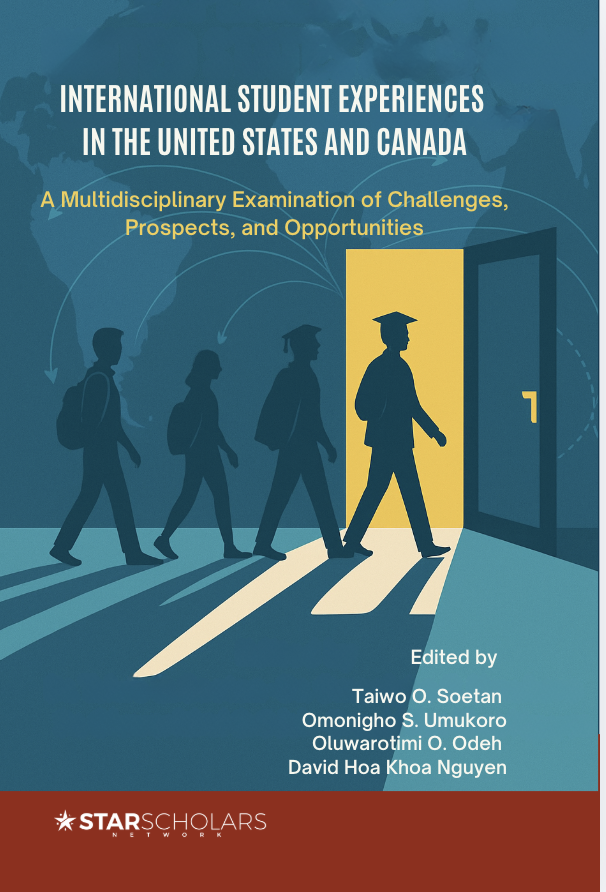
This edited volume offers a rigorous, multidimensional exploration of the international student journey across the United States and Canada. Drawing on diverse disciplinary perspectives and current research, the book illuminates the cultural, academic, and psychosocial challenges students face—from initial adjustment and language barriers to identity development and community integration—while also highlighting the long-term opportunities that shape their educational and professional trajectories.
Beyond documenting student experiences, the book situates international education within broader demographic and workforce realities, particularly the growing reliance on global talent to address aging labor markets in North America. By bringing together scholars from around the world, this volume provides a timely and comprehensive resource for researchers, educators, policymakers, and higher education leaders committed to supporting international student success and strengthening global mobility pathways.
Edited by Taiwo O. Soetan, Omonigho S. Umukoro, Oluwarotimi O. Odeh, and David Hoa Khoa Nguyen
Taiwo O. Soetan (Ph.D.) was an Associate Professor of Business at the School of Business and Entrepreneurship, Dickinson State University (DSU), Dickinson, North Dakota, and an External Examiner in the Graduate (Doctoral) Program at the School of Leadership Studies, Fielding Graduate University, California, United States. Prior to DSU, Soetan taught several business courses as a full-time faculty at two of Canada’s higher education institutions. He obtained his graduate qualifications at the Master level (MBA, ME, MA, and MSc) and Ph.D. from universities in the U.K, Canada, and the U.S. Dr. Soetan is a Project Management Professional (PMP), and his articles have been published in peer review journals and edited books. He is the co-author of the book, “Financial services in Nigeria: The path towards financial inclusion, economic development, and sustainable growth” that was published by Palgrave Macmillan.
Omonigho Simon Umukoro (Ph.D.) is a faculty at the Department of Psychology, Faculty of Social Sciences at the University of Lagos, Nigeria. He is an accomplished scholar and educator with a diverse background in organizational and social psychology. He holds a Ph.D. in Psychology from the University of Ibadan where he received commendations and a prize for the publication of his doctoral thesis. With an impressive academic journey that includes a master’s degree, a Bachelor’s degree and a Professional Diploma in Statistics, Dr. Umukoro has consistently demonstrated his commitment to scholarship. He is an active member of various professional organizations including the Nigerian Psychological Association, the American Psychological Association, and a host of others, showcasing his dedication to advancing the field of Psychology. He is a recipient of Award for the 2023 ARVA-Carnegie Early Career Postdoctoral Fellowship. He recently completed his research fellow at the ARVA Center of Excellence in Notions of Identity at Makerere University, Kampala, Uganda.
Oluwarotimi Odeh (Ph.D.) is a Professor of Agricultural Economics with more than 18 years of experience as a faculty member, a mentor, and advisor to students in three public universities in the United States. Before he immigrated to the United States in early 2001 for his graduate studies, he worked for Nigeria’s premier bank for several years. He is currently the Rolland Starn Endowed Chair of Agriculture at California State University, Stanislaus, California, where he oversees the institution’s agriculture program. Dr Odeh has most recently been a recipient of the Carnegie African Diaspora Program and recently completed a seven-month Fulbright Fellowship in Nigeria, where he was a mentor and advisor to many students and young faculty members. He sits on the advisory board of local schools and provides input to enhance learning experiences of students in and out of the classroom.
David Hoa Khoa Nguyen (Ph.D.) is an Associate Professor of Urban Education Leadership and Policy and an Adjunct Professor of Law at Indiana University, Indianapolis, United States. Prior to academia, Nguyen was a full-time practicing attorney in immigration, family, and administrative law. He is licensed to practice in the state and federal courts of Indiana, North Dakota, and Texas. He has a BSc Ed. In Secondary Education and an MBA, J.D., AND Ph.D. in Education Policy Studies from Indiana University. He obtained a Master of Advanced Legal Studies from Leiden University in the Netherlands as a Rotary Foundation Ambassadorial Scholar.
Table of Contents
Foreword Art R. Malloy
Series Editor’s Note Krishna Bista
Chapter 1
Pre-Departure Preparation for African International Students in U.S. and Canadian Higher Education Institutions Alice Kanyama
Chapter 2
Intercultural Communication Experiences of International Students: An Example from a Post-Soviet Context Oseremi Olivia Jagbojo
Chapter 3
International Transfer Students at U.S. Community Colleges Caitlyn Potter Glaser
Chapter 4
Care and Academic Mobility: Narratives of International Doctoral Student Mothers from the Global South Yulu Hou
Chapter 5
Welcoming the Whole Household: Ethical Responsibilities Toward International Graduate Student Families in Christian Higher Education Junyan (Emma) Zhu
Chapter 6
Navigating Dual Worlds: The Lived Realities of International Graduate Student Parents in U.S. Higher Education Sayyora Ibadullaeva
Chapter 7
“It’s a Bigger Sea, You’re Gonna Need a Strong Boat”: International Students’ Experiences of Academic Expectations and Setbacks in Canada Susan He
Chapter 8
Student Engagement and Leadership as a Support System for International Students Laura Vaughn and Van Anh Tran
Chapter 9
A Review of Syllabus Design for Online Courses in American Higher Education Yusuf Marafa
Chapter 10
From Misconception to Separation: How Race Affects International Students’ Sense of Belonging in the United States Adrijana Miladinović
Chapter 11
Fitting In and Holding On: A Model-Based Autoethnography of Micro-Level Acculturative Stressors Among African-Born International Students in the U.S. Ehi-Kowochio Blessing Ogwiji
Chapter 12
International Students’ Perceptions of Campus Sexual Violence Prevention Programs Wei Dai
Chapter 13
Understanding the Mental Health Experiences of Racialized International Students in Canada JesusMiracle Chiadika
Chapter 14
Contributions of International Student Athletes to the U.S. and Canadian Economies Eniola Soetan and Taiwo O. Soetan
Publisher : STAR SCHOLARS PRESS
Published : February 4, 2026
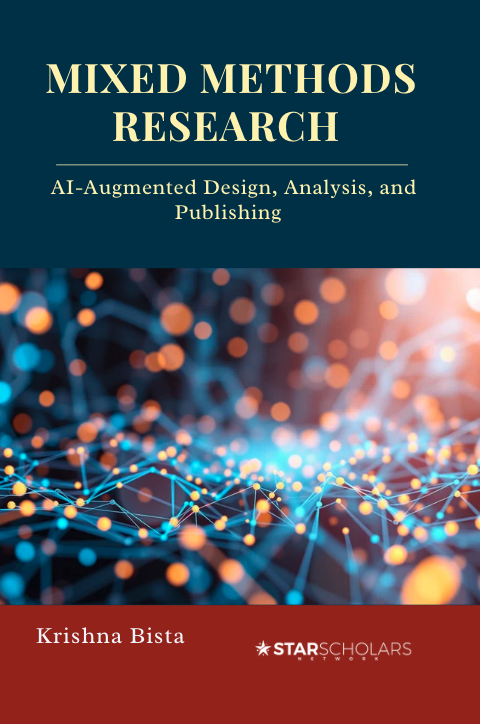
Mixed Methods Research: AI-Augmented Design, Analysis, and Publishing is a practical and scholarly guide for doctoral students, faculty members, institutional researchers, and interdisciplinary scholars seeking to conduct rigorous mixed-methods studies. While grounded in education and the social sciences, it is relevant to researchers in health, policy, business, and STEM fields. The book provides a roadmap from research design to publication. It covers foundational mixed methods paradigms, core designs, integration strategies, and meta-inference development. It also demonstrates how AI tools such as ChatGPT, Google Gemini, and Microsoft Copilot can be used responsibly to support literature reviews, instrument design, data analysis preparation, writing, and revision without compromising rigor or ethics. Each chapter blends conceptual clarity, applied examples, and practical workflows suitable for doctoral courses, faculty development, and research teams.
Key Features
Rigorous Mixed Methods Framework Guidance on design selection, integration, joint displays, and defensible interpretation.
Responsible AI Integration Structured use of AI tools across research phases with attention to ethics, bias, and transparency.
From Research to Publication Strategies for manuscript development, journal targeting, and navigating peer review.
CONTENTS
CHAPTER 1
What Is Mixed Methods Research?
Defining Mixed Methods Research Why Mixed Methods? Key Advantages of Conducting Mixed Methods Research Types of Mixed Methods Research Key Elements of Mixed Methods Research
CHAPTER 2
AI and Philosophical Foundations of Mixed Methods Research
Pragmatism as Methodological Foundation Critical Realism and Ontological Depth Transformative Paradigms and Justice-Centered Inquiry Integration as the Core of Mixed Methods Rethinking Mixed Methods in the Age of AI
CHAPTER 3
Convergent Mixed Methods Design
Definition and Purpose Key Procedures of the Convergent Mixed Methods Design Examples of Convergent Mixed Methods Design AI Applications in the Convergent Mixed Methods Design
CHAPTER 4
Explanatory Sequential Mixed Methods Design
Definition and Purpose Key Procedures of the Explanatory Sequential Design Examples of Explanatory Sequential Design AI Applications in the Explanatory Sequential Design
CHAPTER 5
Exploratory Sequential Mixed Methods Design
Definition and Purpose Key Procedures of the Exploratory Sequential Design Examples of Exploratory Sequential Design AI Applications in the Exploratory Sequential Design
CHAPTER 6
AI-Augmented Mixed Methods Methodology
Conceptual Foundations of AI-Augmented Mixed Methods AI in Instrument Development AI for Qualitative Coding Validation AI for Statistical Assumption Checking Bias Detection and Ethical Safeguards Prompt Engineering for Research Empirical Mini-Case Studies Reporting AI in Mixed Methods Publications
CHAPTER 7
Advanced Integration, Joint Displays, and Meta-Inference
What Is Integration in Mixed Methods? Timing, Weighting, and Connecting Data Strands Building Joint Displays Types of Joint Displays Handling Convergence and Divergence Constructing Defensible Meta-Inferences Weak vs. Strong Meta-Inference AI-Assisted Integration with Human Validation
CHAPTER 8
Writing a Mixed Methods Dissertation Proposal
Structuring a Mixed Methods Proposal Introduction Purpose Statement Research Questions Methodology Anticipated Results Table of Contents for a Mixed Methods Dissertation Proposal AI Applications in Crafting a Mixed Methods Proposal Sample Assignment: Writing a Mixed Methods Research Proposal
BIBLIOGRAPHY AND RESOURCES
Mixed Methods Books Mixed Methods Journals Prompts for AI Tools Research and Literature Review Tools Writing Tools
